

As war tears through Iran, Muslims confront a Ramadan defined by grief, fear, and faith
Ramadan arrives amid airstrikes and displacement, testing the resilience of Iranian families at home and abroad.

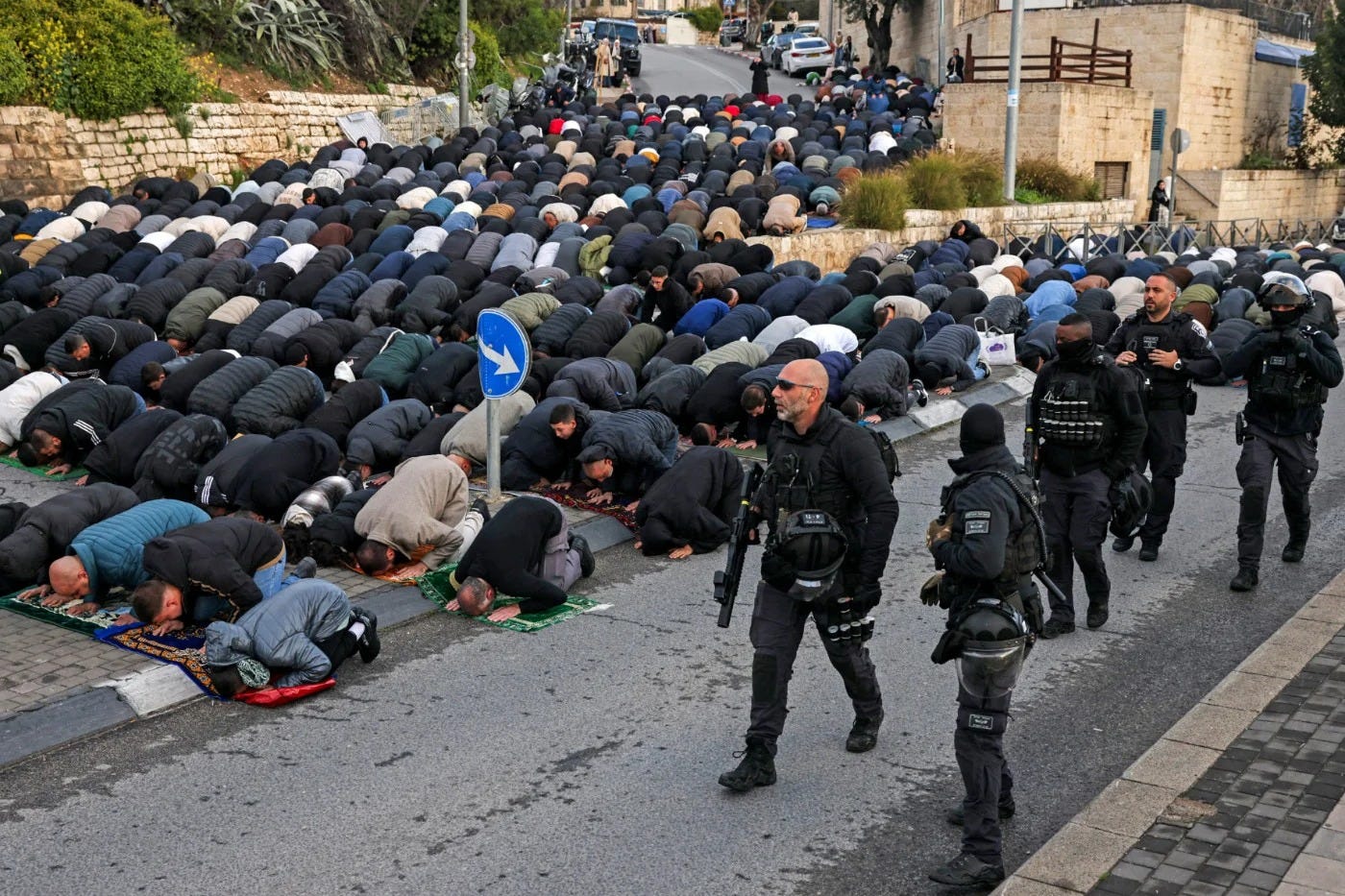
Ramadan is meant to slow the world down. It is a month built on stillness — the hush before dawn, the quiet discipline of fasting, the soft glow of lanterns in the evening.
But this year, for millions of Muslims watching the war on Iran unfold, Ramadan has arrived not as a sanctuary but as a rupture. The sacred month has been forced to coexist with the sound of explosions, the churn of displacement, and the dread of waiting for news from home.
Across Iran, the rituals that normally anchor Ramadan — communal iftars, late‑night prayers, the simple comfort of gathering — have been replaced by the rhythms of survival. Families break their fast in the dark, not by choice but because power lines have been severed. Mosques that once overflowed with worshippers now stand damaged or deserted. The month that should offer spiritual clarity has instead become a measure of loss.
For the Iranian diaspora, the dissonance is just as sharp. In cities from Houston to Toronto to Johannesburg, Muslims are preparing their homes for Ramadan while refreshing news feeds with trembling hands. They speak of a kind of double consciousness: the obligation to honor a sacred tradition, and the impossibility of doing so without thinking of loved ones sheltering under bombardment. Ramadan becomes an act of endurance, a way of holding on to identity when the world feels intent on erasing it.
The political context only deepens the ache. Commentators across the region have noted the moral weight of waging war during Ramadan — a time when restraint is not only spiritual but communal. Yet the global response has been uneven, even muted. Where sacred time is fiercely defended in some conflicts, Ramadan’s sanctity seems negotiable in others. The contrast is not lost on those who feel their grief is treated as geopolitical noise rather than human suffering.
And still, Muslims find ways to reclaim the month. In Iranian households scattered across the world, families light candles for those they cannot reach. In American mosques, imams speak of patience, justice, and the prophetic tradition of standing firm in the face of oppression. In refugee camps, children recite prayers from memory, their voices rising above the hum of generators.
Ramadan has always been a month of reflection, but this year it is also a ledger of what has been taken — and what refuses to be taken. Faith persists. Community persists. The insistence on dignity persists.
In the shadow of war, Ramadan becomes something both heavier and more luminous: a reminder that even in the darkest nights, people will still look for the moon.