

CAIR Condemns Rep. Chip Roy’s Anti-Islam Remarks on House Floor as Islamophobia Cases Hit Record High

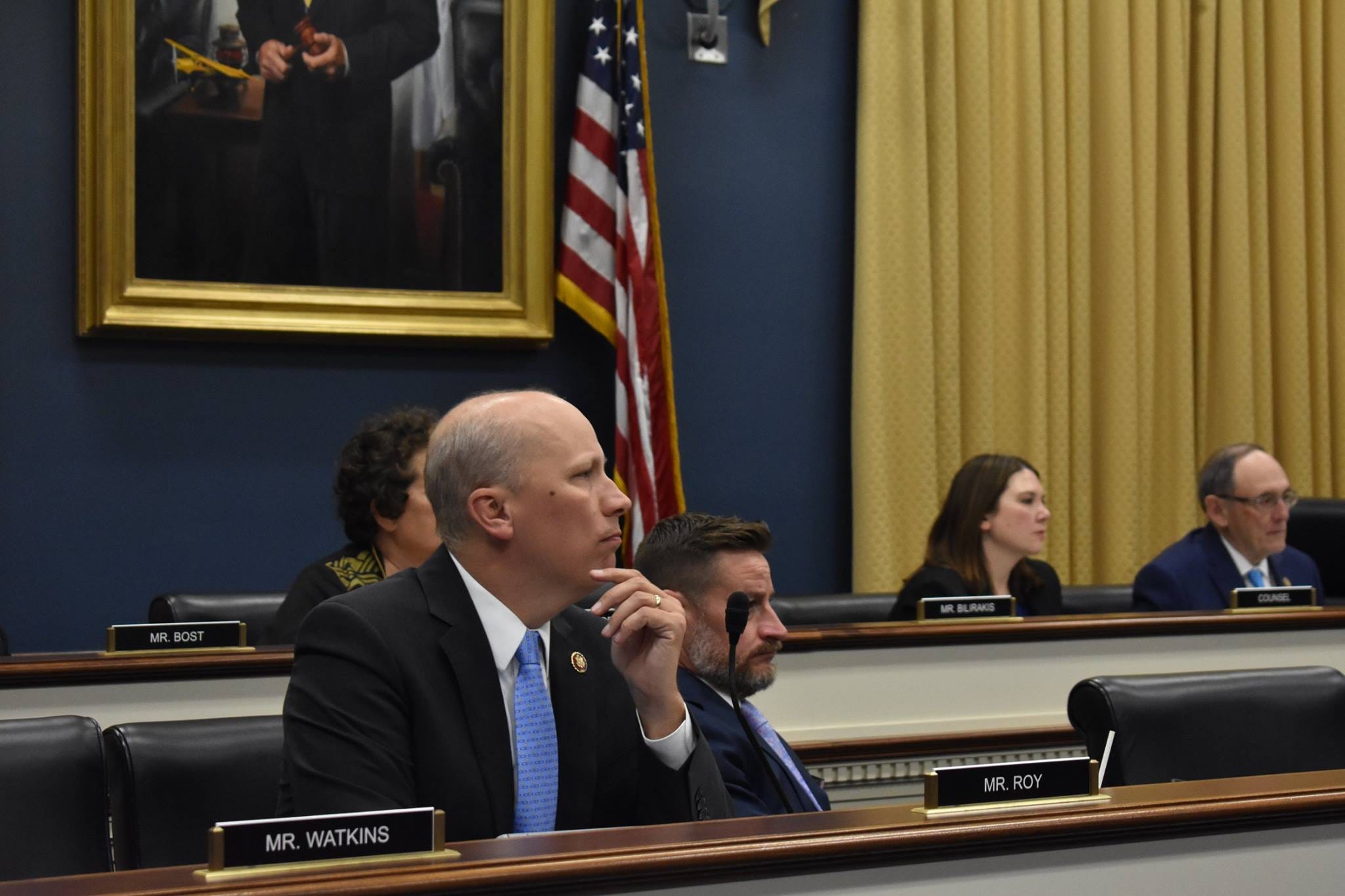
A national Muslim civil rights group has condemned comments by Rep. Chip Roy of Texas after the Republican congressman warned on the U.S. House floor that Sharia law could be “forced upon the American people,” a claim advocates say fuels a dangerous climate of anti-Muslim bias at a time when reported incidents of Islamophobia in the United States are at historic highs. The remarks, delivered during a floor debate in Washington earlier this year, prompted the Council on American-Islamic Relations (CAIR) to add the speech to its “Islamophobia Watch” and accuse Roy of engaging in an “anti-Islam rant” that misrepresents Islamic law and American Muslim communities. The clash underscores growing tensions over political rhetoric about Islam as civil rights organizations warn of a sustained surge in anti-Muslim discrimination nationwide.
Floor Speech Sparks Outcry
During the House remarks, Rep. Roy said he had “strong concerns” about Sharia law and suggested it could be imposed on Americans, linking those fears to broader debates over border security and foreign aid. He framed Sharia as a threat to the U.S. constitutional order, echoing language that Muslim advocacy groups say has long been used to portray Muslims as incompatible with American values. Roy has also backed or promoted proposals aimed at excluding or deporting immigrants described as “Sharia-law adherent,” further entrenching his position on the issue.
CAIR criticized the floor speech as a “blatant example” of Islamophobic rhetoric entering mainstream political discourse, arguing that it conflates extremist violence with the everyday religious practice of millions of Muslims. In a separate briefing memo to Congress on anti-Sharia proposals, CAIR Government Affairs Director Robert S. McCaw said such bills “exist not to solve any real problem, but to sow fear” and undermine religious freedom, comparing attempts to ban Sharia to attempts to restrict Jewish or Catholic religious law.
“These unconstitutional proposals exist not to solve any real problem, but to sow fear – to make Americans talk fearfully about Muslims and their beliefs rather than listen to what Muslims are saying,” CAIR’s Robert S. McCaw stated in a congressional briefing memo opposing anti-Sharia legislation.
Rising Islamophobia in Numbers
Civil rights data indicate that Roy’s comments come amid a broader spike in anti-Muslim incidents across the country. CAIR’s national civil rights report found the group received 8,061 complaints of anti-Muslim bias in 2023, the highest number recorded in 30 years of tracking, with nearly half of those incidents reported after the outbreak of the Israel-Gaza war on October 7, 2023. A follow-up report on 2024 documented more than 8,650 complaints, representing an increase of more than 7 percent over the previous year and setting another record for reported discrimination and Islamophobic incidents.
The complaints span multiple areas of American life. CAIR reported that in 2023, immigration and asylum issues accounted for about 20 percent of cases, employment discrimination 15 percent, education discrimination 8.5 percent, and hate crimes and incidents 7.5 percent. Advocates say these numbers reflect not only physical attacks and vandalism but also verbal harassment, institutional bias, and chilling effects on Muslim participation in civic life.
Advocates Warn of Political Normalization
CAIR and other Muslim organizations argue that statements like Roy’s help normalize Islamophobia by reframing religious prejudice as a legitimate political stance. In an analysis of shifting public discourse, CAIR-Ohio warned that anti-Muslim rhetoric is increasingly treated as “just politics” rather than recognized as discriminatory, a trend the group says risks discouraging Muslim Americans from running for office or engaging fully in public life.
Academic and civil rights research has long documented the impact of such rhetoric. A joint submission by the University of California, Berkeley’s Othering & Belonging Institute and CAIR to the United Nations Human Rights Council recently highlighted how repeated references to Muslims as security threats contribute to restrictions on civil liberties and heightened surveillance of Muslim communities. Researchers also point to public opinion data showing that large segments of the U.S. population continue to hold negative views of Muslims, with political messaging cited as a contributing factor.
Muslim Community Response and Next Steps
In response to Roy’s comments and related legislative proposals, CAIR-Texas said it has sought meetings with the congressman to address what it calls “misconceptions” about Islam and to introduce him to Muslim constituents, including veterans and small business owners, who see their faith as fully compatible with American democratic values. The group has also urged lawmakers from both parties to reject anti-Sharia bills and to affirm protections for religious freedom for all communities.
Advocates say the next phase of the debate will likely unfold both in Congress, where measures targeting “Sharia-adherent” immigrants have already surfaced, and in communities where Muslim organizations are ramping up public education and coalition-building efforts. With anti-Muslim complaints at record levels and high-profile elected officials invoking Sharia as a looming threat, civil rights groups warn that how political leaders respond now will shape whether Islamophobia continues to escalate or begins to recede from mainstream public discourse.