

CPAC Faith Summit: Speakers Target Iran and Global Muslim Issues Through a Security Lens
Several speakers emphasized the importance of supporting Muslim reformers, minority sects, and activists who oppose both authoritarianism and extremism.

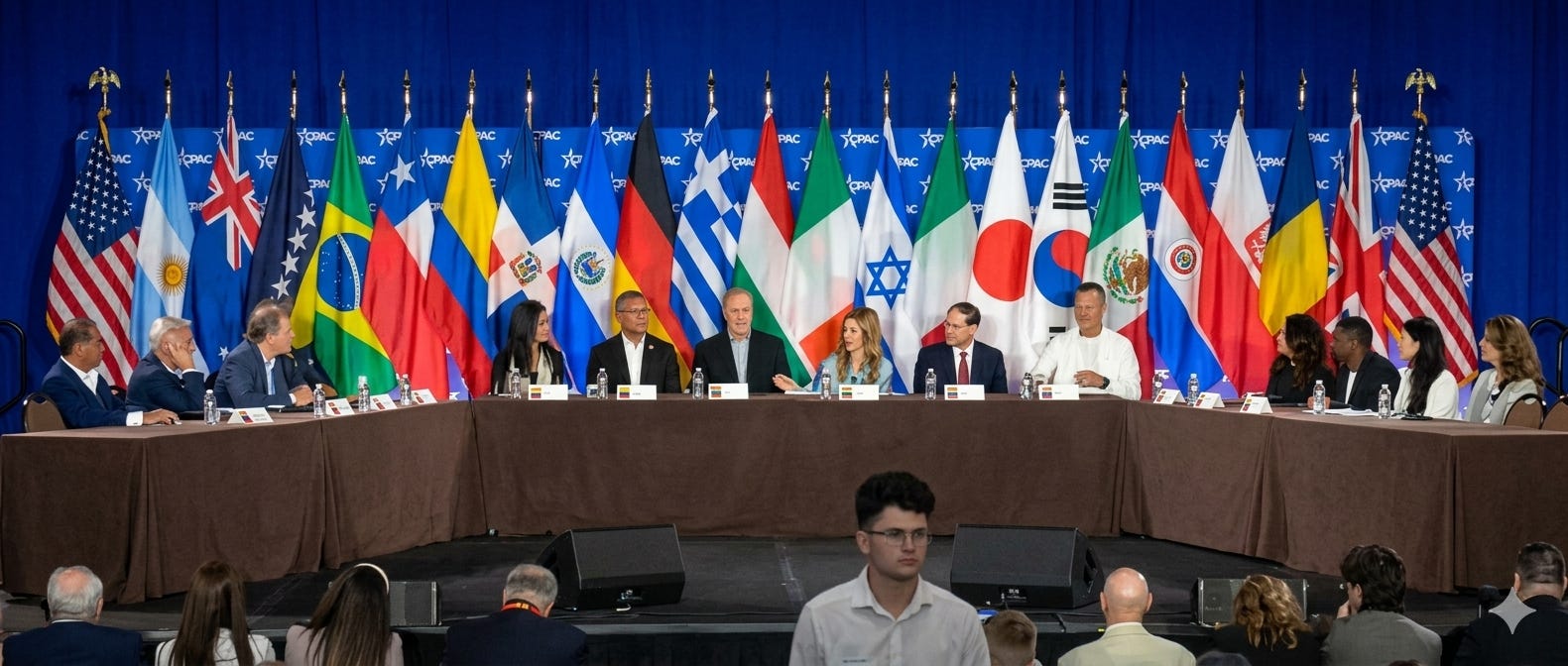
International conservatives call for regime change in Tehran while urging stronger alliances with dissident Muslim communities
The Conservative Political Action Conference’s International Faith Summit turned its attention to Iran and the broader Muslim world on Thursday, with speakers portraying the Islamic Republic as a destabilizing force and calling for coordinated global pressure to support democratic movements inside the country.
Throughout the proceedings, panelists and keynote speakers framed Iran’s clerical leadership as a threat not only to its own citizens but to regional and Western security. Several speakers praised Iranian dissidents, including those advocating for a post‑theocratic government, and urged U.S. and allied policymakers to strengthen ties with exile groups pushing for political transition.
While the summit’s agenda covered a wide range of international religious‑freedom issues, Iran dominated much of the discussion. Speakers highlighted the government’s record of suppressing political opposition, restricting women’s rights, and targeting religious minorities, including Sunni Muslims, Sufi communities, and Baha’is. They argued that these abuses underscored the need for a unified international strategy to isolate Tehran.
Some presenters also broadened the conversation to address challenges facing Muslim communities globally. They drew distinctions between what they described as “authoritarian Islamist regimes” and the everyday lives of Muslims who, they said, are often the first victims of state repression or extremist violence. Several speakers emphasized the importance of supporting Muslim reformers, minority sects, and diaspora activists who oppose both authoritarianism and extremism.
The summit’s tone reflected CPAC’s longstanding alignment with Iranian opposition figures, including exiled activists who advocate for a secular, democratic future. Although the event did not formally endorse any specific faction, speakers repeatedly invoked the courage of protesters inside Iran and urged international audiences to “stand with the Iranian people, not the regime.”
The proceedings come amid renewed global scrutiny of Iran’s domestic crackdowns and its role in regional conflicts. For CPAC’s international delegates, the message was clear: confronting Tehran is central to advancing religious freedom, strengthening global security, and supporting Muslim communities seeking political and personal liberties.