


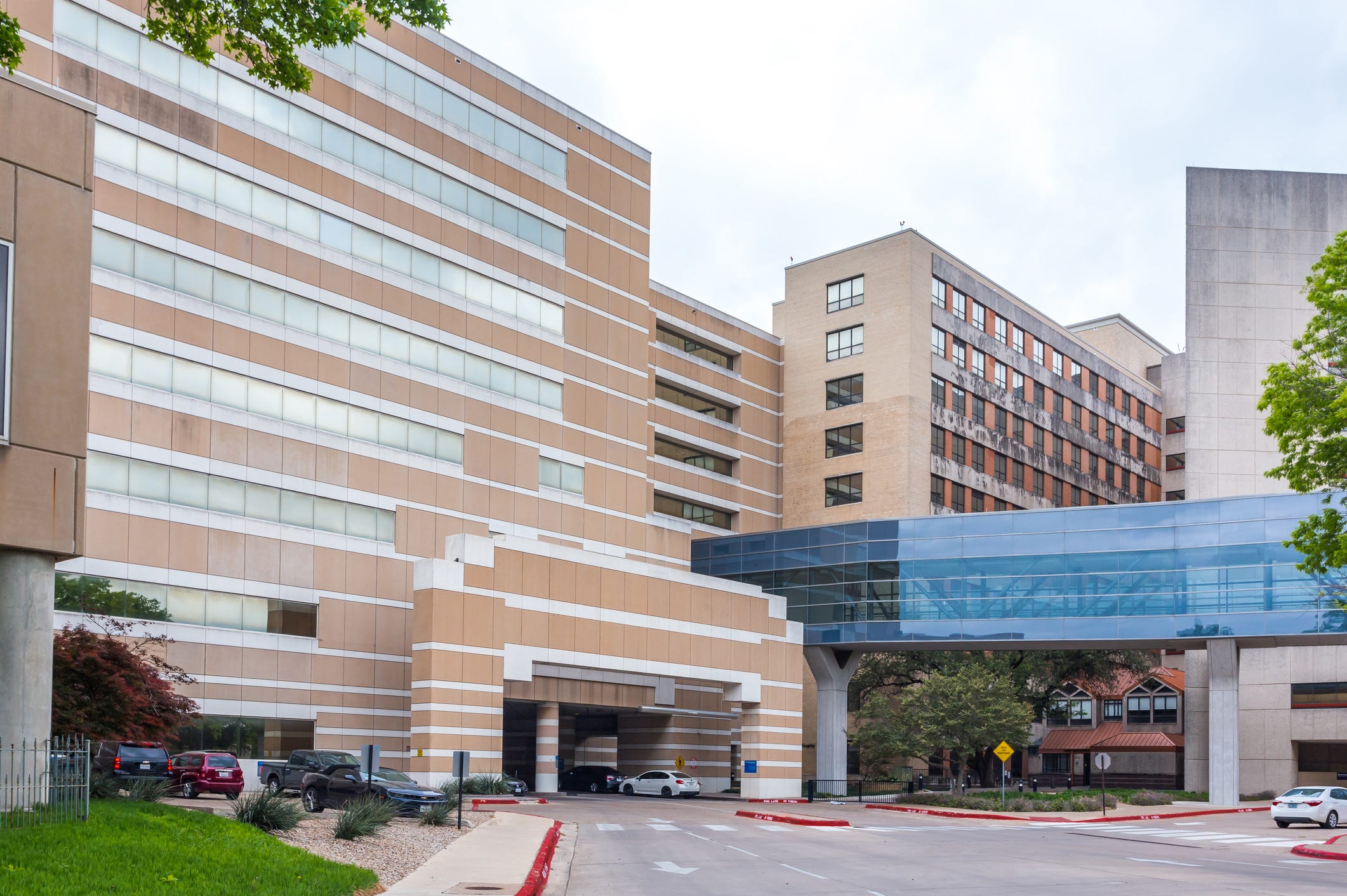
Dallas County has filed a federal lawsuit against the Trump administration, demanding the restoration of $70 million in public health funding that was abruptly terminated last spring. The lawsuit, filed on December 5 in Washington, D.C., argues that the federal government’s decision to reclaim $11.4 billion in unspent pandemic-era grants from states and localities nationwide was unlawful and exceeded the Department of Health and Human Services’ statutory authority.
Following Harris County’s Successful Legal Victory
The Dallas County case has been assigned to U.S. District Judge Christopher Cooper, the same federal judge who ruled in favor of Harris County last summer, ordering the Trump administration to return $20 million in illegally terminated public health funds. According to Harris County Attorney Christian D. Menefee, Judge Cooper determined that “HHS overstepped its authority by cutting funding that Congress had lawfully appropriated and local governments across the country had already begun to implement”. This precedent has emboldened Dallas County officials to pursue their own legal remedy rather than waiting for state officials to act on their behalf.
Devastating Impact on Local Public Health Operations
The sudden funding termination forced Dallas County’s public health department to lay off nearly two dozen employees and jeopardized critical health infrastructure projects. The county had been using federal grants to equip a new $52 million biolaboratory designed to support enhanced testing for pathogens and prepare for future public health emergencies, according to reporting by The Texas Tribune. “The funding, which Dallas County received through new grant programs during the COVID-19 pandemic, was not limited to the duration of the pandemic and was generally expected to address the effects of the pandemic and prepare Dallas County for future public health crises,” the lawsuit states.
Nationwide Coalition Challenges Federal Overreach
Dallas County’s legal action is part of a broader resistance movement against the funding clawback. In April 2025, a coalition of 23 states led by Democratic governors and attorneys general, including New York’s Letitia James and Colorado’s Phil Weiser, filed suit in federal court in Rhode Island. U.S. District Judge Mary S. McElroy granted a preliminary injunction in May, ruling that “HHS’ public health funding decision usurped Congress’s power to control these public health appropriations”. Texas notably declined to join the multi-state lawsuit despite losing an estimated $700 million in federal funding.
Real-World Consequences During Health Crises
The timing of the funding cuts proved particularly problematic as Texas grappled with a serious measles outbreak in West Texas. In Lubbock, where dozens of Texans were hospitalized with measles—including a 6-year-old girl who died—the terminated grants had been paying for epidemiologists, temporary staff, and vaccination programs directly responding to the outbreak. “It’s kind of crazy to have this funding cut,” Lubbock Public Health Director Katherine Wells told The Texas Tribune. The grants, some of which weren’t set to expire until 2026, had enabled local health departments to hire additional personnel and expand disease surveillance capabilities.
Administration’s Justification Meets Legal Challenge
The Trump administration defended its decision by stating that “COVID-19 is over” and that HHS was “no longer spending billions of dollars responding to a non-existent pandemic,” prioritizing instead projects aligned with President Trump’s “Make America Healthy Again” initiative. However, Dallas County’s lawsuit directly contests this reasoning, arguing that the federal government’s justification “is based on factors that Congress did not intend Defendants to consider and improperly assumes without support that the funds were only intended for pandemic-related use”.
Legal Uncertainty and Future Implications
The coordinated legal actions by Dallas County, Harris County, and the 23-state coalition signal that local governments are unwilling to accept what they view as federal overreach that undermines congressional appropriations. Harris County Attorney Menefee emphasized that “local governments can’t plan or protect residents when federal agencies pull the rug out from under them without legal authority”. As Dallas County’s case proceeds before Judge Cooper, public health departments across the nation are watching closely to see whether courts will continue to block the administration’s unprecedented attempt to rescind billions in congressionally approved funding. The outcome could determine whether local communities maintain the resources needed for disease surveillance, immunization programs, and emergency preparedness—or face further cuts to essential public health infrastructure.