


Debunking Claims About “Sharia Law” in Texas Politics and Common Misconceptions
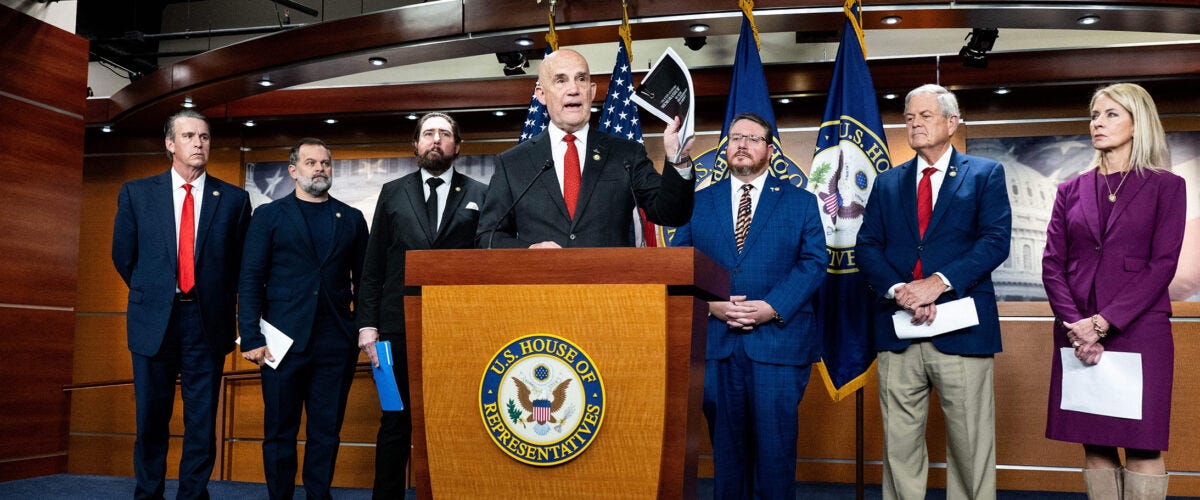
Recently, several Republican figures in Texas, including Keith Self, Chip Roy, John Cornyn, Brandon Gill and Ken Paxton, have raised alarms about the alleged threat of “Sharia law” to the United States. Some have even pointed to England as a cautionary example of what could happen if this supposed threat goes unchecked. However, a closer examination of these claims reveals a significant disconnect between the rhetoric and the realities of legal and religious practices.
What Drives These Claims?
Understanding the motives behind these claims is essential to grasping the broader context. Politicians exploit fears surrounding immigration, cultural change, and national identity to rally their voter base. By creating a narrative around “Sharia law,” they can position themselves as defenders of American values, appealing to those concerned about the perceived influence of Islam on American society. This strategy can elevate their political profiles and strengthen party loyalty, especially in a climate where fear of the “other” can drive voter turnout.
What Does “Sharia” Really Mean?
The term “Sharia” is often misrepresented as a rigid, monolithic legal code. In truth, it encompasses a wide-ranging religious framework within Islam that guides personal beliefs and practices. Interpretations of Sharia vary significantly, and for most American Muslims.
Claim 1: Sharia Is Replacing U.S. Law
Some politicians contend that Sharia could somehow supersede the American legal system.
The Truth: This claim is unfounded. The U.S. Constitution is the supreme law of the land, meaning that no religious system, be it Islamic, Christian, or any other, can be enforced if it contradicts constitutional rights. Religious principles can be applied only in a limited and voluntary context, and they must always comply with U.S. law. There is no evidence to suggest that Sharia is replacing American law anywhere in the country.
Claim 2: Muslim Communities Are Creating “Sharia Enclaves”
Some statements suggest that places like the East Plano Islamic Center (EPIC) are functioning as separate legal systems.
The Truth: This is a misconception. Mosques and Islamic centers do not have legal authority and cannot enforce laws. They operate much like any other place of worship, offering services such as religious education, charity, and community support, similar to churches and synagogues throughout the U.S.
Claim 3: Concerns About “EPIC City”
In a speech on the House floor in March 2026, Keith Self expressed worries about the concept of “EPIC City,” associated with the East Plano Islamic Center. He raised concerns about financial systems like interest-free loans, free clinics, and social services, suggesting they are somehow separate or incompatible with American norms.
The Truth: Interest-free financing is a legal financial model, known as Islamic finance, and is not inherently incompatible with U.S. laws. Such models exist in various communities and even in mainstream banking. Additionally, free clinics and mutual aid efforts are commonplace among many religious and community organizations, not just Islamic ones. Claims regarding missing or isolated Muslim women have not been substantiated by credible evidence, and law enforcement has not identified any concerning patterns associated with EPIC.
Claim 4: England’s “Sharia Takeover”
Some claims indicate that England is experiencing a shift toward Sharia law taking over national law.
The Truth: England does not implement Sharia law within its legal framework. The laws there are established by Parliament and enforced by state courts. While Sharia councils exist, they operate as voluntary religious bodies addressing personal matters like divorce, without any legal authority to override existing British law. The UK government maintains full control of its legal system.
Claim 5: Religious Arbitration Is Unique to Islam
Some narratives suggest that arbitration practices based on Sharia represent a foreign intrusion into the U.S. legal system.
The Truth: In reality, religious arbitration is a common practice across various faiths in the United States. For example, Jewish communities may use beth din courts for resolving disputes based on Jewish law. These systems are voluntary and their decisions are enforceable only if they align with U.S. law. This is similar to Islamic arbitration practices, which also operate within the same legal framework.
Why Do These Claims Persist?
Experts explain that narratives surrounding Sharia often surface during political debates about immigration and national identity. By referencing England or local institutions, these claims can:
Intensify fears around cultural shifts
Mistakenly conflate religious observance with legal power
Overlook the complexities of these issues
The Bottom Line
The U.S. Constitution safeguards against any religious law superseding U.S. law.
Organizations like the East Plano Islamic Center act as standard religious institutions.
Allegations about “EPIC City” and related concerns lack verified evidence.
England/Europe does not operate under Sharia law.
Different religious arbitration systems exist across faiths and are fully subject to U.S. law.
By carefully evaluating legal frameworks and the evidence available, it becomes clear that a significant gap exists between political discourse and reality. Recognizing this distinction is crucial for fostering informed public dialogue.
This is one of the best summaries and rebuttals of this issue I've read to date.
Jazaakum Allaahu Khayran