

“Despite Political Heat, Texas Muslim Youth Will End Ramadan with Renewed Resolve”
“They Fasted Through the Noise” Pushing Back Against Exclusion and Alienation with Dignity and Hope, answering Hostility with Grace, Animosity with Faith

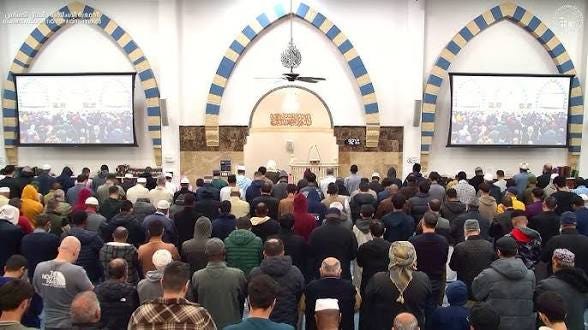
As Ramadan comes to an end, young Muslims across Texas are marking the close of a month defined by fasting, reflection, and community. But this year, the final days of the holy month carry a deeper resonance — a quiet, steady optimism forged in the shadow of political rhetoric that has too often cast them as outsiders in the very state they call home.
For months, Texas politicians have sharpened their focus on Islam, turning Muslim identity into a talking point rather than a lived reality. The result has been predictable: students questioned in classrooms, youth organizations scrutinized, and entire communities made to feel suspect. Yet in these last days of Ramadan, when lanterns still glow in mosque courtyards and the echoes of shared iftars linger, what emerges is something far more powerful than fear.
You encounter dignity.
These teenagers and college students have grown up in a Texas that is far more diverse, interconnected, and curious than the one imagined in political speeches. They sit next to classmates who celebrate Diwali, Lunar New Year, and Easter. They volunteer at food banks, tutor younger students, and run student councils. They are as Texan as Friday night football and as American as the Constitution that promises them equal belonging.
And they are tired — not defeated, but tired — of being spoken about rather than spoken to.
Yet as Ramadan draws to a close, they are choosing a different response. Not retreat. Not resentment. But a kind of grounded hope shaped by thirty days of discipline, generosity, and self-restraint — a hope that refuses to let political noise drown out the truth of who they are.
In schools where they have faced exclusion, they spent the month inviting teachers to learn about fasting. In neighborhoods where suspicion has grown, they opened their mosques for community dinners. In a climate where their faith is distorted for political gain, they responded with clarity, compassion, and connection.
This is not naïveté. It is courage.
It takes courage for a 16‑year‑old to explain her hijab to a classroom primed to misunderstand it. It takes courage for a young man to keep showing up to school board meetings where his community is framed as a threat. It takes courage to celebrate publicly when celebration itself has become politicized.
And throughout Ramadan, they did.
Because Ramadan, at its heart, is about returning to what is essential: humility, generosity, and the belief that light is most visible in darkness. As the month ends, these young Muslims leave behind an example of what it looks like to live those values with consistency and grace — an example that should make the rest of Texas pause.
The question is not whether they belong. They do — fully, historically, and unequivocally. The question is whether Texas will choose to see them as they see themselves: not as symbols in a culture war, but as young people striving to build a future rooted in dignity.
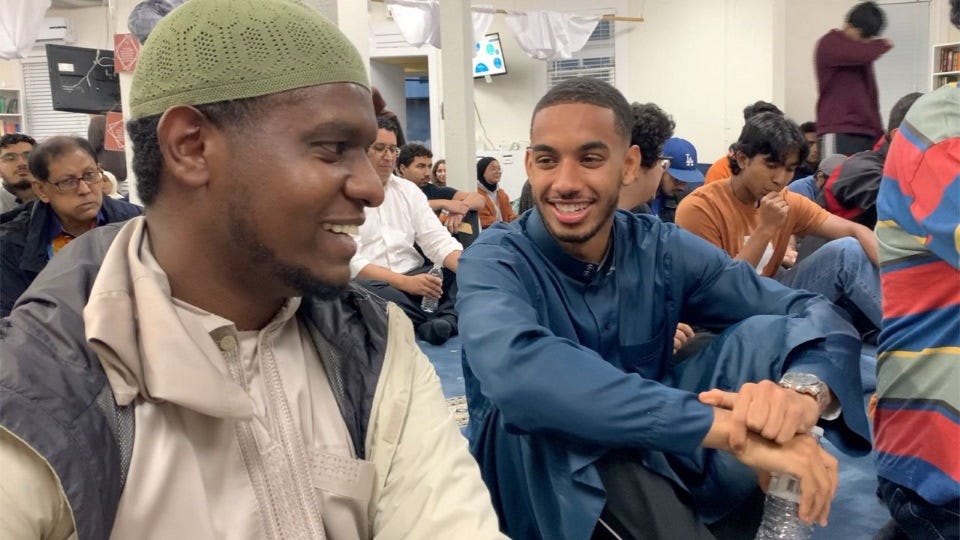
As the final fasts are broken and the last Ramadan prayers are whispered into the warm Texas night, these young Muslims offer the state a gift it desperately needs: a reminder that hope is not passive. It is practiced. It is chosen. It is lived.
And as Ramadan draws closer to an end, they carry that hope forward — not because the world around them has suddenly grown easier, but because their faith has taught them that resilience itself is an act of worship.
Texas would do well to learn from their example
Edwin Naidu is the Managing Editor of Context-Corner. Share your Ramadan stories of hope with us via email: editor@context-corner.com