

EPIC City Hearings Set for Eid Day, Sparks Questions of Fairness
March 20 meeting in Plano on one of the most important days in the Islamic calendar raises concerns across the Muslim community

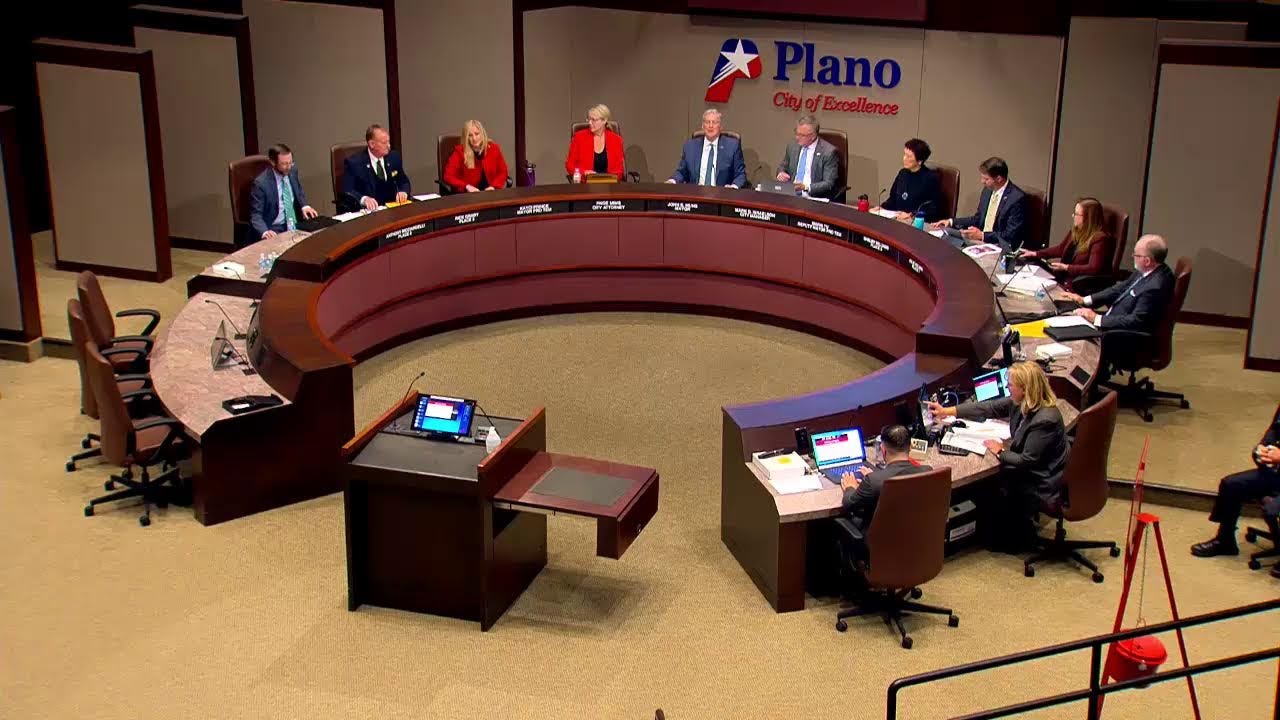
Why would a critical public hearing be scheduled on one of the most important religious days for a community already under intense scrutiny?
As Muslims across North Texas prepare to celebrate Eid al-Fitr on March 20, the City of Plano has scheduled a public hearing on the highly debated EPIC City project—a development that has already drawn multiple state investigations, political opposition, and widespread public attention.
For many, the timing raises a deeper question: is this simply a scheduling decision, or does it reflect a broader pattern in how this project—and the community behind it—is being treated?
As DFW Muslims gather for Eid prayers to mark the end of Ramadan this weekend, the EPIC City controversy remains a reminder that civic processes do not unfold in a vacuum — they unfold in a political landscape where timing, perception, and identity are inseparable.
Eid al‑Fitr celebrations across DFW will take place this weekend just as Collin County’s public scrutiny of the proposed EPIC City development once again is on the agenda, with a public hearing on 20 March at 1pm.
March 20 has been declared as Eid Day for the DFW region. To some observers, it is like hosting a council meeting on Christmas Day, observing the birth of Jesus.
The most recent public hearing — held on Monday, March 31, 2025 — was scheduled as part of the Commissioners Court’s regular Monday meeting cycle, not in relation to any religious calendar.
The date appeared on the county agenda in advance, consistent with how all development‑related items are handled.
Still, in 2025, the proximity to Ramadan, which began days after the hearing, has raised questions among some Muslim residents about whether the timing was purely procedural.
There was no evidence that county officials selected the date with Ramadan in mind. The hearing was placed on the docket in the same manner as other land‑use discussions, and officials repeatedly emphasised that no formal application for EPIC City had even been submitted at the time.
Yet the context matters. EPIC City — a Muslim‑led development project — has become a lightning rod for political rhetoric, state‑level investigations, and community anxiety.
Holding a high‑stakes public hearing so close to Ramadan inevitably shaped how the process was perceived, especially in a climate where Muslim institutions in Texas face heightened scrutiny and misinformation. Even routine scheduling can take on symbolic weight when the subject is already politically charged.
In the end, the timing appears to be coincidental, not orchestrated. But the fact that the question is being asked at all speaks to the broader environment in which Muslim‑led projects are debated in North Texas.