

Explainer: Why the Islamabad Talks Matter — and What They Reveal About Shifting Power
A policy analysis of the strategic stakes, negotiating positions, and geopolitical realignments shaping the US–Iran dialogue in Pakistan

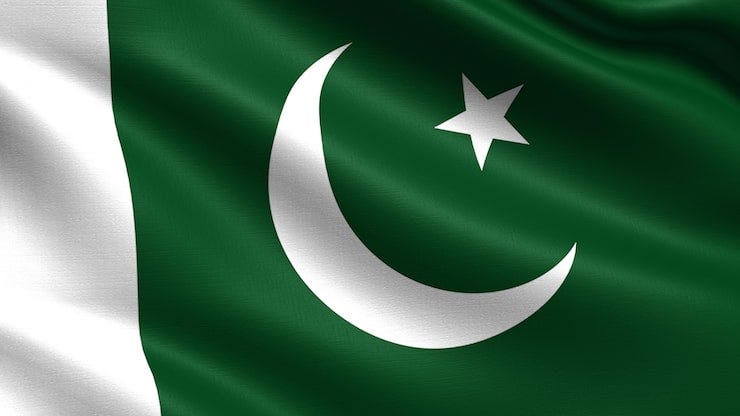
The Islamabad negotiations come six weeks after coordinated US–Israel strikes on Iran that killed Ayatollah Ali Khamenei and triggered a multi‑front regional war. The conflict has:
Shut down or severely restricted the Strait of Hormuz, through which 20% of global oil normally flows.
Driven energy prices to record highs and rattled global markets.
Sparked simultaneous fighting in Lebanon, Israel, and the Gulf.
A Pakistan‑mediated two‑week ceasefire is in place but already under strain due to conflicting interpretations of its terms.
For policymakers, this is not simply a bilateral dispute — it is a crisis affecting global energy security, maritime law, and the balance of power in the Middle East.
Who Is at the Table — and Why It Matters
The delegations are unusually senior:
United States: Vice President JD Vance leads the team, joined by senior envoys.
Iran: Parliamentary Speaker Mohammad Baqer Qalibaf heads Tehran’s delegation.
Pakistan: Prime Minister Shehbaz Sharif is mediating trilateral sessions.
This configuration signals:
Washington’s recognition that the conflict is spiralling beyond military containment.
Tehran’s belief that it has leverage, especially over the Strait of Hormuz.
Islamabad’s emergence as a middle‑power broker is enabled by personal diplomatic relationships and geographic positioning.
The Core Issues on the Table
a) The Strait of Hormuz — the central fault line
Iran wants:
Recognition of its authority over the waterway
The right to charge transit fees
Limits on US naval activity
The US wants:
Full reopening of the strait
No Iranian tolls or restrictions
Freedom of navigation for oil tankers
This is the single most contentious issue, with both sides “very far apart.”
b) Lebanon and the regional battlefield
Iran insists the ceasefire must include a halt to Israeli strikes in Lebanon.
The US and Israel reject this linkage.
c) Sanctions and frozen assets
Tehran demands the release of frozen funds and sanctions relief.
Washington denies having agreed to this and frames any relief as contingent on nuclear and missile concessions.
d) Nuclear and missile programs
Iran wants freedom to continue enrichment.
Trump has declared this “not up for negotiation.”
e) US military presence
Iran wants a withdrawal commitment.
The US insists forces will remain until a deal is reached.
Global Economic Stakes
The war has already:
Pushed oil cargo prices above $140 per barrel as refiners scramble for supply.
Triggered refinery slowdowns in Europe and Asia.
Created fears of a 1 percentage point hit to global growth if conflict continues.
For policymakers, the talks are as much about economic stabilization as conflict de‑escalation.
What These Talks Reveal About Shifting Power Dynamics
Pakistan as a pivotal mediator
Islamabad has positioned itself as the only actor trusted enough — or neutral enough — to host both delegations. This reflects a broader trend: middle powers stepping into diplomatic vacuums left by great‑power fatigue.
Iran’s confidence
Tehran believes it has already “won” strategically by:
Surviving the initial US–Israel strikes
Leveraging Hormuz to exert global pressure
Maintaining influence in Lebanon and the Gulf
This shapes its hardline negotiating posture.
US strategic recalibration
Washington is balancing:
The need to reopen Hormuz
The desire to avoid a wider regional war
Domestic political pressure to appear tough
This produces a dual message: openness to talks, but threats of escalation if diplomacy fails.
What to Watch Next — Key Indicators for Policymakers
Whether the US and Iran agree on a phased reopening of Hormuz
If Lebanon becomes a formal part of the ceasefire framework
Signals of sanctions flexibility from Washington
Iran’s willingness to discuss nuclear or missile limits
Pakistan’s ability to maintain momentum as a mediator.
Any movement on these fronts would indicate a shift from crisis management to genuine de‑escalation.