

Faith, Family, and Solidarity: Muslim in Texas Prepare for Eid Amid Calls for Unity
Texas mosques blend spiritual devotion with calls for compassion, resilience, and community strength

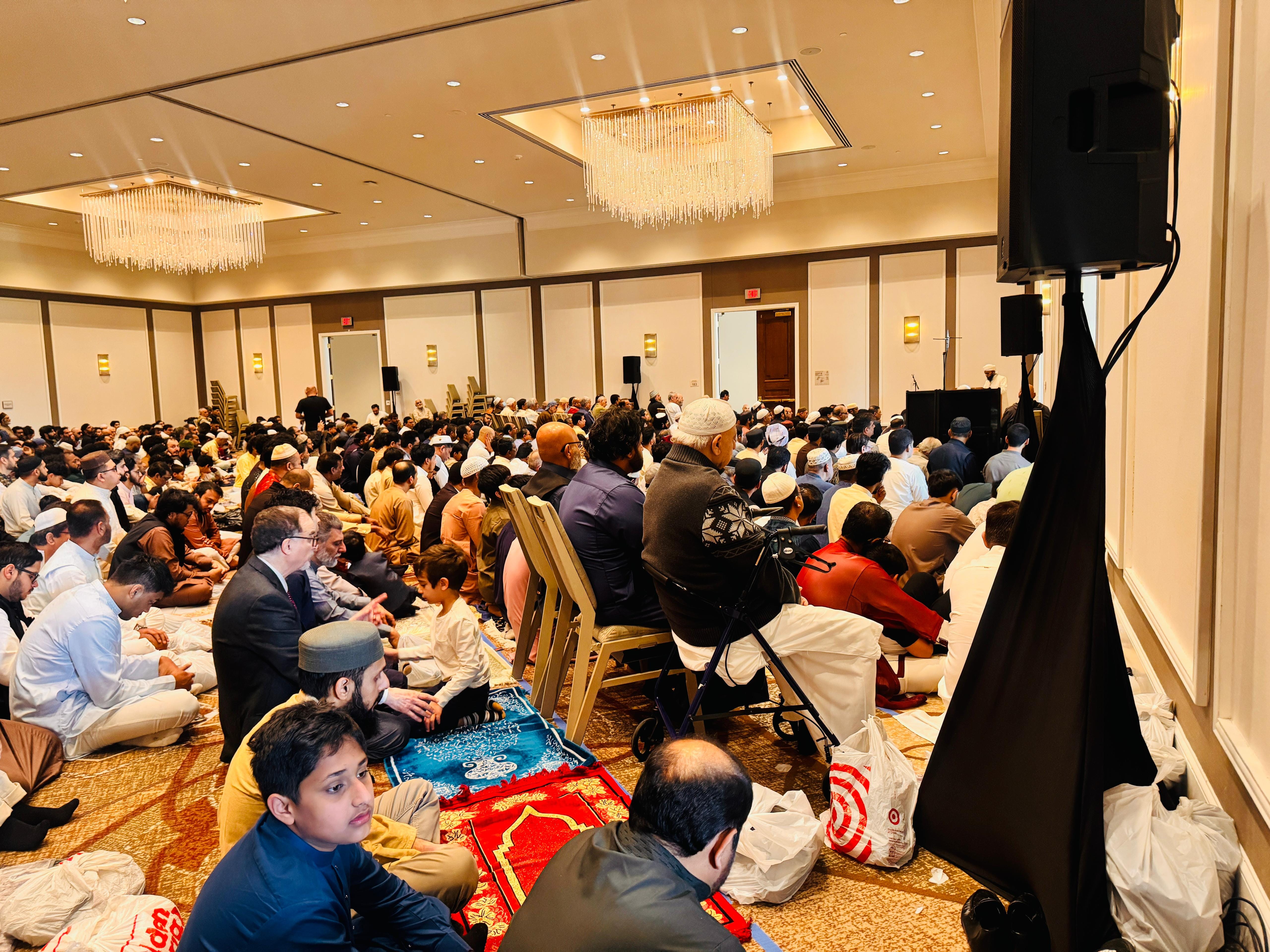
As Muslim communities across Texas prepare to mark Eid, imams and civic leaders are delivering messages that blend spiritual reflection with a renewed call for unity, compassion, and resilience. From Houston’s sprawling congregations to intimate community gatherings in Dallas–Fort Worth, this year’s Eid messages highlight both the holiday's timeless rituals and the contemporary challenges facing Muslim Texans.
In mosques across the state, imams have centered their pre‑Eid sermons on the story of Prophet Ibrahim (AS) and his son Ismail (AS), whose willingness to submit to God’s command forms the spiritual foundation of Eid al‑Adha.
At Dallas‑area mosques including Madina Masjid, Makkah Masjid Zia‑Quran, Momin Center, and Dar Hussain, religious leaders such as Allama Babar Rahmani and Siraj Misbahi have urged worshippers to reflect deeply on the themes of sacrifice, obedience, and moral clarity.
“The lesson of Ibrahim is not only about sacrifice,” one imam told congregants during a recent sermon. “It is about trust—trust in God, trust in purpose, and trust in the values that hold our families and communities together.”
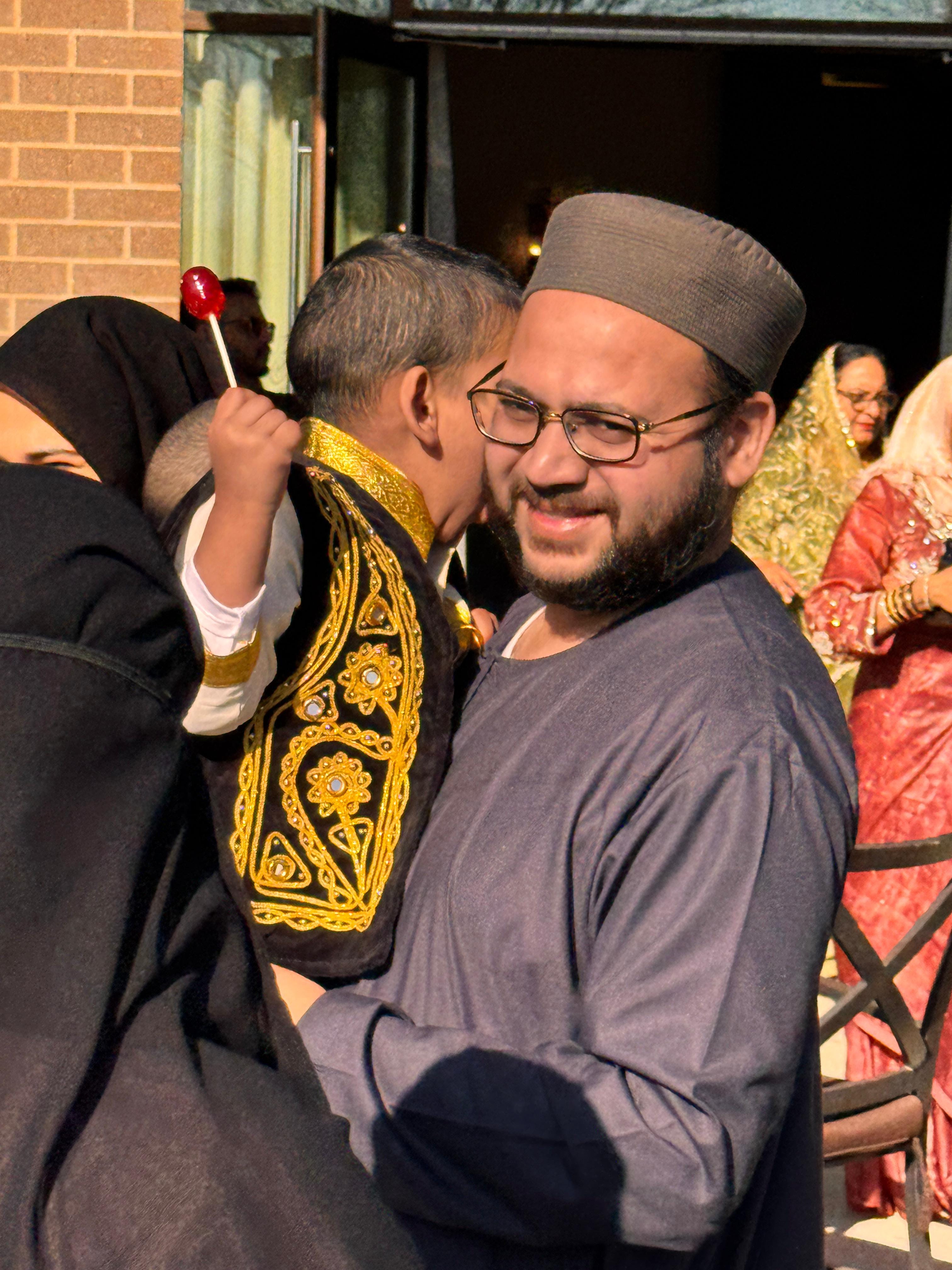
Across Texas, that message has resonated strongly. Families are preparing for the traditional qurbani, the ritual sacrifice of an animal, with many planning to gather at local farms or community centers. In Houston, where Eid celebrations often draw some of the largest crowds in the state, mosques are coordinating early‑morning prayers, community breakfasts, and charity drives to support families in need.
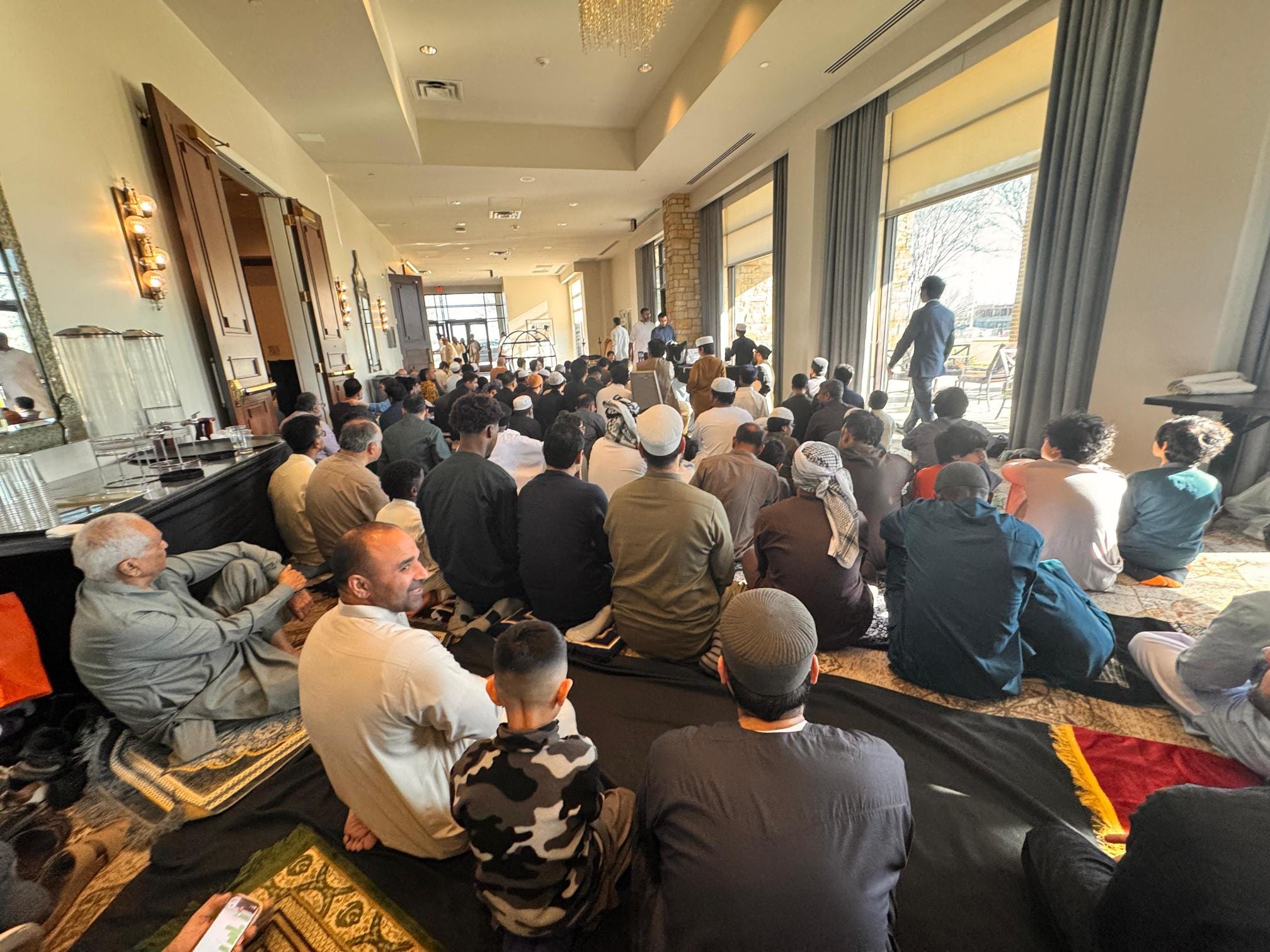
Beyond the rituals, imams have emphasized the importance of strengthening family bonds—an especially poignant theme in a year marked by economic pressures, political polarization, and rising concerns about social cohesion. Many mosques have encouraged congregants to visit cemeteries to pray for loved ones, a practice that has become a meaningful part of Eid observance for many Texas families.
“Eid is a time to reconnect—with God, with family, and with the community,” said another Dallas imam. “It is a reminder that our strength lies in compassion and in standing together.”
That call for unity has been echoed—though more selectively—by Texas civic leaders. While not all elected officials issue formal Eid greetings, those who have spoken publicly in recent weeks have emphasized the importance of religious freedom, diversity, and mutual respect. Their messages come at a time when Muslim advocacy groups have raised concerns about rising anti‑Muslim rhetoric and the need for stronger public solidarity.
Community organizations in Houston and Dallas have noted an uptick in interfaith engagement ahead of Eid, with churches, synagogues, and civic groups extending greetings and participating in community events. These gestures, leaders say, help reinforce the message that Texas’ Muslim communities are an integral part of the state’s social and cultural fabric.
“Texas is home to one of the most diverse Muslim populations in the country,” said a representative from a Houston‑based civic organization. “Eid is not only a religious celebration—it is a moment that showcases the contributions, resilience, and unity of our communities.”
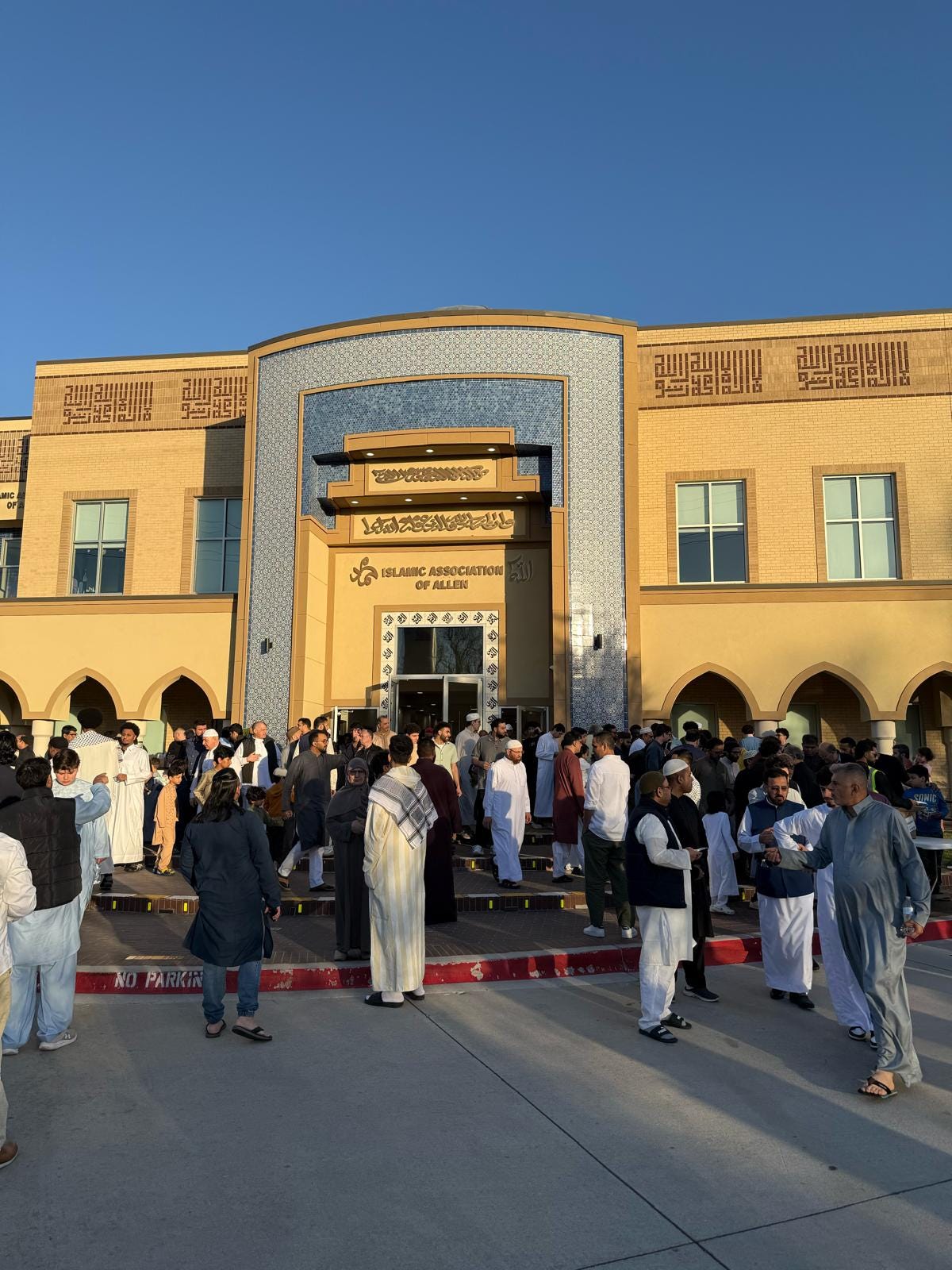
For many families, this year’s Eid preparations have also taken on a practical dimension. Rising costs of living have prompted mosques and charities to expand their support programs, ensuring that families can participate fully in the holiday. Food distribution drives, clothing donations, and community‑funded qurbani programs have been organized across the state, reflecting the holiday’s emphasis on generosity and care for the vulnerable.
In cities like Austin and San Antonio, smaller but growing Muslim communities are planning outdoor celebrations, cultural showcases, and family‑friendly events designed to bring together people from diverse backgrounds. These gatherings, organizers say, help foster a sense of belonging and visibility for communities that are still building their institutional footprint.
Despite the challenges of the moment, the mood across Texas remains one of optimism and spiritual renewal. As families prepare their homes, children rehearse Eid songs, and volunteers coordinate logistics for early‑morning prayers, the message from imams and community leaders is clear: Eid is a time to reaffirm faith, strengthen relationships, and embrace the values that bind communities together.
In a state as vast and varied as Texas, Eid celebrations may look different from one city to the next. But the core themes—gratitude, sacrifice, compassion, and unity—remain constant. As the holiday approaches, Muslim Texans are preparing not only for prayer and celebration, but for a renewed commitment to the principles that define their faith and their place in the broader Texas community.