


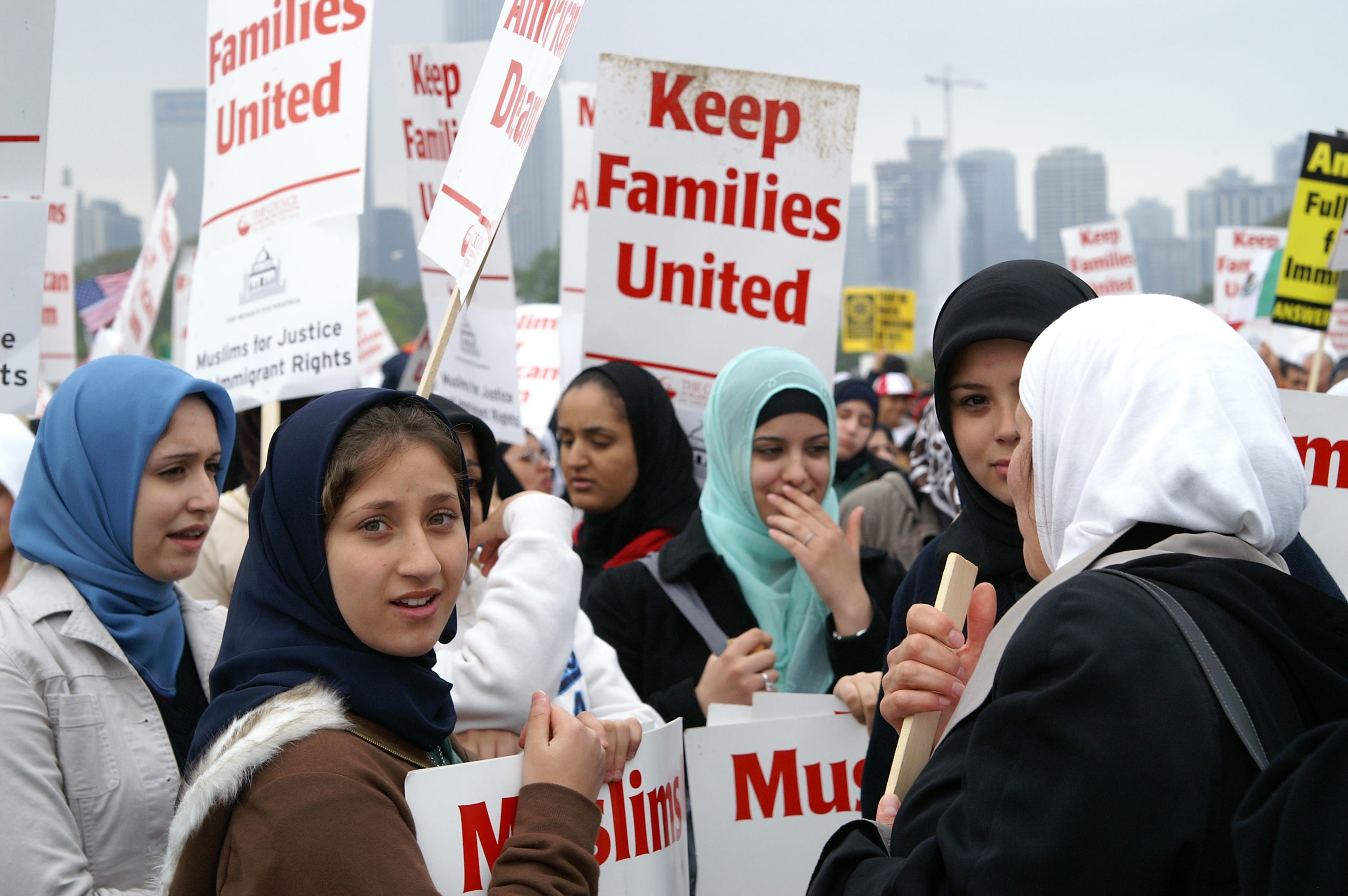
The Trump administration faces opposition from Muslim community leaders and immigrant advocates throughout the United States because they view the green card review of 19 “countries of concern” as discriminatory and Muslim-targeting. The U.S. Citizenship and Immigration Services (USCIS) Director Joseph Edlow issued the directive on November 27, 2025, to review all green card holders from 19 designated countries following a White House shooting incident involving an Afghan national. The policy has sparked concerns about national security procedures and the protection of legal permanent residents, who number in the millions.
Unprecedented Policy Triggers Community Backlash
USCIS began a thorough review of all green cards issued to people from specific countries after President Donald Trump issued the order. The administration initiated this review, citing security risks and a high number of visa overstays, but did not explain what actions would be taken against green card holders.
Edlow conducted a thorough evaluation of all Green Cards held by individuals who originated from high-security-risk countries. The previous administration’s unregulated immigration policies will not be allowed to harm American citizens. The immigration policy announcement triggered mass panic among New York City residents who saw it as an attack on their security and their right to stay in the country. The policy targets immigrant families, according to Yamina Kezadri from Halal Food Connections, because she works at a nonprofit that provides food assistance to immigrant families. The current immigration enforcement activities have reached a level of fear that is driving residents away from essential services.
Policy Emerges Following National Guard Shooting
The green card review was announced days after a November 26, 2025, shooting incident near the White House in Washington, D.C., where two National Guard members were wounded. Federal authorities identified the suspect as Rahmanullah Lakanwal, an Afghan citizen who entered the United States through Operation Allies Welcome during the September 2021 mass evacuation program following the Taliban takeover.
President Trump called the incident “an act of evil and an act of hatred and an act of terror” and characterized it as “the single greatest national security threat facing our nation”. In remarks at his Mar-a-Lago estate, Trump vowed to “reexamine every single alien who has entered our country from Afghanistan under Biden, and we must take all necessary measures to ensure the removal of any alien from any country who does not belong here, or add benefit to our country,” according to Yahoo News.
Within hours of Trump’s statement, USCIS halted processing of all immigration requests relating to Afghan nationals indefinitely. At the same time, security and vetting procedures are reviewed, affecting approximately 200,000 Afghans who have come to the U.S. since 2021 through various programs. The BBC confirmed that the pause affects Afghans with pending asylum or green card applications, as well as those seeking other benefits, leaving many in legal limbo.
Pattern of Targeting Raises Civil Rights Concerns
The policy faces opposition from immigration advocates and legal experts who see it as part of the Trump administration’s efforts to target Muslim and pro-Palestinian activists. The Texas Muslim community leader, Marwan Marouf, received an immediate ICE arrest after his green card application was denied on September 22, 2025. The Muslim Legal Fund of America, which has been defending Marouf since 2018, plans to fight both his detention and green card denial through immigration and federal court proceedings.
The Palestinian permanent resident, Mahmoud Khalil, who was a Columbia University graduate student, faced ICE removal of his student visa and green card in March 2025, without any criminal behavior, according to his legal representation. The immigration judge ordered Khalil’s deportation in September 2025 because he allegedly provided false information about his pro-Palestinian group affiliations during his green card application process.
The new policy creates difficulties for the government, according to immigration lawyer David Stoller, who spoke with PIX11 News. The individuals I have met show no signs of being dangerous, like the D.C. shooter, who stated while asking about the extent of knowledge that can be obtained.
Millions Face Uncertainty as Implementation Details Remain Unclear
The new directive potentially affects millions of green card holders and permanent residents from designated countries, who could face scrutiny even if they have lived in the United States for years. Community organizations across New York City’s five boroughs anticipate a surge in inquiries from immigrants seeking legal assistance in the coming days.
Critics warn that the policy may revive stigmatization of immigrant communities and derail long-established families’ residency statuses without transparent criteria or due process protections. Advocates from the National Iranian American Council and other civil rights organizations argue the policy violates federal laws prohibiting discrimination based on national origin. “Subjecting applicants for an immigration benefit to an appropriately tailored review is appropriate. However, considering national origin to be a major negative factor is both unwarranted - as national origin is not tied to any credible security risk - and unlawful as an expression of national origin discrimination,” stated NIAC President Jamal Abdi in a letter to the Department of Homeland Security.
President Trump further escalated concerns on November 28 when he indicated his intention to implement a “permanent pause” on immigration from what he described as “Third World countries.” However, the White House has yet to specify which nations would be included in such a ban. The combined directives point toward an unprecedented federal examination of immigrants and green card holders from developing countries, creating widespread anxiety among affected communities who already feel subjected to increased scrutiny.