


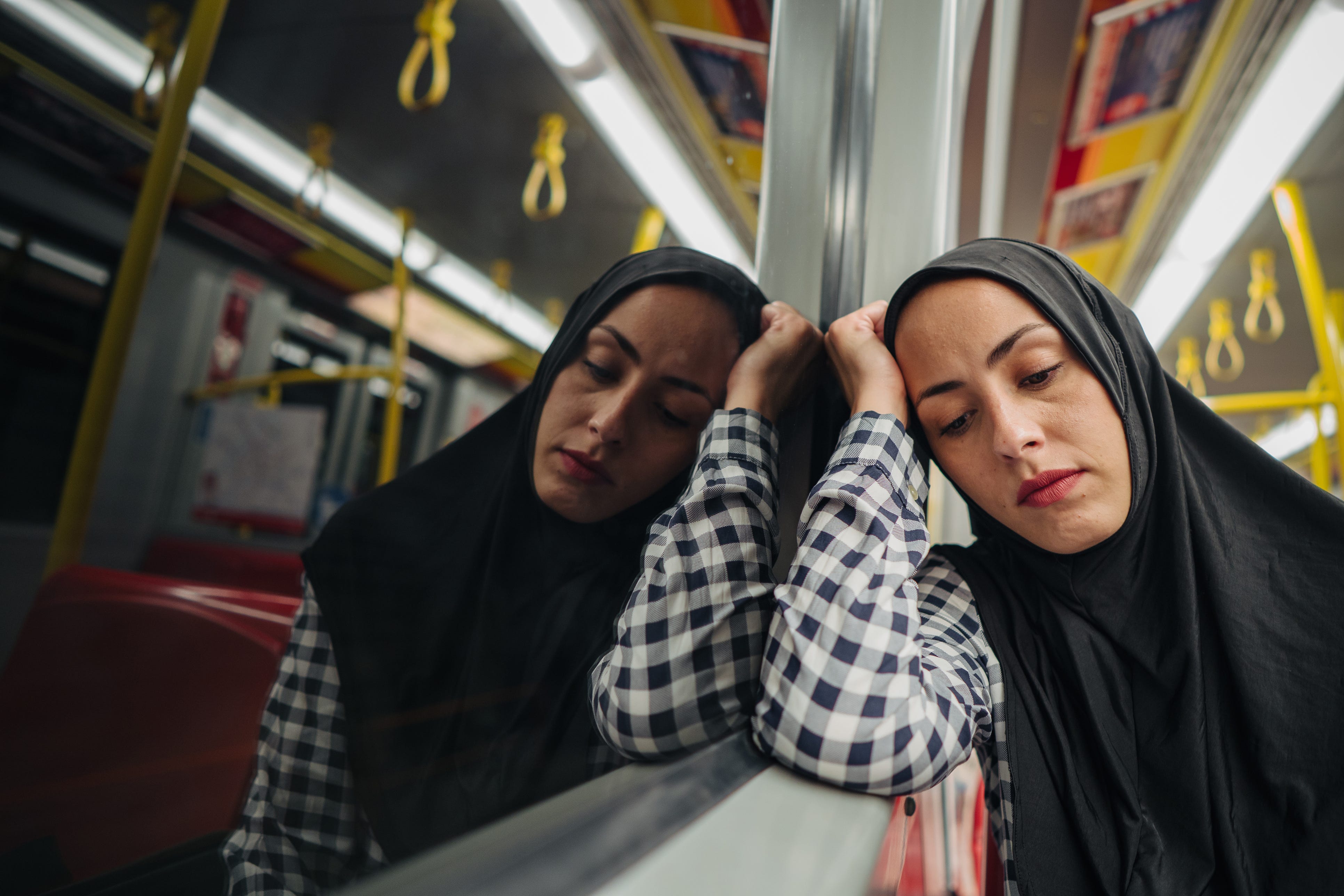
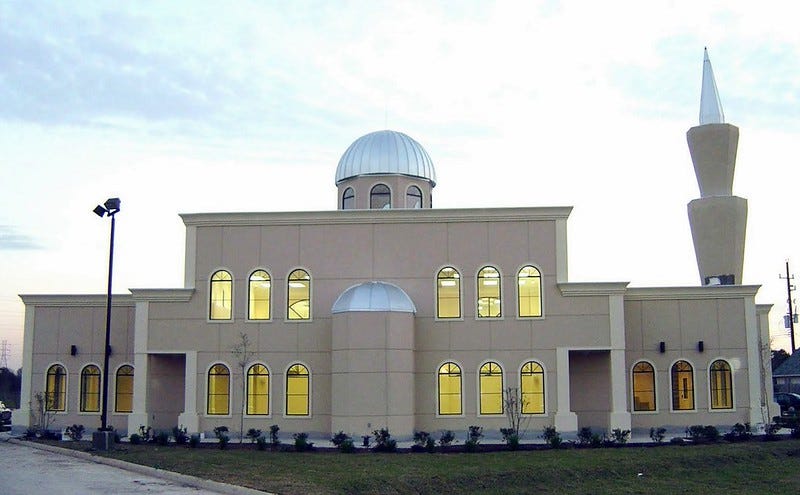
American mosques increasingly house professional mental health clinics to combat cultural stigma and accessibility challenges that have long prevented Muslims from seeking therapy, according to a WDET investigation published December 8, 2025. The emerging model integrates subsidized counseling services directly into Islamic centers, partnering imams with licensed therapists to bridge the gap between spiritual guidance and clinical care. This shift represents a fundamental reimagining of the mosque’s role in community wellness, with over a dozen major Islamic centers nationwide now offering on-site mental health programs.
Breaking Down Barriers in Sacred Spaces
Seeking mental health care remains profoundly complicated for many American Muslims due to deep-seated cultural expectations that emotional struggles should remain private family matters or be resolved through religious leaders. Danish Hasan, health director at the MY Mental Wellness Clinic in Detroit, acknowledges these obstacles, stating, “We have a little bit more stigma than some of the other communities,” according to reporting by WDET. The clinic operates within the Islamic Center of Detroit, offering free services to area residents and mosque attendees as part of a broader movement to normalize mental health treatment.
Sabrina Ali, a stay-at-home mother from Canton, Michigan, exemplifies the generational divide that often prevents young Muslims from accessing care. Growing up in a South Asian household, Ali learned she could not discuss her depression with immigrant parents who viewed her struggles as incomprehensible given her comfortable circumstances. “It was like they just came from a totally different world… and for them it was like, ‘Well, what do you have to be depressed about? Like, you’re 13, you have a good home, you have a good family, like you have food on the table,’” Ali told WDET. Her parents suggested increased prayer as the solution, a typical response that mental health advocates say can delay professional intervention.
From Prayer to Professional Partnership
Imam Mohamed Maged, resident scholar at the All Dulles Area Muslim Society (ADAMS Center) in Virginia, recognized 25 years ago that congregants needed more than spiritual support. “Sometimes they ask us to pray for them, and we do provide that spiritual support, but I realized that some of them really might be suffering from mental health issues, and they need somebody to help them,” Maged explained to WDET. The ADAMS Center responded by launching a Mental Health Program 13 years ago that now contracts with 17 providers to offer subsidized services for 12 sessions, serving both Muslim and non-Muslim community members.
The partnership between religious and mental health professionals proves crucial in overcoming stigma. “When you tell them this is a partnership between a mental health provider and me, both of us who can help you, they feel relief,” Maged noted. This collaborative approach extends to California’s Maristan clinic, part of the Muslim Community Center-East Bay, where founder Rania Awaad—a clinical psychiatry professor at Stanford University—integrates Islamic psychology into therapy sessions. Patients can request faith-based treatment that incorporates Quranic principles and prophetic traditions into evidence-based care.
“Maybe God is testing me, but even my decision, the path towards deciding to seek professional help, I think, in a way, was also a test... what is the saying, ‘trust in God, but tie your camel’, right?”
— Sabrina Ali, mental health care recipient, Canton, Michigan
Youth-Driven Initiatives Lead Transformation
The MY Mental Wellness Clinic in Detroit emerged from youth-led psychoeducation workshops that began in 2016, demonstrating how younger Muslims are actively reshaping community attitudes. Last year’s opening ceremony drew state dignitaries and community members, with Hasan emphasizing the program’s visibility and accessibility. “The idea with this project is to be visible, to be present, to be accessible and affordable for those that we serve,” Hasan stated. Approximately half of the clinic’s patients are young people, reflecting both the demand among youth and the success of peer-driven outreach efforts.
Ali’s journey illustrates how educational institutions create pathways to care. She accessed free counseling through the University of Michigan-Dearborn’s Counseling and Psychological Services (CAPS) while working with student groups, finding a private entryway to therapy without confronting parental opposition. This model of embedding services in trusted community institutions—whether universities or mosques—proves effective in reaching populations that might otherwise avoid treatment.
A Community in Crisis
The urgency of these initiatives becomes clear through recent data on Muslim mental health outcomes. A 2021 study published in JAMA Psychiatry found that 7.9% of U.S. Muslims reported a lifetime suicide attempt, a rate higher than most other religious groups surveyed, according to research cited by Context Corner analyzing community health disparities. Researchers identified Islamophobia, cultural stigma, refugee trauma, and lack of open discussion as key contributors to these elevated rates.
The broader American context reveals an escalating mental health emergency. In 2022, approximately 49,476 people died by suicide in the United States—an average of one death every 11 minutes—making it a leading cause of death nationally, according to federal data referenced in community health analyses. For Muslims, who often face additional barriers, including internalized stigma and mistrust of Western healthcare providers’ cultural sensitivity, the mosque-based model offers a culturally responsive alternative.
Integrating Faith and Clinical Practice
Islamic psychology sessions at clinics like Maristan demonstrate how providers blend religious teachings with therapeutic techniques. A patient with obsessive-compulsive disorder might explore Islamic regulations for wudu (ablution) to establish healthy boundaries around religious compulsions, learning that prophetic traditions limit ritual washings to three times. “Bringing in, well, here’s the Hadith of the Prophet sallallahu Salam, that says no more than three washings in wudu,” Awaad explained to WDET, showing how sacred texts can provide structure for mental well-being.
This integration addresses a critical barrier identified in community research: the tendency to attribute mental illness solely to weak faith. Focus group participants in a Bay Area study reported that offering religious guidance as the only treatment prevents community members from gaining holistic perspectives on mental health factors, according to findings published in the Journal of Muslim Mental Health.
Scaling the Model
The mosque-based mental health movement continues expanding nationally, with similar clinics emerging in major metropolitan areas and smaller communities alike. As more Muslims seek therapy, providers are developing innovative delivery methods, including telehealth options, multilingual services, and specialized programs for refugees and converts. The success of these initiatives depends on sustained funding, trained Muslim mental health professionals, and ongoing collaboration between religious leaders and clinicians.
The transformation represents more than a healthcare innovation—it signals a fundamental shift in how American Muslim communities confront longstanding stigma. By meeting people where they already gather, trust, and worship, these programs are saving lives, marriages, and families while demonstrating that seeking professional help represents not a failure of faith, but rather the courageous act of “tying your camel” while trusting in God.