

Iran’s Ayatollah Ali Khamenei is killed in Israeli strike, ending 36-year rule
Muted Global Reaction to the Death of Ayatollah Ali Khamenei

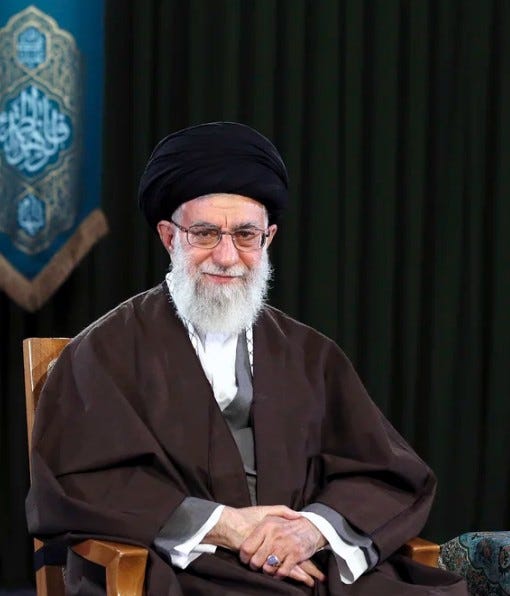
Iran’s supreme leader, Ayatollah Ali Khamenei, was killed in Israeli attacks, with U.S. support, on Saturday. He was 86 years old.
United States President Donald Trump confirmed Khamenei’s death on social media, calling it “the single greatest chance for the Iranian people to take back their country,” according to NPR. Trump said U.S. and Israeli strikes would continue and urged Iranians to rise up against the ruling system.
Israel’s Prime Minister Benjamin Netanyahu said there were “growing signs” Khamenei had been killed when Israeli forces struck his compound, but stopped short of offering broader political commentary.
Europe
European leaders struck a notably cautious tone, emphasizing diplomacy and restraint rather than celebration.
Keir Starmer, the British prime minister, along with Emmanuel Macron of France and Friedrich Merz of Germany, issued a joint call urging the U.S. and Iran to return to negotiations and avoid further escalation.
European governments largely avoided directly endorsing the strikes, instead condemning Iran’s retaliatory missile attacks while expressing concern about regional stability.
Russia and China
Russia and China reacted with open criticism.
Both governments condemned the U.S.–Israeli operation, warning that the killing of Iran’s supreme leader risked destabilizing the region and violating international norms. Neither offered support for regime change in Iran.
Middle East
Across the Middle East, reactions were restrained and highly calibrated.
Several Arab governments condemned Iran’s retaliatory strikes on neighboring countries but avoided commenting directly on the U.S. and Israeli attack itself, reflecting concerns about being drawn into a wider war.
The United Nations Security Council scheduled an emergency meeting in response to the killing and the escalating military exchanges.
Australia and Canada
Australia and Canada were among the few countries to express explicit support for U.S. actions, framing the strikes as a response to Iran’s regional activities and security threats.
Overall International Mood
The dominant global reaction has been one of unease rather than endorsement. Many governments are avoiding statements that could be seen as legitimizing targeted killings or regime change, while focusing publicly on de‑escalation, diplomacy, and the risk of a broader regional conflict.