

Islamophobia Becomes Texas GOP’s New Election Strategy: Will it do more harm?
An anti-Muslim ticket may energize some voters as an election tool. But it comes at a profound cost to the fabric of Texas society, argues The New York Times

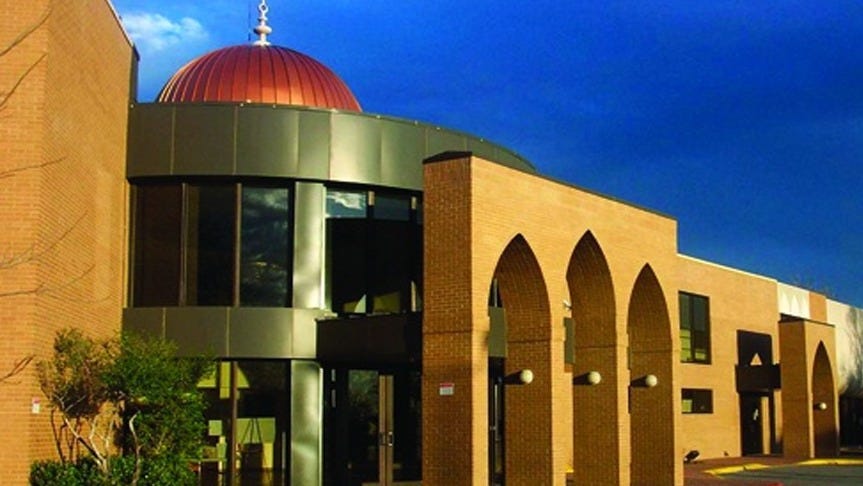
With border fears fading, Texas Republicans are now using anti-Muslim rhetoric to mobilize voters. Politicians and strategists have shifted their focus to the state’s growing Muslim population, framing Islam as a threat to American values.
Campaigns tout fights against “radical Islam,” propose bans on Sharia law, and label Muslim advocacy groups as terrorist organizations—all to energize their base.
This strategy has made Islamophobia a top issue for Republican primary voters, replacing previous concerns about immigration.
Community leaders say the rhetoric has created a climate of fear and division, with Muslims feeling targeted and unsafe. The GOP’s use of Islamophobia as a political tool is deepening social divides and undermining religious freedom in Texas, says a report in The New York Times.
This shift is evident in campaign ads, legislative proposals, and public events. Senator John Cornyn’s ads highlight his fight against “radical Islam,” while state lawmakers have formed a “Sharia-Free America Caucus.”

Governor Greg Abbott has gone so far as to label a major Muslim civil rights group a terrorist organization. High-profile gatherings, such as the “Save Texas from Radical Islam” dinner, feature national and international right-wing figures and draw enthusiastic crowds of party activists and lawmakers.
Legislative efforts are underway to “ban Sharia law,” a move that, while largely symbolic, signals to voters that Republicans are taking a hard line against perceived threats from Muslim communities.
The use of Islamophobia as a campaign tool is not just rhetoric—it’s a calculated response to shifting political winds. With mass deportations losing popularity and border fears less potent,
Republican strategists are tapping into anxieties about demographic change. Polls show that concerns about “Islamic radicalism” now rank among the top issues for Republican primary voters in Texas. The party has even placed a resolution on its primary ballot asking whether Texas should “prohibit Sharia law,” a term often used to conflate religious practice with cultural expansion.
For many Muslims in Texas, this political strategy has real and troubling consequences, said the paper.
Community leaders and residents describe feeling targeted and unsafe, as anti-Muslim sentiment intensifies in public discourse and at campaign events. The construction of new mosques and Muslim-led developments, such as the proposed EPIC City outside Dallas, has become a lightning rod for conservative backlash, fueling protests and official investigations—even when no wrongdoing is found.
The pattern is clear: as one wedge issue fades, another takes its place. Islamophobia is being weaponized not just to win votes, but to define the boundaries of belonging in Texas. Republican candidates and officials are using fear of Muslim communities as a tool to galvanize their base, even as it deepens divisions and undermines the state’s tradition of religious freedom.
Muslim Texans, meanwhile, are left to navigate an increasingly hostile environment, where political attacks have made outreach and interfaith efforts more difficult. As one community leader put it, “We tried that model. It has not been successful.”
The use of Islamophobia as an election tool may energize some voters, but it comes at a profound cost to the fabric of Texas society, said The New York Times.