

Islamophobia Rhetoric Isn’t Driving Voter Concern; Affordability Is, say Americans
Politicians miss the mark as voters care more about cost-of-living than fearmongering


The Muslim community in Texas and across the United States is deeply concerned by the recent escalation of anti-Sharia rhetoric and policy proposals from certain Republican leaders and candidates.
But while some GOP politicians may believe Islamophobia energises their base, two recent reports suggest their voters are preoccupied with something entirely different — affordability pressures and frustration with renewed foreign entanglements, according to community leader Muhammad Azfar Saeed.
“While some GOP politicians may believe Islamophobia is a winning strategy, the data shows their voters are far more concerned with affordability and the creeping return of foreign interventionism.
The reports show that Americans are concerned about affordability under Trump. Many Republicans voted for a party that promised to avoid regime-change politics — and now feel that promise has been broken.
“Islamophobic messaging currently evident in the political campaigning not only fails to address their economic anxieties, but it also risks reopening wounds from the very foreign-policy failures GOP voters wanted to leave behind,” added Saeed.
The National Political Environment UpONE Insights by Robert Blizard on 25 January asserts that everyday costs remain the top concern, overshadowing macroeconomic indicators like the stock market.
Trump’s numbers eroded on affordability during his first year, and voters want greater focus on lowering costs. ICE, Venezuela, Greenland, and Iran have driven the news cycle in January. But Republicans need the White House to keep affordability front and centre and show progress voters can understand, according to the findings.
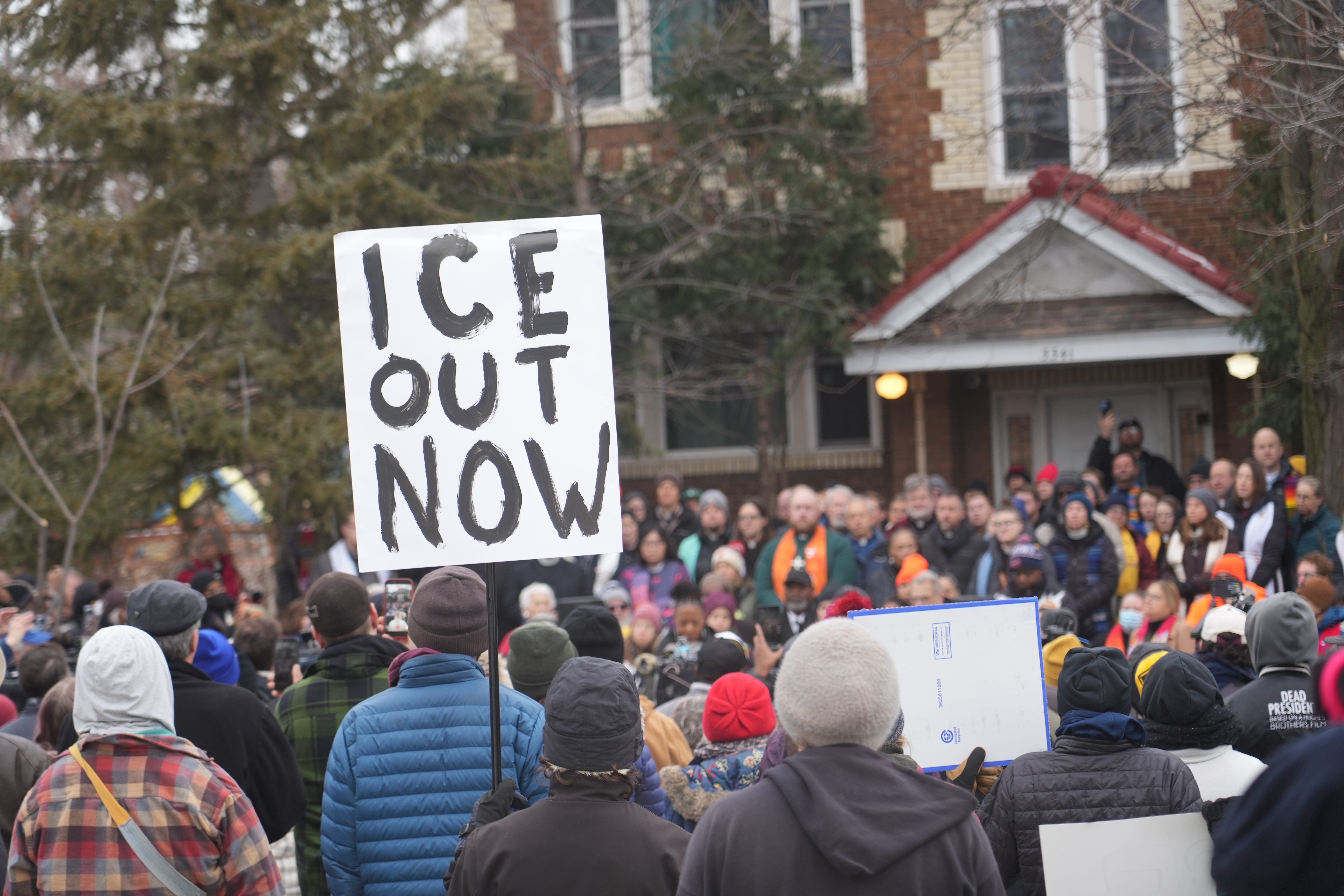
According to findings of the recent Navigator Research published on 15 January, Americans want the government to focus on lowering costs, but they believe President Trump and Republicans in Congress are focused on immigration and foreign intervention. In the wake of the shooting of Renee Good, ICE’s favorability has dropped significantly since last summer, as majorities believe ICE has been too aggressive in the past year.
Affordability is the dominant voter concern—including among GOP Voters—a factor Saeed says recent polling confirms: Americans across the political spectrum are under severe financial strain.
“Nearly half of Americans report difficulty affording basic necessities such as groceries, utilities, healthcare, housing, and transportation. Even among Trump voters, patience with high costs is wearing thin,” Saeed adds.
Economic anxiety is now deeply intertwined with political evaluation, including how voters judge the GOP’s performance. Therefore, many argue that culture-war messaging — including Islamophobic rhetoric — does not address the material pressures voters feel daily.
Many GOP voters are increasingly skeptical of policies (like tariffs) that raise prices, with only 22% of Trump 2024 voters saying tariffs are helping the economy now.
This creates a mismatch between what GOP politicians are emphasizing and what their voters actually need addressed.
These anti-Sharia attacks, which have included legislative efforts, inflammatory campaign ads, and public statements targeting Muslim organizations and individuals, not only misrepresent the beliefs and practices of American Muslims but also threaten the fabric of the diverse American society.
The portrayal of Sharia as a threat to American values is a gross distortion, according to community leaders. Sharia, for Muslims, is a personal code of ethics and spirituality, not a political agenda. The suggestion that Muslims seek to impose their religious law on others is unfounded and serves only to stoke fear and division.
As noted by community leaders and advocacy organizations, these attacks are rooted in political expediency rather than fact, and they ignore the reality that Muslim Americans are committed to the Constitution and the rule of law.
The current wave of anti-Muslim rhetoric is not only alienating long-time conservative Muslim voters but also undermining the very coalition that the Republican Party has spent years building. Many Muslims who share conservative values on family and social issues now question whether there is still a place for them in the party. This shift is evident in the growing number of Muslim Republicans who are openly reconsidering their political loyalties in light of these attacks.
Muslim advocacy organizations, such as the Council on American-Islamic Relations (CAIR), have strongly condemned the defamatory and unconstitutional actions taken by some state officials.
These organizations are pursuing legal action to defend the rights and dignity of the Muslim community, emphasizing that American Muslims are here to stay and will continue to contribute positively to society. As CAIR’s Texas Policy and Advocacy Coordinator stated, “CAIR is not going anywhere, American Muslims are not going anywhere, and our community will show its strength at the ballot box, God willing”.
Muslim leaders have urged political leaders and candidates to reject divisive rhetoric and to engage with Muslim Americans as partners in building a stronger, inclusive nation.
“The Muslim community stands ready to work with anyone who is committed to justice, equality, and mutual respect. We call on our fellow citizens to see through the fearmongering and to recognize the shared values that unite us all,” concludes Saeed.