


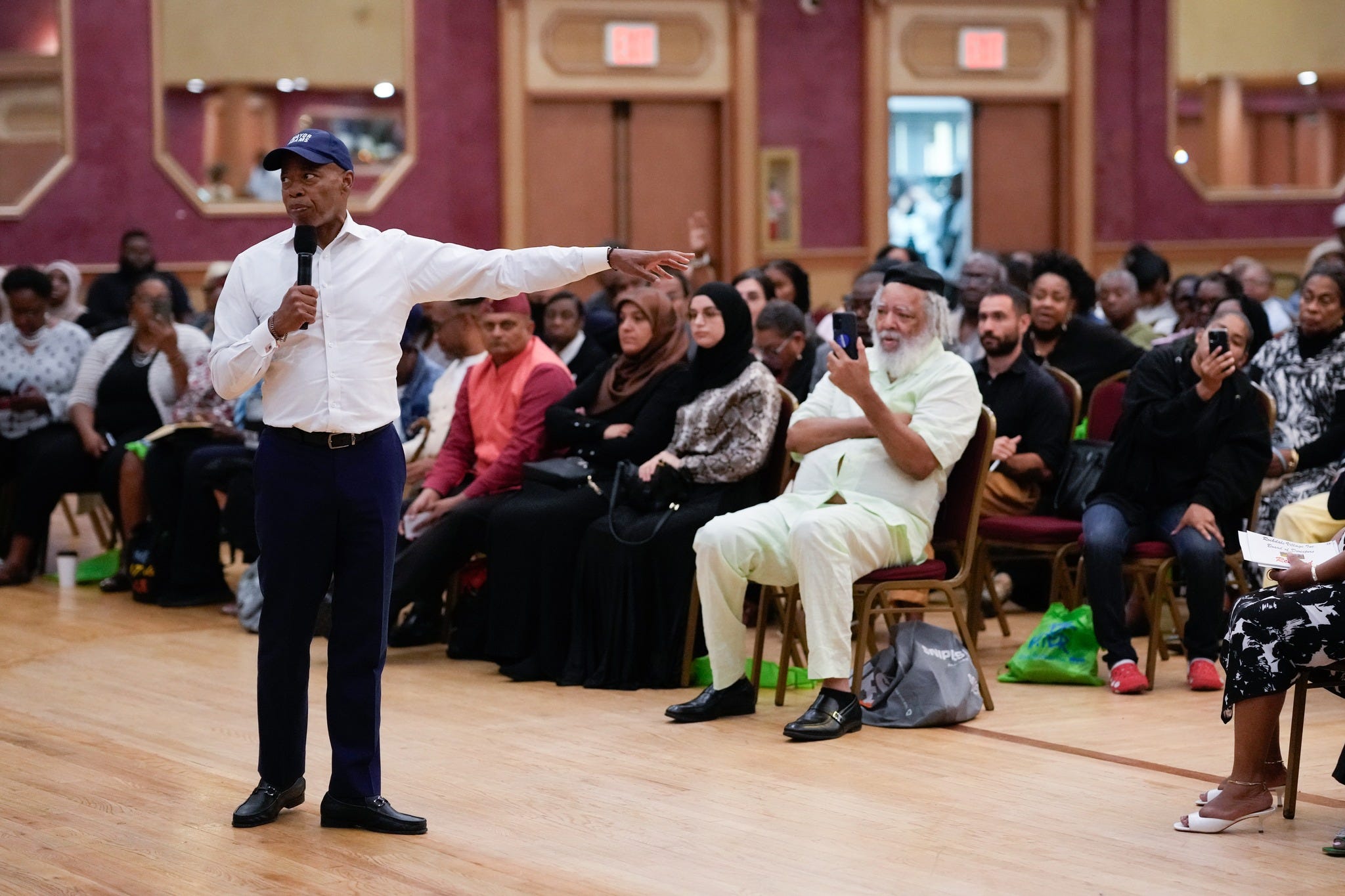
New York City Mayor Eric Adams signed two executive orders on December 3, 2025, that prohibit city agencies from discriminating against Israel in contracts and investments while directing police to evaluate restrictions on protests near houses of worship. The orders, announced at the Combatting Antisemitism Movement conference in New Orleans, come just weeks before Mayor-elect Zohran Mamdani—a longtime supporter of the Boycott, Divestment and Sanctions (BDS) movement—takes office on January 1.
Financial Stakes and Anti-Discrimination Measures
Executive Order No. 60 bars mayoral agency heads, chief contracting officers, and appointees with discretion over city contracts from engaging in procurement practices that discriminate against the State of Israel, Israeli citizens, or entities associated with Israel. The order also prohibits the chief pension administrator and mayoral trustees from supporting divestment from Israeli bonds and assets.
New York City’s five independent pension systems support over 750,000 city employees, retirees, and beneficiaries and manage nearly $300 billion in global-marketplace securities. According to the mayor’s office, the city currently holds over $300 million invested in Israel bonds and Israeli assets.
“This administration acknowledges the advantages of sustaining a robust relationship between New York City and the state of Israel,” Adams stated at the conference, adding that the executive order aims “to deal with BDS so we can stop the madness that we should not invest in Israel”.
Response to Heated Synagogue Protests
Executive Order No. 61 directs NYPD Commissioner Jessica Tisch to evaluate potential changes to the patrol guide for regulating protest activity near houses of worship. The directive calls for assessing proposals, including buffer zones at specific distances from worship entrances and additional restrictions during publicly scheduled religious services.
The order follows a November 19, 2025, demonstration outside Manhattan’s Park East Synagogue, where approximately 200 anti-Israel protesters gathered during an event hosted by Nefesh B’Nefesh. This organization facilitates Jewish immigration to Israel. Protesters chanted “death to the IDF” and “globalize the intifada,” prompting widespread condemnation from elected officials and the Jewish community.
NYPD Commissioner Tisch subsequently apologized to synagogue members at a Shabbat service for not providing adequate access to the building during the protest.
Crisis Drives Policy Action
The executive orders reflect escalating concerns about antisemitism in New York City, which recorded 345 antisemitic hate crimes in 2024—representing 54 percent of all hate crimes reported to police and more than all other minority groups combined, according to NYPD data released in January 2025. The Anti-Defamation League reported that New York State led the nation with 1,437 antisemitic incidents in 2024, an 18 percent increase from 2023’s previous record.
“New York City has always been this nation’s melting pot, but, too often, over the last few years, we’ve seen those of Jewish ancestry be singled out and targeted,” Adams said in a statement. “Today, we are ensuring our city government doesn’t participate in that type of behavior and are putting in safeguards that protect New Yorkers’ tax dollars and protect their right to practice their religion without harassment”.
Political Showdown on the Horizon
The orders present a direct challenge to incoming Mayor Mamdani, who campaigned on divesting city pension funds from Israeli investments and has opposed the International Holocaust Remembrance Alliance (IHRA) definition of antisemitism that Adams formally adopted in June 2025. Mamdani will have the authority to revoke or modify the executive orders upon assuming office.
Adams’ Executive Order 60 mirrors a 2016 state-level directive by then-Governor Andrew Cuomo, continued under Governor Kathy Hochul, that prevents state agencies from conducting business with firms that endorse BDS. New York State legislators are separately considering a bill by Assemblymember Micah Lasher and Senator Sam Sutton that would establish 25-foot buffer zones prohibiting protests near the entrances of houses of worship.