

Q&A: How the Expanding Iran War Could Affect Texas
Why does a war in Iran matter to Texas at all?

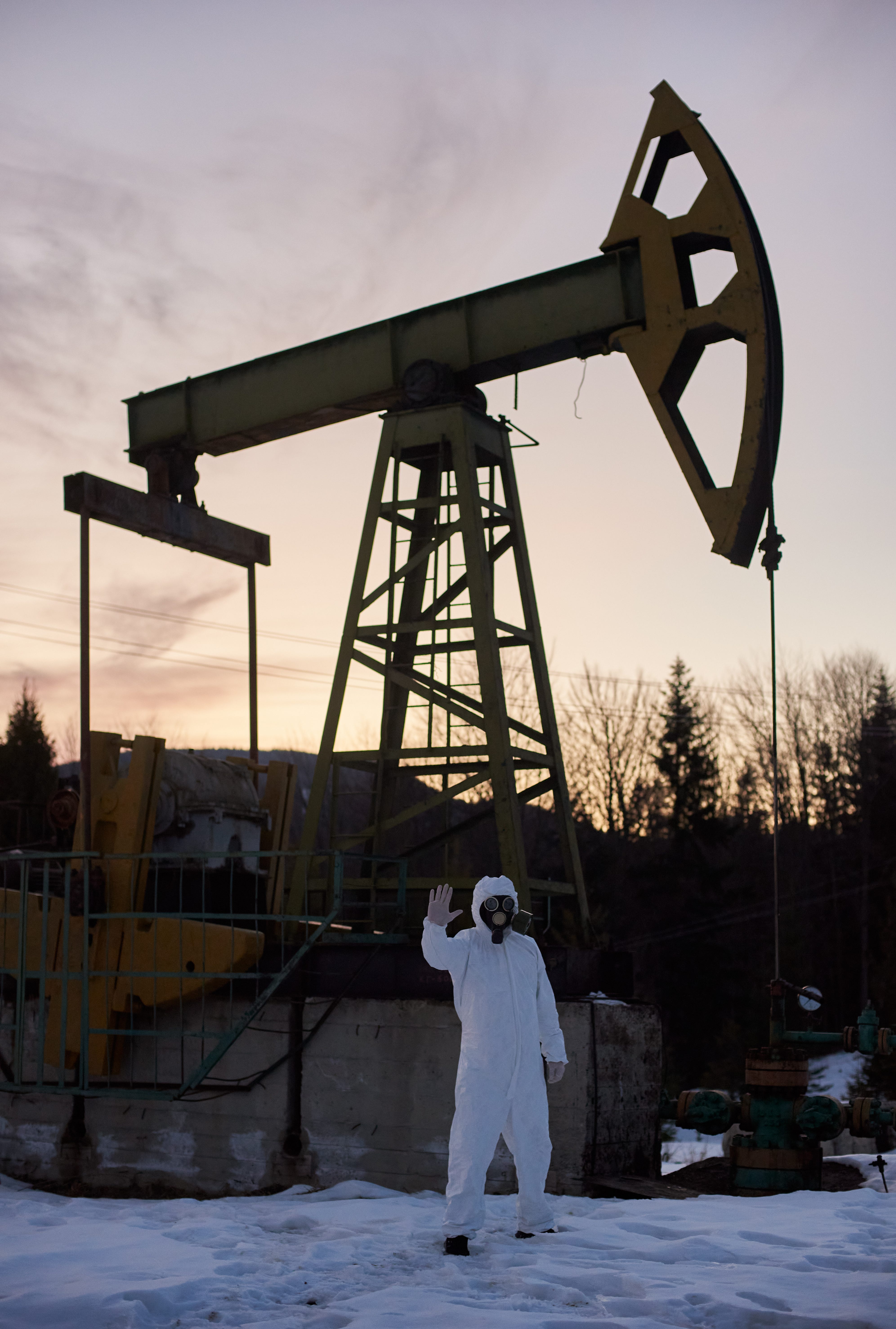
Texas is more exposed than almost any other U.S. state because it sits at the intersection of military power, energy markets, global trade, and national politics. What happens in the Gulf ripples through Texas within hours—sometimes minutes.
Will Texas troops be deployed?
Almost certainly, if the conflict widens.
Texas hosts some of the largest and most strategically important U.S. military installations:
Fort Cavazos (Killeen) — a major Army combat unit with a long history of Middle East deployments.
Fort Bliss (El Paso) — home to air‑defense and missile units that are in high demand during conflicts involving Iran.
Joint Base San Antonio — intelligence, cybersecurity, and medical commands that support CENTCOM operations.
Ellington Field (Houston) — Guard and Reserve units that can be activated quickly.
A prolonged conflict means:
More deployments
Longer tours
Higher strain on military families
Increased pressure on veteran services across the state
How will the war affect gas prices in Texas?
Expect higher and more volatile prices, even though Texas produces more oil than any other state.
Why?
Because global oil prices are set internationally. Any threat to the Strait of Hormuz—through which a fifth of the world’s oil flows—pushes prices up.
What Texans will feel:
Higher gasoline and diesel prices
Higher costs for trucking, farming, and small businesses
Higher electricity prices in some regions
A boost for oil producers in the Permian Basin and Eagle Ford
Texas benefits economically from higher crude prices, but households and small businesses pay more.
Will Texas ports be affected?
Yes. Texas ports are central to U.S. petrochemical and LNG exports.
Key impacts:
Port of Houston may see increased demand for exports as global buyers look for alternatives to disrupted Gulf supplies.
Corpus Christi and Beaumont could see surges in crude and LNG shipments.
Shipping insurance costs rise during Middle East instability, increasing costs for Texas exporters.
Supply chains for electronics, machinery, and medical supplies may slow down.
Texas becomes both a pressure valve and a pressure point.
Could the war affect Texas’s economy beyond energy?
Yes. Texas is deeply integrated into global markets.
Potential impacts:
Higher costs for imported goods
Delays in manufacturing supply chains
Increased demand for Texas‑based cybersecurity and defense contractors
More federal spending flowing into Texas military and aerospace industries
The state’s economy is resilient, but volatility is guaranteed.
How are Texas political leaders responding?
Expect a sharp partisan divide that mirrors Washington:
Republican leaders in Texas will strongly support Trump’s military posture and frame the conflict as necessary for national security.
Democratic leaders will warn about the cost of another long war and push for diplomacy.
The conflict will also intensify:
Border security rhetoric
Debates about energy independence
Pressure on Texas’s large veteran and military communities
Will Texas communities feel social or cultural impacts?
Yes. Texas has large communities with ties to the Middle East, including in Houston, Dallas, and Austin.
Likely effects:
Increased fear of discrimination against Iranian, Arab, and Muslim Texans
Heightened tensions around protests and political events
Greater demand for accurate, non‑sensational information
Anxiety among military families and immigrant communities
Could this become a long war that reshapes Texas?
If the conflict becomes a multi‑front regional war, Texas faces:
Sustained troop deployments
Long-term energy volatility
Higher state security spending
Pressure on ports and supply chains
A more polarized political climate
Texas is both strategically essential and economically exposed—making it one of the states most affected by a war thousands of miles away.