

Q&A: What Texas Voters Need to Know for Early Voting
When does early voting begin, and why does it matter?

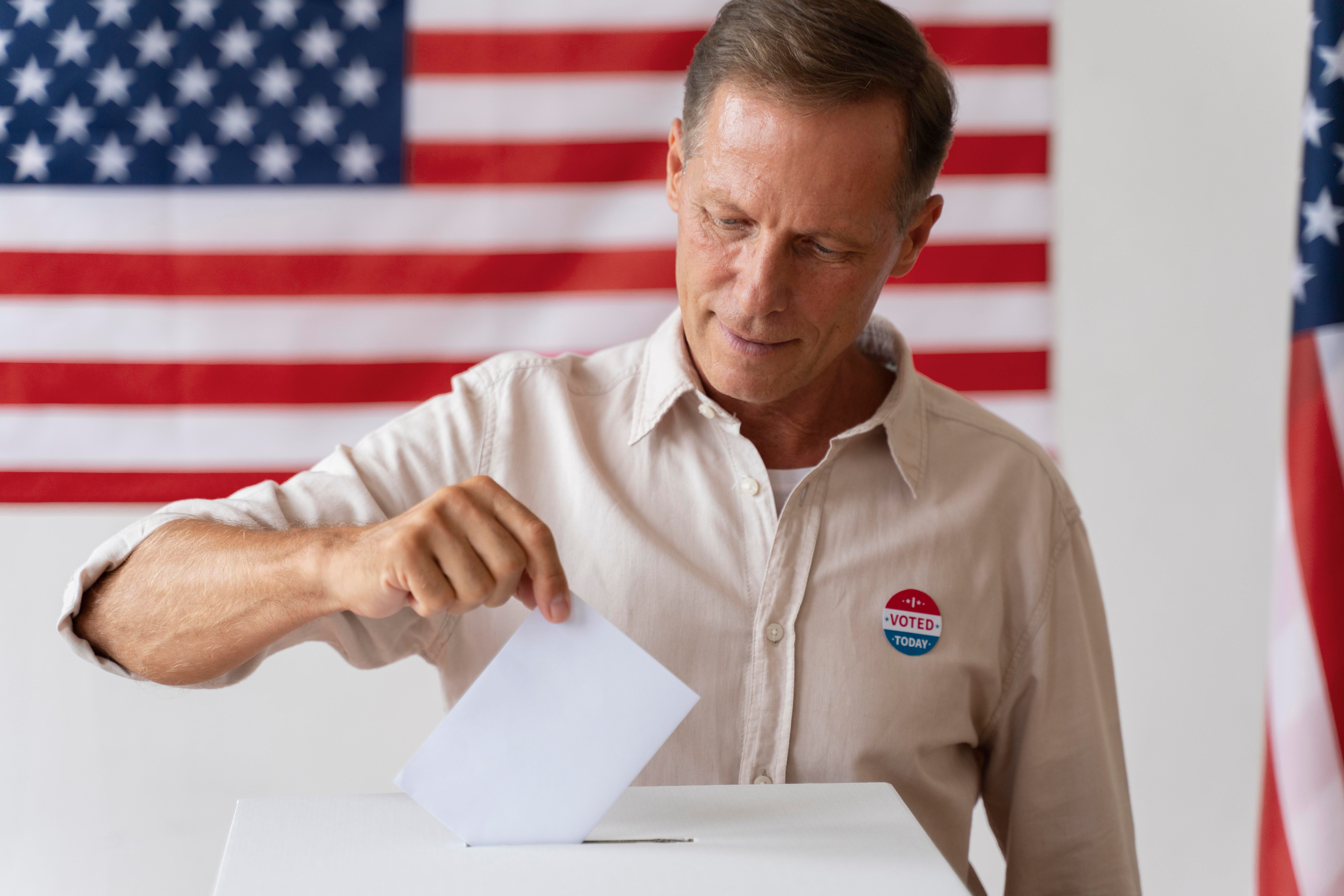
Early voting in Texas kicks off today! This period gives voters the flexibility to cast their ballots ahead of Election Day, which is March 3. Early voting runs through Friday, Feb. 27, and is available for both the Republican and Democratic primaries. The outcome of these primaries will determine which candidates represent each party on the November ballot.
This Q&A is designed to be both informative and accessible, ensuring voters in Texas have the knowledge and confidence to participate in the 2026 primaries.
Q: What are the March 3 primaries, and how do they work?
A: The March 3 primaries are where Texas voters choose their party’s nominees for the general election. You can vote in either the Democratic or Republican primary, but not both. Candidates compete within their own parties, and whoever receives more than 50% of the vote secures the nomination. If no one reaches that threshold, the top two candidates face off in a runoff election on May 26.
Q: How can I confirm my voter registration status?
A: To check if you’re registered, visit the Texas Secretary of State’s “Am I Registered?” portal. You can search using your Voter Unique Identifier (VUID), Texas driver’s license number, or your first and last name. Alternatively, call your county’s voter registrar’s office for assistance.
Q: What forms of identification are accepted at the polls?
A: Most voters use their Texas driver’s license, but several other forms of ID are accepted:
Texas Driver License (DPS)
Texas Election Identification Certificate (DPS)
Texas Personal Identification Card (DPS)
Texas Handgun License (DPS)
U.S. Military Identification Card with photo
U.S. Citizenship Certificate with photo
U.S. Passport (book or card)
If you don’t have one of these, but are registered, you can fill out a Reasonable Impediment Declaration and present supporting documents like a utility bill or bank statement.
Q: Who’s on the ballot in 2026?
A: When you arrive at your polling place, you’ll choose which party’s primary to vote in. Each ballot includes federal, state, and county races. Statewide, you’ll help select nominees for governor, lieutenant governor, comptroller, attorney general, and four Texas Supreme Court seats. All 150 Texas House seats and 16 Texas Senate seats are up for election, as well as U.S. House representatives. The U.S. Senate race is especially high-profile: Republican Sen. John Cornyn faces challenges from Ken Paxton and Wesley Hunt, while Democrats Jasmine Crockett and James Talarico are competing for their party’s nomination. For a full list, check your county’s sample ballot online.
Q: Who is eligible to register to vote in Texas?
A: You can register if you:
Are a U.S. citizen
Are at least 17 years and 10 months old (must be 18 by Election Day to vote)
Have not been finally convicted of a felony, or have completed your sentence, parole, or probation
Have not been declared totally or partially mentally incapacitated without voting rights by a court
People with disabilities have the right to register if eligible. Those with legal guardians may register unless a court order removes that right. Assistance is available from state agencies or anyone you choose.
Q: What accessibility options are available for voters with disabilities?
A: Texas leads in accessible voting. Every polling place for federal elections—and most for other elections—offers at least one accessible voting machine. These systems support a range of needs, including no vision, low vision, hearing impairments, and limited mobility. If you need an accommodation, contact your county’s early voting clerk at least 21 days before the election.
Q: Are polling places physically accessible?
A: Yes. Texas polling places must meet strict standards: ground-floor access, wide doors, curb cuts or ramps, handrails on stairs, and removal of barriers. Each location provides at least one accessible voting system, and voters can use assistive devices for privacy and independence.
Q: Can I get help at the polls?
A: Absolutely. If you need assistance, inform an election official—no proof of disability required. You may be assisted by anyone you choose (except your employer or union representative), two election workers on Election Day, or one during early voting. The assistant must follow strict rules to ensure your vote remains private and uninfluenced.
Q: What if I need an interpreter?
A: Voters who don’t speak English or use sign language may bring an interpreter (not an employer or union agent). The interpreter can also serve as an assistant if needed, following the same rules as other assistants.
Q: Is curbside voting available?
A: Yes. If you can’t enter the polling place, you can request curbside voting. An election officer will bring a ballot to your car, or a companion can help. Designated parking and contact options (phone, button, or intercom) are provided for this service.
Q: Can I vote early by mail?
A: If you’re 65 or older, have a disability, or will be out of the county during voting, you can apply to vote by mail. Submit your application to the county early voting clerk between 60 and 11 days before Election Day. More details are available in the “Early Voting in Texas” pamphlet.
Q: What is provisional voting?
A: If your name isn’t on the voter list or you lack proper ID, you can cast a provisional ballot. You’ll need to visit the voter registrar’s office within six days to provide ID or complete a Reasonable Impediment Declaration for your vote to count
Q: Where can I get more information?
A: For more details, visit the Texas Secretary of State’s website, contact your county voter registrar, or call 1-800-252-VOTE (8683).