


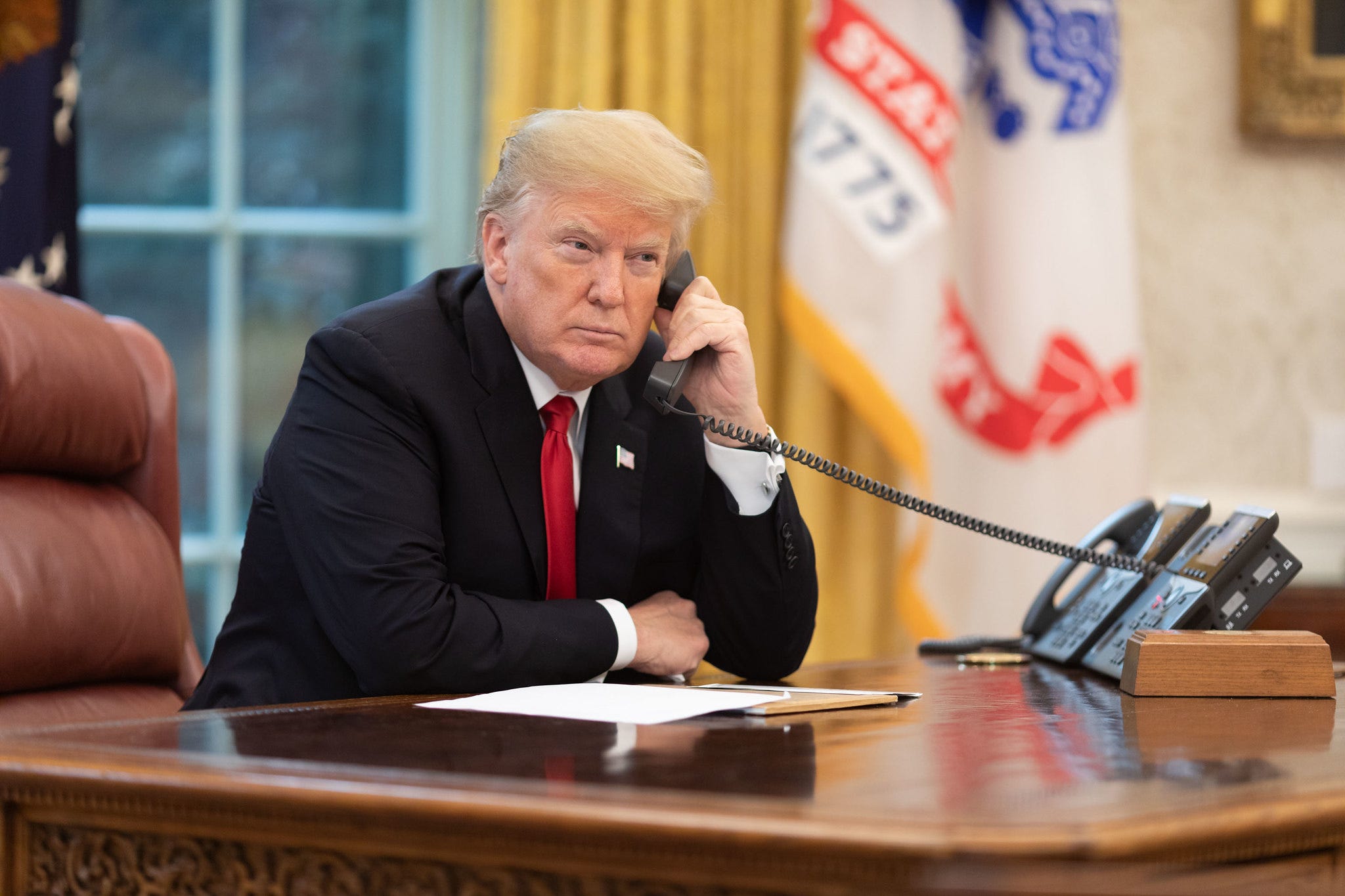
The United States Senate advanced a war powers resolution on Thursday with a 52-47 vote to restrict President Donald Trump from launching further military strikes against Venezuela without congressional approval, marking a rare bipartisan rebuke following the administration’s surprise capture of Venezuelan President Nicolás Maduro in a January 3 raid, according to the Associated Press, Reuters, and Al Jazeera. Five Republican senators joined all 47 Democrats in supporting the measure, which now proceeds to final debate, though it faces a near-certain presidential veto and lacks sufficient support in the Republican-controlled House to override, multiple outlets reported.
Bipartisan Coalition Defies White House
Republican Senators Rand Paul of Kentucky, Lisa Murkowski of Alaska, Josh Hawley of Missouri, Susan Collins of Maine, and Todd Young of Indiana broke ranks with their party leadership to support the resolution introduced by Democratic Senator Tim Kaine of Virginia, CBS News and Politico confirmed. The measure would require Trump to withdraw U.S. military forces from any “imminent engagement” in hostilities “within or against Venezuela” without additional congressional consent, NBC News reported.
“The Constitution is clear—only Congress can declare war,” Paul stated on the Senate floor, according to Time magazine. “Our founder’s intent is not a close call open to equivocation.” Kaine criticized the administration’s approach, saying “instead of addressing Americans’ concerns over the affordability crisis, President Trump has initiated a war with Venezuela that shows a profound lack of respect for U.S. troops, is widely unpopular, suspiciously secretive, and likely corrupt,” NBC News reported.
Escalating Military Campaign Triggers Congressional Action
The resolution comes days after U.S. forces conducted what Trump called “large-scale strikes” on Venezuelan territory in the early hours of January 3, with Delta Force operatives capturing Maduro and his wife Cilia Flores in a nighttime raid on the presidential compound in Caracas, according to reporting by The New York Times, ABC News, and CBS News. Trump later posted photographs on Truth Social showing Maduro blindfolded aboard the USS Iwo Jima, announcing that the Venezuelan leader would face criminal charges in the United States, as documented by multiple outlets.
The operation followed months of escalating U.S. pressure that included naval deployments, seizures of oil tankers, and strikes on vessels Washington said were tied to drug trafficking networks linked to Maduro’s government.
In mid-December, Trump wrote on Truth Social that Venezuela was “surrounded by the largest Armada ever assembled in the History of South America” and warned that operations would continue “until they return to the United States of America all of the Oil, Land, and other Assets that they previously stole from us”.
Republican Leaders Express Unease Over Broader Ambitions
Senate Majority Leader John Thune of South Dakota defended the president’s actions, stating, “I think the president has demonstrated at least already a very strong commitment to peace through strength, especially in this hemisphere,” Muslim Network TV reported. However, other Republicans expressed concern about Trump’s expanding territorial ambitions, particularly regarding Greenland, which is a NATO ally of Denmark.
Senator Thom Tillis of North Carolina, co-chair of the Senate NATO Observer Group, used a Senate floor speech to criticize White House deputy chief of staff Stephen Miller for comments suggesting the U.S. should take control of Greenland, calling such remarks “amateurish” and “absurd,” according to Muslim Network TV. When asked whether he would support putting troops on the ground in Venezuela, Tillis responded: “Not without congressional authorization,” the outlet reported.
War Powers Debate Revives Constitutional Questions
The 1973 War Powers Resolution, passed over President Richard Nixon’s veto, requires presidents to notify Congress within 48 hours of deploying forces and to end military action within 60 to 90 days, absent authorization. Time documented. Democratic leaders argue those limits are being pushed further than ever under Trump’s second term, with Senate Minority Leader Chuck Schumer of New York stating, “The American people are asking what the hell is going on in Venezuela and why is this president, who campaigned on ‘America First,’ now spending all his time and energy on escapades overseas?” according to Muslim Network TV.
Senator Lindsey Graham of South Carolina, a close Trump ally, offered a contrasting view, saying he would be comfortable with Trump taking over other countries without congressional approval, including Greenland, stating, “The commander in chief is the commander in chief. They can use military force,” Muslim Network TV reported. Constitutional scholars quoted by the Constitution Center noted that the debate about the constitutional legitimacy of recent actions taken against Venezuela will likely continue for weeks.
International Condemnation and Regional Instability
Venezuelan Defense Minister Vladimir Padrino López announced a “massive deployment of all land, air, naval, riverine and missile capabilities” for national defense following the U.S. strikes, while regional leaders condemned the operation. Colombian President Gustavo Petro described it as an “assault on the sovereignty of Latin America” and predicted a looming humanitarian crisis, while Cuban President Miguel Díaz-Canel condemned what he labeled “state terrorism… against the Venezuelan people,” according to Al Jazeera and TRT World coverage cited by Context Corner.
The Washington Office on Latin America (WOLA) stated in a January 3 analysis that “the Trump administration carried out the strike without the authorization of the U.S. Congress and in violation of limits on the president’s constitutional war powers” and that “the U.S. actions also violate international law,” adding that “there appears to be no legitimate claim of self-defense on the part of the U.S.”.
What Lies Ahead for Venezuela Policy
While the War Powers Resolution faces an uphill battle to become law, its advancement signals growing congressional unease with executive military action. Democratic Senator Ruben Gallego of Arizona announced he is working on a resolution “to block Trump from invading Greenland,” writing on X that “we must stop him before he invades another country on a whim,” Muslim Network TV reported. Kaine also indicated that resolutions on Cuba, Mexico, Colombia, and Nigeria would be filed soon, the outlet added.
The Council on Foreign Relations noted that Thursday’s 52-47 Senate vote “was an instance, rare over the last year, of Capitol Hill pushing back against Trump,” raising the question of “whether the rebuff is a one off or the beginning of a shift back toward a more contested, and more typical, relationship between Congress and the White House”. As Venezuela’s acting president, Delcy Rodríguez, navigates the country’s political transition following Maduro’s capture, the international community watches to see whether Trump’s military ambitions will face sustained congressional resistance or continue unchecked across the Western Hemisphere.