


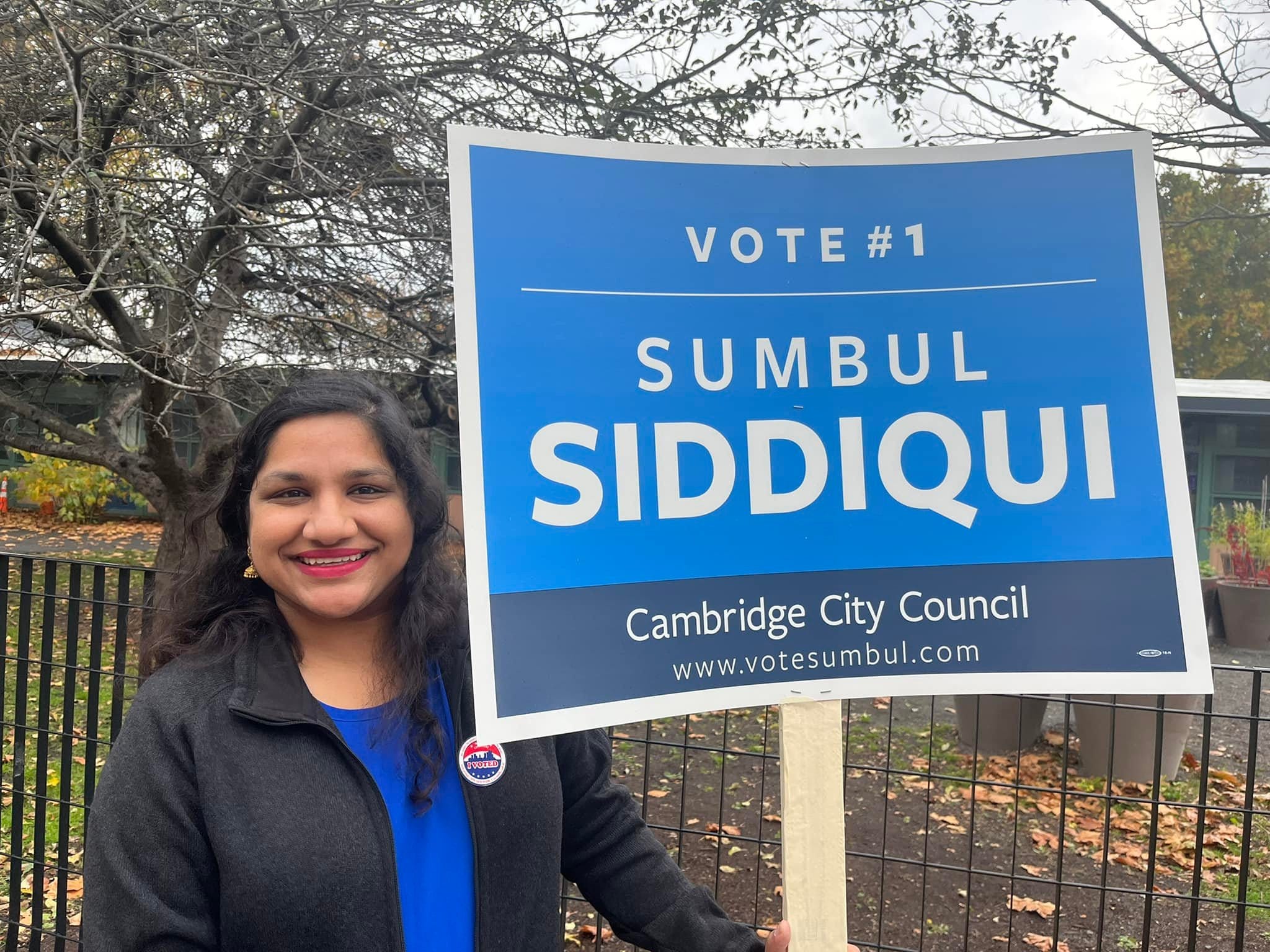
The Cambridge City Council unanimously elected Sumbul Siddiqui to serve as mayor for a third time on the sixth of January, marking a remarkable political resurgence for the fifth-term councilor just two years after workplace misconduct allegations nearly derailed her career. Siddiqui, who previously led the city in 2020 and 2022, will govern alongside vice mayor Burhan Azeem and two newly inaugurated councilors during a term expected to focus on affordable housing, inclusionary zoning reforms, and income support programs, according to The Harvard Crimson.
A Rapid Political Comeback
Monday’s vote represents what The Harvard Crimson described as “a rapid comeback for a councilor whose last term as mayor ended in scandal.” A Boston Globe investigation published in October 2023 revealed that eight women who worked for Siddiqui accused her of creating a toxic workplace environment, with former staffers alleging she berated employees and damaged their career prospects.
“You can break barriers and also cause a lot of harm in the process,” former campaign manager Theo Skeadas told the Globe, criticizing what she viewed as a disconnect between Siddiqui’s public image and internal office culture. Siddiqui responded at the time by saying the allegations were “not consistent” with her values but acknowledged she would “reflect and improve my supervisory skills,” according to the Globe.
Despite the controversy, councilors denied her a third consecutive term in 2024 but restored her to the mayoralty this week. She replaces E. Denise Simmons, a 13-term councilor who completed her third mayoral term in December.
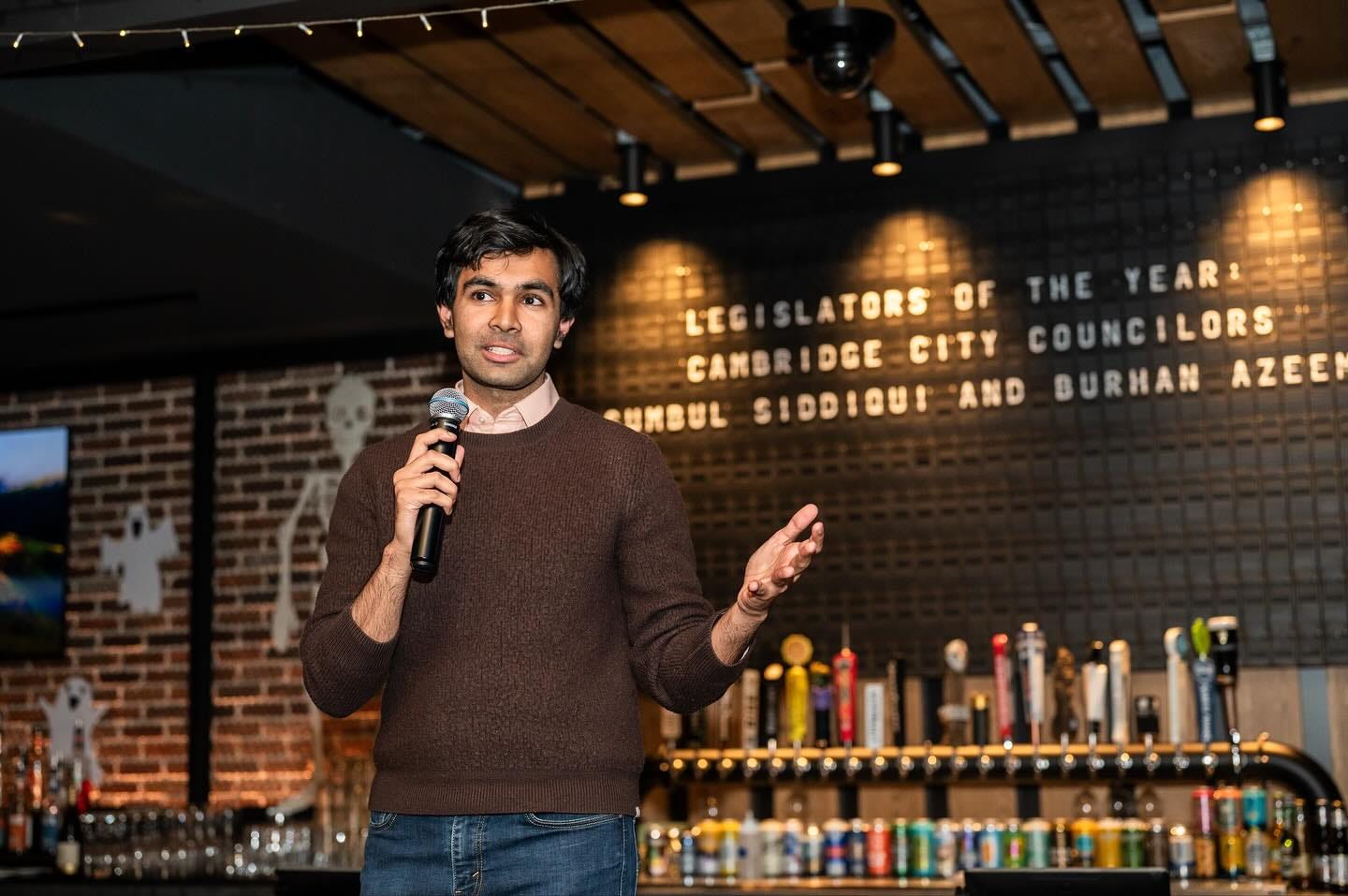
New Charter Changes Power Structure
Siddiqui will serve under a revised city charter approved by Cambridge voters in fall 2025 that fundamentally alters the mayor’s authority over education policy. While she remains the only councilor on the Cambridge School Committee, which oversees budgetary and policy matters for public schools, she will not automatically chair the body, The Harvard Crimson reported.
The charter amendment allows School Committee members to elect their own chair, mirroring the City Council’s selection process. This change decouples mayoral power from control over the city’s educational agenda, a move that comes amid a long history of school governance as a flashpoint in local politics.
Policy Priorities, Housing and Guaranteed Income
Siddiqui has spent much of her tenure advocating for affordable housing and accessible childcare, serving two terms as co-chair of the Council’s housing committee. In an October interview with The Harvard Crimson, she said she intends to prioritize tax incentives and inclusionary zoning this term.
Cambridge currently requires that 20 percent of units in developments with 10 or more units be designated as affordable, a policy strengthened in 2018, according to the Massachusetts Municipal Association. Recent zoning reforms approved in February 2025 could produce 3,590 net new units by 2040, including 660 inclusionary affordable units, according to city staff estimates.
Siddiqui also championed the city’s Recurring Income for Success and Empowerment (RISE) initiative, which provided $500 monthly payments to low-income, single-caretaker households. The Harvard Crimson reported that RISE became “the country’s third-largest direct income initiative” after Cambridge invested $22 million in federal funds in 2022. Though funding ended in February 2025, councilors voted in September 2024 to explore a successor program.
Historic Council Additions
Monday’s inauguration welcomed two new councilors with sharply different profiles. Ayah Al-Zubi, 24, became the youngest person ever elected to the Cambridge City Council after finishing third in last fall’s election, The Boston Globe reported. A Harvard College graduate who ran with backing from the city’s Democratic Socialists branch, Al-Zubi has advocated for social housing and increased contributions from Harvard University.
Timothy R. Flaherty, a lifelong Cambridge resident and former prosecutor, gained prominence as defense attorney for former councilor Paul F. Toner, who faces criminal charges for allegedly patronizing a brothel network that operated in North Cambridge, according to The Harvard Crimson. The remaining Council includes incumbents Azeem, Simmons, Patricia M. Nolan, Catherine Zusy, Jivan G. Sobrinho Wheeler, and Marc C. McGovern.
With unanimous backing from colleagues but lingering questions about her leadership style, Siddiqui enters her third term facing dual imperatives: delivering on ambitious housing and economic justice goals while demonstrating the managerial improvements she promised following the 2023 allegations.