

Texas Muslim Women’s Foundation Strains to Keep Doors Open as Federal Cuts and Shutdown Squeeze Lifesaving Services

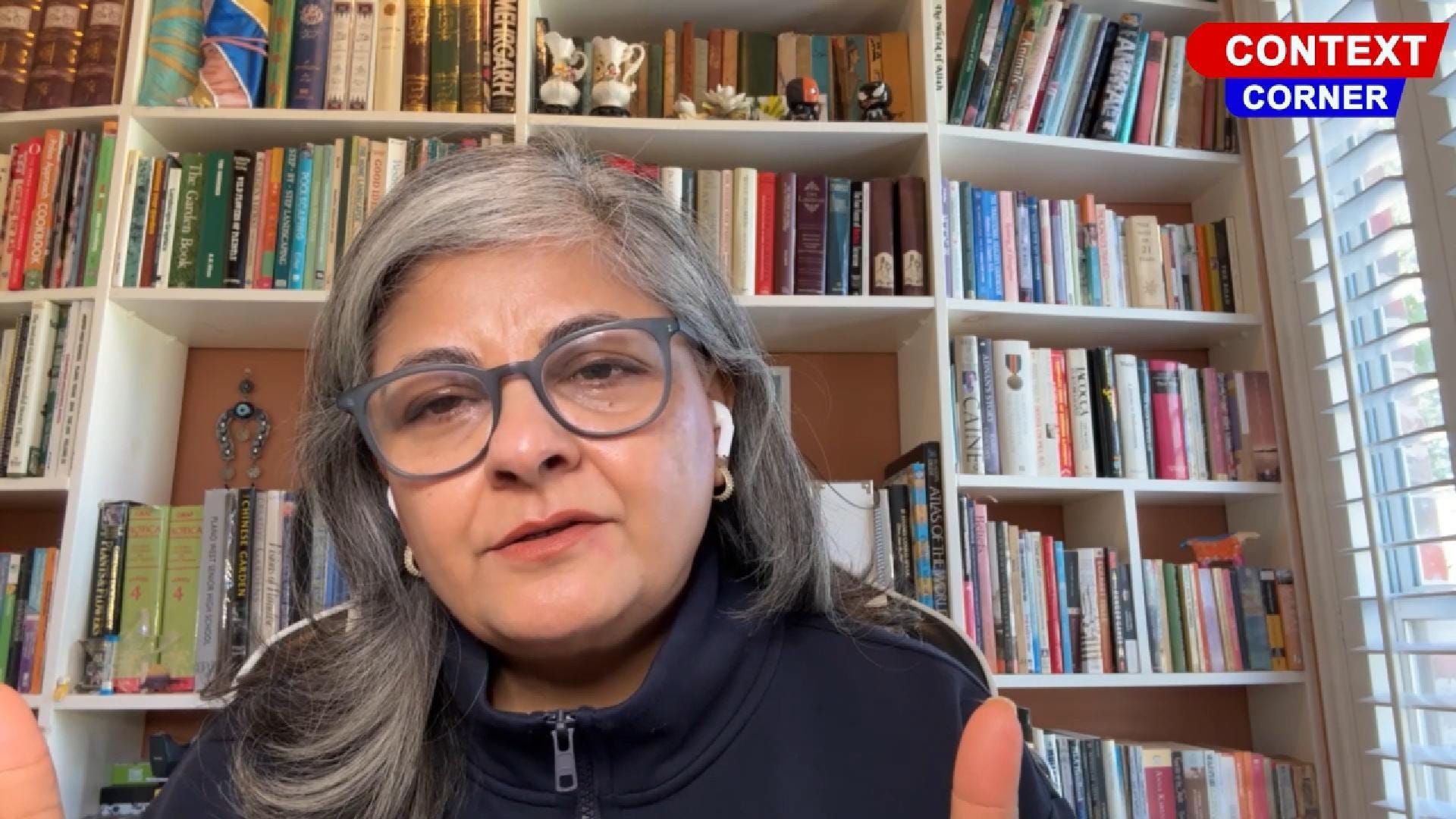
Texas Muslim Women’s Foundation (TMWF), a Plano‑based domestic violence agency serving Muslim and non‑Muslim survivors across North Texas, has been forced to shut down transitional homes, lay off half its social workers and operate on a thinner budget after federal grants were cut and then frozen during last year’s federal government shutdown, Executive Director Mona (Muna) Kafeel said in an interview this week. She said about 30–40 percent of the organization’s grant funding has been lost since 2025, even as calls for help have risen, including from out‑of‑state survivors whose local shelters have closed.
Funding Cuts Hit Core Services
TMWF relies on federal grants for roughly 60 percent of its roughly $3.5 million annual budget, covering staff salaries and the rent for shelters and transitional housing, rather than direct cash aid to clients, which is primarily supported through zakat and other charitable donations. Kafeel said the organization received formal notices that some multi‑year grants were terminated mid‑cycle and others were significantly reduced, including the loss of a 280,000-dollar-per-year grant and a 75,000-dollar reduction in another award, creating “a major dent” in operations.
To cope, the foundation closed some transitional homes and cut its team of social workers from 10 to 5, a 50 percent reduction that leaves remaining staff with caseloads of 30 to 40 clients each, well above the 25‑client load the agency considers sustainable for trauma‑heavy work. “We are trying to do more with less money and be more creative in raising funds,” Kafeel said, noting the agency reduced its overall budget from about 3.8 million dollars last year to 3.5 million dollars this year.
Shutdown Stalls Reimbursements, Demand Surges
The recent federal government shutdown compounded these pressures by pausing reimbursement‑based federal grant payments for about a month, even as TMWF kept operating as an essential, life‑saving service, Kafeel said. “We cannot tell our clients who are fleeing their home that we cannot serve because we do not have enough funding,” she said, likening the agency’s obligation to that of hospitals that must remain open.
During the shutdown period, which overlapped with the Thanksgiving season, TMWF saw an increase in calls from the East Coast and other states as smaller shelters lost funding or closed, and survivors searched online for alternatives. Nationally, domestic violence programs have warned that funding freezes and proposed cuts to key federal programs such as the Violence Against Women Act (VAWA), the Family Violence Prevention and Services Act (FVPSA), and related grants could force shelters to close beds, lay off staff, and suspend hotlines, advocates told outlets including The 19th and Ms. Magazine.
“Our funding is down, but our need has gone up for the past year.”
Mona Kafeel, Executive Director, Texas Muslim Women’s Foundation
National Funding Squeeze on Domestic Violence Programs
TMWF’s experience reflects a wider national contraction in support for domestic violence services. Funds available to victim‑services agencies from the federal Victims of Crime Act (VOCA) fell from 1.9 billion dollars in 2023 to 1.3 billion dollars in 2024, a cut of about 31 percent, prompting many providers to reduce staff and services, Ms. Magazine reported. Proposed federal budgets for fiscal years 2025 and 2026 would cut or reallocate hundreds of millions of dollars across VAWA, FVPSA, and Centers for Disease Control and Prevention programs, leaving culturally specific programs and housing supports particularly vulnerable, according to analyses by The 19th.
Shutdowns create additional disruption: during the current stoppage, 87 percent of Office on Violence Against Women staff were furloughed, slowing or pausing grants that support hotlines, legal services, and transitional housing nationwide, the National Partnership for Women & Families reported. On a single day in 2024, nearly 80,000 survivors sought assistance from local domestic violence programs in the United States, underscoring how funding delays can quickly translate into fewer safe beds and longer waits for help.
Staff Stretch to Cover Gaps
Inside TMWF, the remaining staff have taken on expanded roles to ensure continuity of care despite funding gaps. Kafeel said social workers are handling significantly larger caseloads, increasing the risk of burnout as they hear dozens of trauma narratives every day. One hotline worker volunteered to cover TMWF’s crisis line during the day and an affiliated San Antonio hotline at night after that partner agency could no longer afford its own hotline staff because of funding cuts, effectively turning TMWF into a call center for survivors in another city.
“If somebody is in need of help, we will do whatever it takes.”
— TMWF hotline worker, as recounted by Mona Kafeel
Despite these efforts, Kafeel said the current model “is not sustainable” over the long term and warned that chronic overwork could drive away experienced counselors at a time when demand is rising. National advocates have issued similar warnings, saying that repeated budget cuts and hiring freezes are “overburdening an already distressed system” and leaving survivors with fewer options, according to Ms. Magazine and Time.
Community Donations and Future Outlook
To offset federal shortfalls, TMWF has intensified local fundraising, including outreach to mosques, universities, youth groups, philanthropic families, and non‑Muslim donors in North Texas, Kafeel said. She described receiving a five‑figure check from a first‑time donor who wrote that she understood both the burden of operating a Muslim‑identified organization and the difficulty of addressing domestic violence, a gesture Kafeel said “really made me cry.”
Kafeel said she does not expect federal support to rebound in the next three years and is planning around a four‑year political cycle in which domestic violence services can be affected by shifts in administrations at both the federal and state levels. “Our plan is to survive and not decrease our services… We cannot shut down. Our doors cannot shut down,” she said, adding that long‑term stability will likely depend on broader community recognition that domestic violence work is a life‑saving, non‑partisan cause that requires sustained investment.