

Texas Political Landscape 2026, Abbott's Power Play, Democratic Revival, and the Latino Vote Swing Set Stage for Pivotal Year

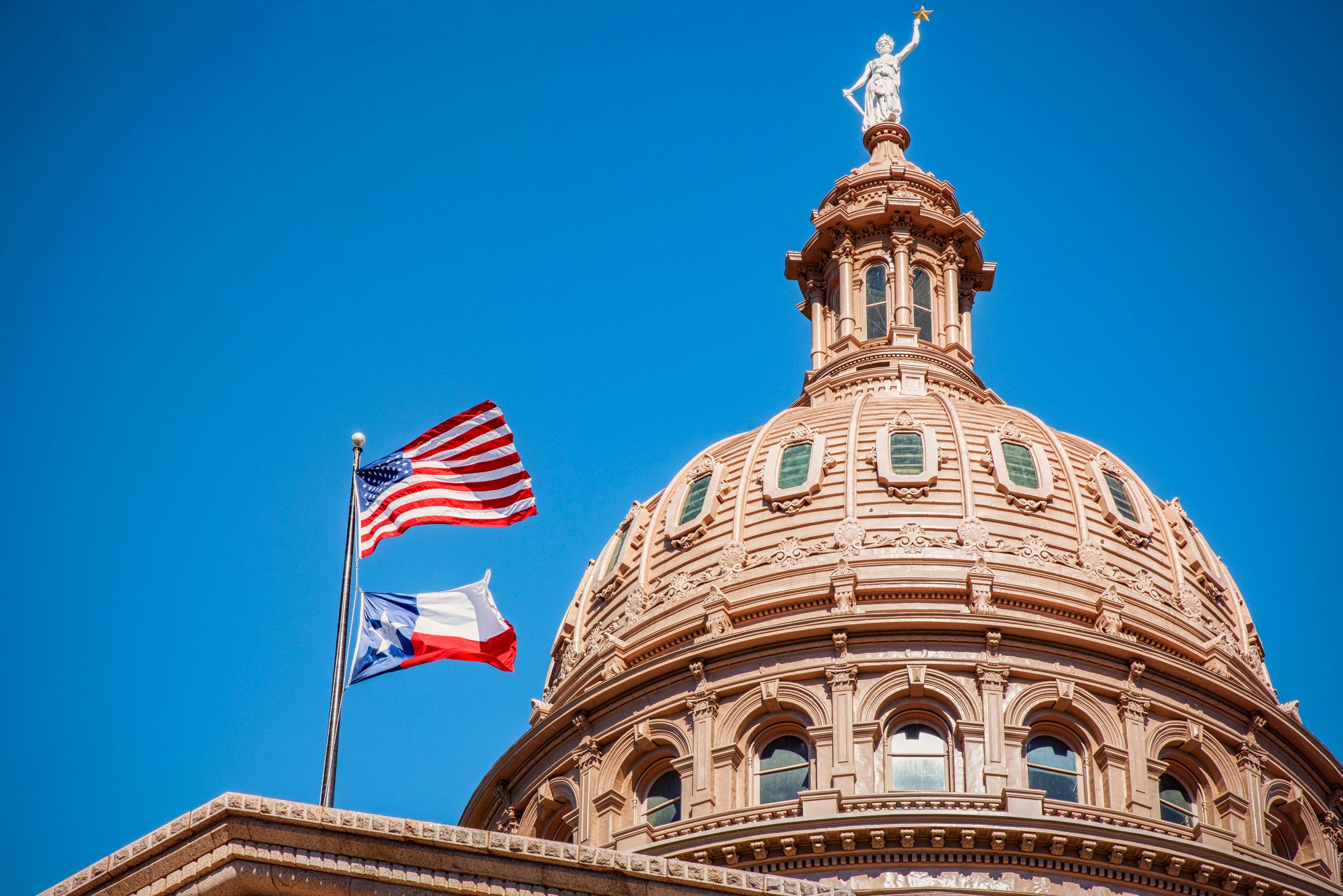
Texas faces a defining political year in 2026 as Governor Greg Abbott seeks an unprecedented fourth term while Democrats mount their most comprehensive campaign in decades to end a 31-year statewide losing streak, all against the backdrop of last year’s contentious redistricting battle and a dramatic shift in Latino voting patterns.
Abbott’s War Chest and Primary Strategy Take Center Stage
Governor Greg Abbott continues to wield both political influence and financial muscle as he campaigns for reelection, marking what would be a record fourth term for a Texas governor. According to Texas Tribune political reporters Kayla Guo and Alejandro Serrano, Abbott’s strategy of targeting Republican incumbents in primary races has evolved significantly since 2017, when his $40 million war chest first shocked the political establishment. The governor now faces multiple Republican primary challengers in March 2026, though political analysts expect Abbott to easily secure the nomination given his substantial campaign resources and incumbent advantage.
Abbott has also announced an aggressive plan to flip Harris County, Texas’s most populous county, to Republican control by recruiting GOP candidates to contest every state House seat, including traditionally blue districts. Dave Carney, Abbott’s chief strategist, confirmed the governor’s commitment to significant financial investment in this effort.
Democrats Field Candidates Across All Races
In an unprecedented organizational push, the Texas Democratic Party and Texas Majority PAC recruited 104 candidates to ensure Democrats compete in every congressional, state House, and state Senate race in 2026. “No Republican gets a free ride in Texas,” declared Texas Democratic Party Chair Kendall Scudder in an interview with the Texas Tribune. “If you are a Republican and you want to hold public office in this state, you’re going to have to fight us for it.”
The comprehensive strategy represents a dramatic departure from recent cycles, where Democrats left an average of 50 state and federal seats uncontested. Even in 2018, Democrats’ most successful recent midterm, the party left 20 seats uncontested. Matt Fischer, a Democratic organizer, told the Texas Tribune that after last year’s devastating losses, the party determined it needed to improve with “basically every single type of voter in every part of the state.”
The party relocated its headquarters from Austin to Dallas and opened four new offices in Houston, Amarillo, and Eagle Pass, with additional expansion planned for the Rio Grande Valley. This infrastructure investment represents Democrats’ most comprehensive organizational restructuring in decades as they confront a 31-year drought in statewide elections, with no Democrat winning statewide office since 1994.
U.S. Senate Race Reshapes After Allred Withdrawal
The Democratic primary for U.S. Senate underwent a dramatic reshaping when former Congressman Colin Allred withdrew from the race just hours before the filing deadline. Allred told CNN his exit was “best for the state and the party,” clearing the path for a primary contest between Dallas Congresswoman Jasmine Crockett and Austin State Representative James Talarico, who entered the race in September. The winner will face Republican incumbent John Cornyn in November’s general election.
Redistricting Aftermath and Latino Vote Volatility
The redistricting battle that dominated Texas politics in 2025 produced a new congressional map that gave Republicans control of 30 of 38 House seats representing 79% of districts, compared to Trump’s 56.2% statewide vote share in 2024. Governor Abbott signed the Trump-backed redistricting plan into law after Democrats attempted multiple quorum breaks to block the legislation.
However, the Republican strategy faces an unexpected challenge: shifting Latino voter attitudes. While Trump captured approximately 55% of the Latino vote in Texas during the 2024 election, a 13-point increase from 2020, political analysts informed Axios that “a decelerating economy, fears of immigration enforcement by federal agents, and ongoing inflation are threatening the progress the GOP has made with Latino voters in Texas”. Republican lawmakers increased the number of majority-Hispanic districts in response to the rightward shift, but Democratic revival among Latino voters could disrupt these carefully drawn maps.
Stakes and Future Implications
The 2026 midterm elections will test whether Democrats can translate their unprecedented organizational investment into electoral success or whether Abbott and Texas Republicans will extend their three-decade dominance. With all statewide offices on the ballot and newly drawn congressional maps in play, the outcomes will shape not only Texas politics but also control of the U.S. House of Representatives. As both parties prepare for what promises to be the most expensive and competitive midterm in Texas history, the key questions raised by the Texas Tribune about Abbott’s continued influence, Democratic viability, redistricting impacts, and Latino voter behavior will determine the state’s political trajectory for years to come.