

Texas School Choice Fight Deepens Muslim Community Concerns Over Fair Treatment
Attorney General’s withdrawal from TEFA lawsuits intensifies scrutiny of how Islamic schools are treated under the state’s $1 billion education program

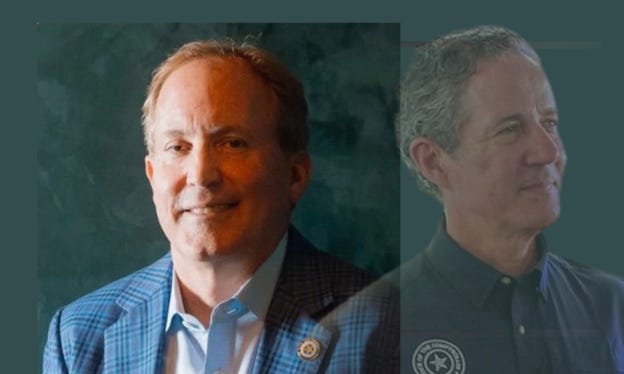
Texas Attorney General Ken Paxton announced Thursday that his office will withdraw from representing Acting Texas Comptroller Kelly Hancock in ongoing lawsuits tied to the Texas Education Freedom Accounts (TEFA) program—a move that further complicates legal battles already raising serious concerns within the Muslim community.
In a March 26 letter, according to the Dallas Express, Paxton said the breakdown in his office’s relationship with Hancock made it impossible to continue defending the state in litigation over TEFA, a $1 billion school choice initiative now facing allegations that Islamic schools were unfairly excluded.
While Paxton framed the dispute as a matter of internal dysfunction and political interference, Muslim advocates and families say the deeper issue is what the conflict reveals about how Islamic institutions are treated by the state.
“My office has worked tirelessly for the past several weeks to defend against lawsuits brought concerning your administration of the Texas Education Freedom Accounts (TEFA) program,” Paxton wrote, accusing Hancock of withholding critical information and communicating through public channels instead of cooperating privately with state attorneys. He claimed those actions “single-handedly destroyed” the state’s legal defense.
The attorney general said his office will continue representing other defendants in the TEFA lawsuits but will no longer serve as counsel for Hancock or the comptroller’s office.
Islamic Schools are at the Center of the Legal Dispute
The broader litigation challenging TEFA includes claims that Islamic schools were improperly excluded from the program—an allegation that has fueled concern among Muslim educators and parents who see school choice as a pathway to educational equity and religious freedom.
For Muslim families, the dispute is not just about bureaucratic infighting but about whether state officials are committed to applying education policy fairly across religious lines. Advocates argue that excluding Islamic schools from TEFA undermines both parental choice and constitutional protections.
Those concerns escalated earlier this week when Hancock publicly criticized Paxton’s handling of enforcement actions involving Houston Quran Academy and urged additional legal steps. Paxton responded by calling for Hancock’s removal, turning what began as a policy dispute into a high-profile political clash.
There has been heightened anxiety over enforcement and rhetoric. In his letter, Paxton also rejected Hancock’s claims that the attorney general’s office failed to enforce SB 17, a law restricting property ownership by foreign adversaries.
For many in the Muslim community, the repeated linkage of Islamic organizations to national security narratives—especially in the context of education and civil litigation—has deepened unease. Community leaders warn that such rhetoric, even when framed as legal enforcement, risks reinforcing suspicion toward Muslim institutions and chilling participation in public programs.
Trust and transparency are at stake
Paxton accused Hancock of undermining the state’s legal position by publicly disclosing information not included in court filings and making allegations without investigative detail. Hancock has not publicly responded to the latest letter.
As the TEFA lawsuits move forward, Muslim families and school leaders say the outcome will signal whether Texas is willing to uphold equal access to public benefits—or whether political conflict will continue to overshadow the rights of minority communities.
For Islamic schools seeking inclusion in TEFA, the question is no longer just about funding, but about trust: trust that the state will apply its laws consistently, protect religious freedom, and treat Muslim institutions as equal partners in Texas’ educational future.