


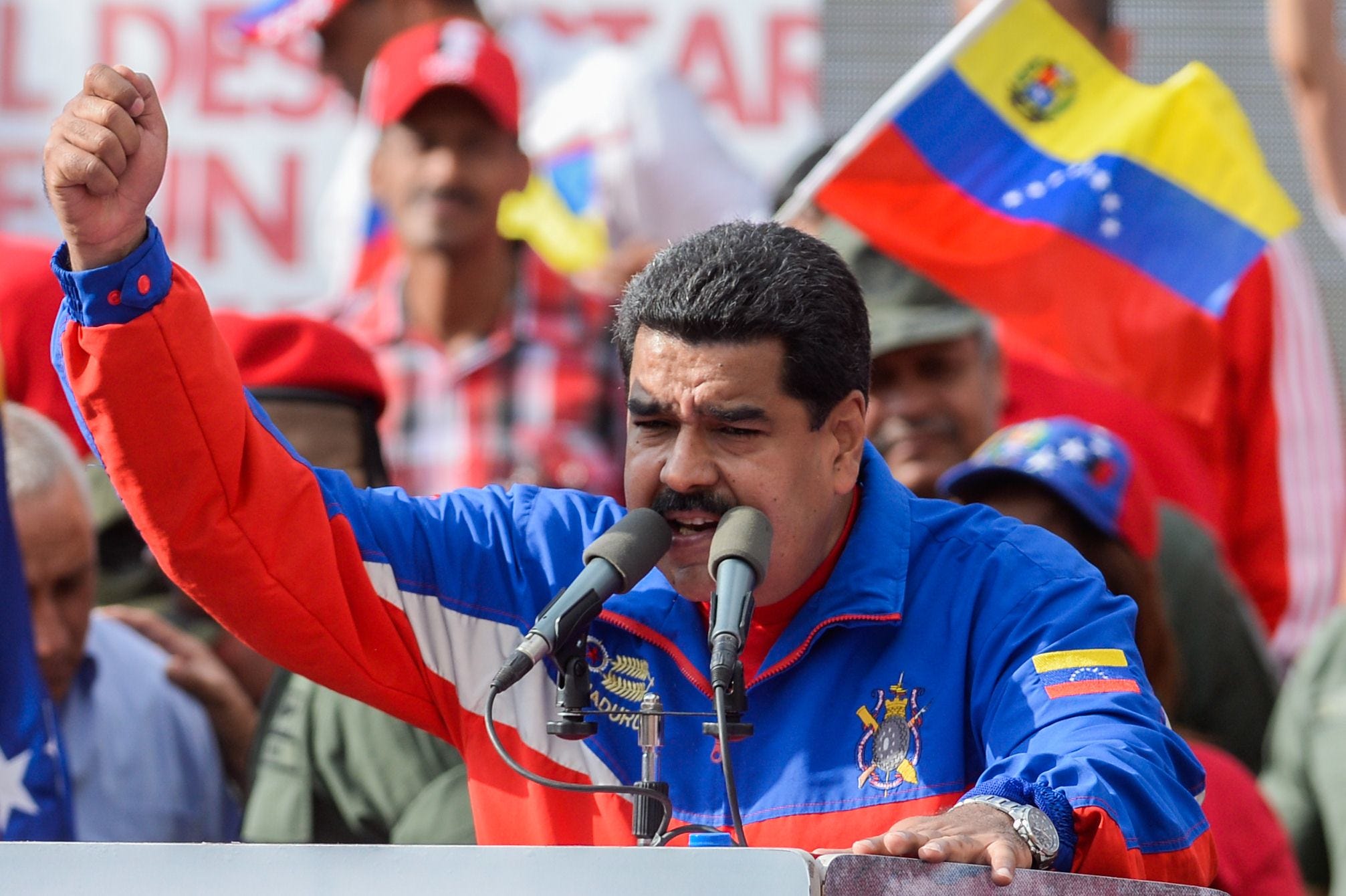
Venezuelans across Texas took to the streets in sharply divided demonstrations following the unprecedented U.S. military strike on Venezuela that resulted in the capture of President Nicolás Maduro on January 3, 2026, reflecting a deep fracture within the diaspora community over American intervention in their homeland.
Celebrations and Cautious Hope in Houston’s Venezuelan Heartland
Houston, home to the third-largest Venezuelan immigrant population in the United States, with more than 50,000 migrants, became a focal point for both celebration and protest. In the Katy area—colloquially known as “Katy-zuela” for its dense Venezuelan community, dozens gathered outside a Latin American grocery store Saturday night, waving Venezuelan flags and dancing as news broke of Maduro’s detention.
Miluixsy Miranda, 27, who arrived in the U.S. two and a half years ago after spending seven years as an immigrant in Panama, led a conga line in the parking lot as music blared from car speakers, according to Houston Public Media. “Being an immigrant has been really difficult for many of us, but we’re happy it’s a miracle from God,” Miranda said in Spanish.
“It’s a lot of emotions, you know, altogether happiness, but at the same time, a little worry, and we’re a little nervous.” Hector Machuca, a Venezuelan immigrant who moved to the U.S. in 2016
Hector Machuca, 44, who relocated with his wife and two children in 2016, expressed cautious optimism about his homeland’s future, telling reporters: “We’re excited because this is the beginning of the end. This is all just the start of something that is going to be bigger than us”.
Counter-Protests Condemn U.S. Intervention
While celebrations unfolded in Katy, protesters lined the intersection near Houston’s Galleria Mall on Sunday afternoon, holding signs reading “No blood for oil” and “Hands off Venezuela”. The demonstration, organized by the Party for Socialism and Liberation and Democratic Socialists of America, drew comparisons to U.S. military interventions in Iraq and Afghanistan.
Rachel Domond, one of the protest organizers, told FOX 26 Houston: “This is really just the beginning. We’re going to keep fighting. We’re going to keep organizing. We’re going to keep educating our people about the reality of the situation”. She added that war “doesn’t benefit anybody except for politicians, wealthy politicians and, you know, oil executives and whatnot. Not working-class people”.
Similar scenes played out across North Texas, where grassroots organizations rallied at Main Street Garden Park in downtown Dallas on Saturday evening, according to CBS News Texas. Protesters chanted “No more coups, no more wars, Venezuela isn’t yours!” and called for Maduro’s release, carrying signs that read “End American Imperialism” and “Free President Maduro”.
The Military Operation and Its Aftermath
U.S. forces carried out what President Donald Trump called a “large-scale strike against Venezuela” in the early hours of January 3, with explosions reported in Caracas and surrounding areas as Delta Force operatives seized Maduro and his wife, Cilia Flores, from their residence at the high-security Fort Tiuna military compound. The couple was subsequently flown to New York and detained at the Metropolitan Detention Center in Brooklyn, where they face federal charges related to drug trafficking and working with gangs designated as terrorist organizations, charges Maduro denies.
According to The New York Times, more than 150 U.S. aircraft bombed infrastructure across northern Venezuela in support of the apprehension force. The operation, codenamed “Absolute Resolve,” resulted in at least 80 civilian and security force casualties, according to a senior Venezuelan official cited by the Times.
“It’s important to understand the context of how we got here. It’s been 25 years of this situation where we’ve had to endure hardships and human rights violations.” Carlos Ruiz, a Venezuelan, is celebrating in Katy
A Community Caught Between Two Worlds
The conflicting demonstrations underscore the complex emotions within the Venezuelan diaspora, many of whom fled Maduro’s authoritarian rule but remain wary of U.S. military intervention. Travis Lejune, who attended the Houston protest, told reporters: “U.S. intervention is what’s causing this. And so, us coming in and illegally kidnapping the dictator isn’t the answer”.
Venezuelan Vice President Delcy Rodríguez, who was sworn in as interim president following Maduro’s capture, condemned the operation as “barbaric” and an “illegal and illegitimate kidnapping,” calling for Maduro’s immediate release. Trump stated the U.S. would “run” Venezuela temporarily and that American companies would take over the country’s oil infrastructure, a claim that has intensified debate over Washington’s true motives.
Carlos Ruiz, celebrating in Katy, offered a different perspective to FOX 26, describing Maduro’s capture as “the close of a huge chapter in Venezuelan history” after 25 years of human rights violations documented by international organizations.