

The Right to Be Different: A Civil Rights Reckoning for Muslim Americans
CAIR’s 2026 report reveals how discrimination, political rhetoric, and legislative pressure shaped Muslim life in the United States during 2025

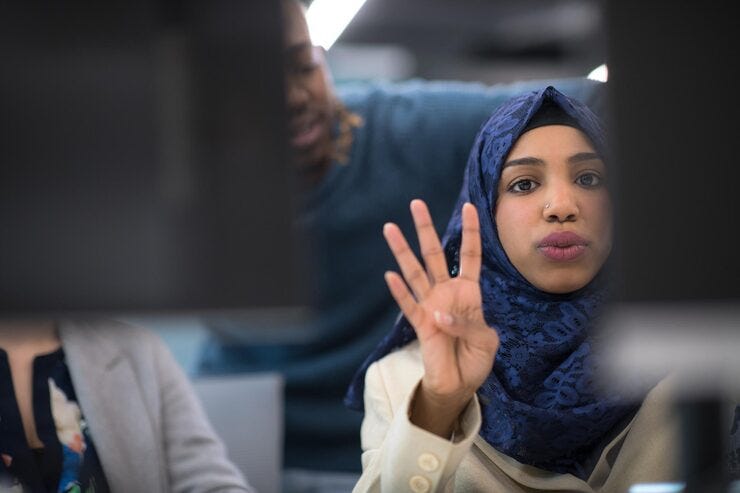
CAIR’s 2026 report reveals how discrimination, political rhetoric, and legislative pressure shaped Muslim life in the United States during 2025
In March 2026, the Council on American‑Islamic Relations released a document that reads less like an abstract policy study and more like a national mirror.
Titled The Right to Be Different, CAIR’s 2026 Civil Rights Report chronicles what Muslim Americans experienced across the United States during 2025—not in anecdotes alone, but through the weight of 8,683 civil‑rights complaints submitted from communities nationwide.
The report paints a picture of a year marked by heightened vulnerability.
According to CAIR’s findings, anti‑Muslim narratives increasingly entered public discourse, amplified by political rhetoric that framed Muslim identity as suspect or incompatible with American life. These narratives did not remain abstract. They filtered into policy debates, public spaces, and everyday interactions, shaping how Muslim Americans were perceived and treated.
One of the report’s central themes is the growing use of legislation to regulate or restrict Islamic religious practices. CAIR documents how proposed and enacted laws affected worship, dress, and community institutions, raising broader constitutional questions about religious freedom. For many affected communities, these measures were not isolated legal disputes but part of a wider pattern of exclusion.
Geography also mattered. The report identifies specific “hotspots” where complaints surged, suggesting that local political climates and social tensions played a significant role in shaping lived experiences. In these areas, Muslim Americans reported higher levels of harassment, discrimination, and barriers to full civic participation.
Another critical dimension explored in the report is free speech. CAIR argues that Muslims often faced a double bind: subjected to hostile expression while simultaneously encountering constraints when advocating for their own rights or speaking out against discrimination. This dynamic, the report suggests, narrowed the space for equal participation in public debate.
Media coverage quickly followed the report’s release. Al Jazeera summarized CAIR’s findings as evidence of a “broad attack on Muslim life,” underscoring that the data reflected systemic trends rather than isolated incidents.
Importantly, this coverage drew directly from CAIR’s research, reinforcing the report’s central conclusions rather than introducing new studies.
What stands out most is what did not accompany the report’s release. No new Pew Research Center or university‑led quantitative studies emerged in the same period, leaving CAIR’s report as the sole newly released, U.S.‑based research focused on Muslim civil rights at that moment.