


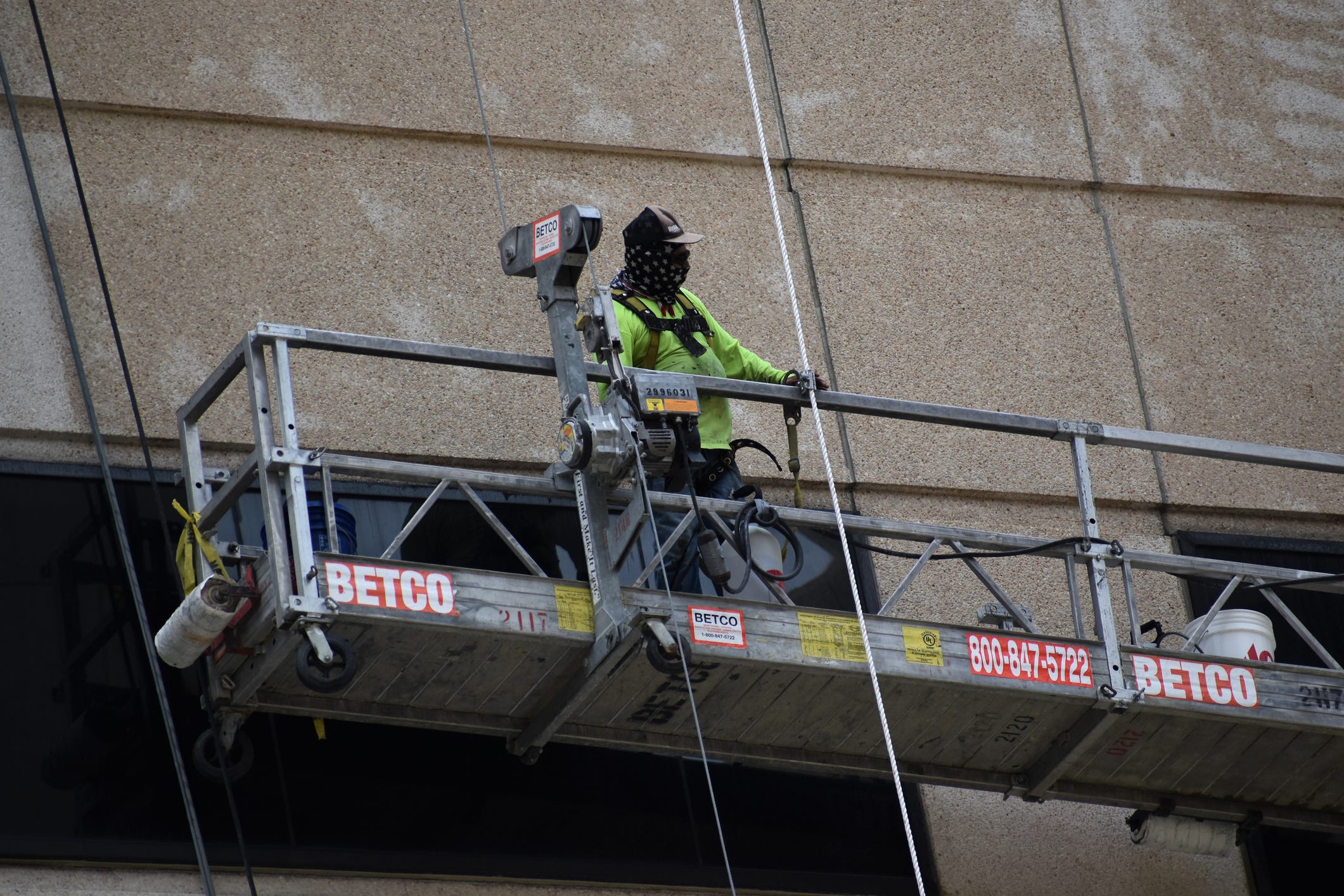
Homebuilders in South Texas say stepped‑up immigration raids are draining construction sites of workers, slowing housing projects and threatening to drive up prices across the Rio Grande Valley and beyond, following a surge in arrests by U.S. Immigration and Customs Enforcement (ICE) since early 2025. Industry leaders report that contractors cannot keep crews staffed as workers stay home out of fear, even when they have legal authorization, raising alarms about the region’s capacity to meet strong demand for new homes.
Raids Reshape a Key Regional Industry
Planetizen highlighted the South Texas situation in late December 2025, reporting that builders now say “there’s no labor” to keep developments on schedule after ICE operations intensified at job sites. The planning news outlet flagged original reporting from The Texas Tribune that documented how videos of ICE agents detaining workers pouring concrete in McAllen triggered public concern among builders and local officials.
According to data obtained by The Texas Tribune through a Freedom of Information Act request, ICE has arrested more than 9,100 people in South Texas since President Donald Trump took office in January 2025, nearly one‑fifth of all such arrests statewide. Economists interviewed by the Tribune warned that with fewer workers available, construction delays are likely to reduce the supply of new homes and put upward pressure on prices in a state already grappling with affordability.
“Our people are hurting, our businesses are hurting. There’s no labor.” — Mario Guerrero, South Texas Builders Association.
“Construction Can’t Continue”, Builders and Workers Speak Out
Mario Guerrero, executive director of the South Texas Builders Association, posted a November video on Facebook calling on local leaders after watching footage of ICE detaining workers at a neighborhood construction site in the Rio Grande Valley. “It’s time that we have our leaders show up,” he said in the video, adding, “Our people are hurting, our businesses are hurting. There’s no labor.”
At a subsequent meeting in Pharr, more than 380 people from across the construction and development sector described projects stalling as crews shrink. “Business is down significantly,” Ronnie Cavazos, board president of the South Texas Builders Association, told attendees, warning that “if we continue on this trajectory, we will see a lot of businesses fail.” Isaac Smith, co‑owner of Matt’s Building Materials, told The Texas Tribune that “if job sites are getting raided, at any level, the construction can’t continue,” citing double‑digit sales declines and more late payments from builders.
Workers report steep income losses as they avoid job sites where raids might occur. A 42‑year‑old construction worker identified only as Jesus, who is undocumented, told the Tribune he now earns roughly 60 percent less than before the raids: “We hardly work anymore; we’re afraid to go out into the street… We don’t look for work because we’re scared.”
Data Show Labor Shock in a Sector Dependent on Immigrants
Regional labor statistics underscore the scale of the disruption. Data from the Federal Reserve Bank of Dallas show a 5 percent drop in construction jobs in South Texas in the third quarter of 2025, the most significant decline among major industries in the region, The Texas Tribune reported. An Insurance Journal summary of the Tribune’s findings noted that builders and suppliers now fear that continued enforcement could force some companies to close.
The construction sector’s reliance on immigrant labor means such raids have outsize effects. A national analysis by the Center for Migration Studies and other researchers, cited by the Urban Institute, estimates that 1.7 to 1.8 million undocumented workers are employed in construction across the United States. In Texas, immigrants hold more than one in five jobs overall and an even higher share in construction, with one American Immigration Council estimate indicating that roughly 23 percent of Texas construction workers are undocumented.
Researchers warn that past crackdowns offer clues to potential longer‑term impacts. A study of the Obama‑era Secure Communities program, referenced by The Texas Tribune and construction‑industry outlets, found deportations reduced construction labor nationwide by 2 to 3 percent, cut new home construction by about 5.7 percent, and pushed prices for the homes that were built up by roughly 4.4 percent. “Given the current pace of deportations, it is reasonable to expect that shortages in construction labor and housing will become more severe,” said Dayin Zhang, an assistant professor at the Wisconsin School of Business, in comments reported by the Tribune.
“If job sites are getting raided, at any level, the construction can’t continue.” — Isaac Smith, Matt’s Building Materials.
National Echoes and Policy Debate
Construction‑industry publications such as Construction Dive and Construction Owners Report say similar stories are emerging far beyond South Texas, with contractors nationwide reporting more no‑shows and rising uncertainty around staffing as immigration enforcement actions expand. One recent article on ConstructionOwners.com, citing The Texas Tribune’s data, reported that builders fear prolonged shortages will delay infrastructure and housing projects and drive housing costs higher amid strong demand.
Policy analysts argue that large‑scale deportations risk deepening an already chronic shortage of construction labor. The National Immigration Forum and other groups note that more than one in ten construction workers nationwide are undocumented and that tightening enforcement without expanding legal pathways for workers could undermine efforts to increase housing supply.
Housing, Labor, and Enforcement Collide
Local builders in South Texas are urging state and federal leaders to balance immigration enforcement with the workforce realities of a construction sector that depends heavily on immigrant labor. Guerrero has met with U.S. Rep. Henry Cuellar and briefly with Gov. Greg Abbott to push for attention to the issue, according to The Texas Tribune, and has invited more elected officials to future builders’ meetings.
Economists and housing researchers say the trajectory will depend on how long the current level of ICE activity continues and whether policymakers adjust visa rules or enforcement priorities. For now, South Texas homebuilders warn that without action, labor shortages could persist into the coming building seasons, slowing growth and putting additional pressure on families searching for affordable homes.