

University leaders alarmed by the Texas ban on skilled foreign workers
Governor Abbott’s freeze on new H-1B visa petitions labelled 'reckless'

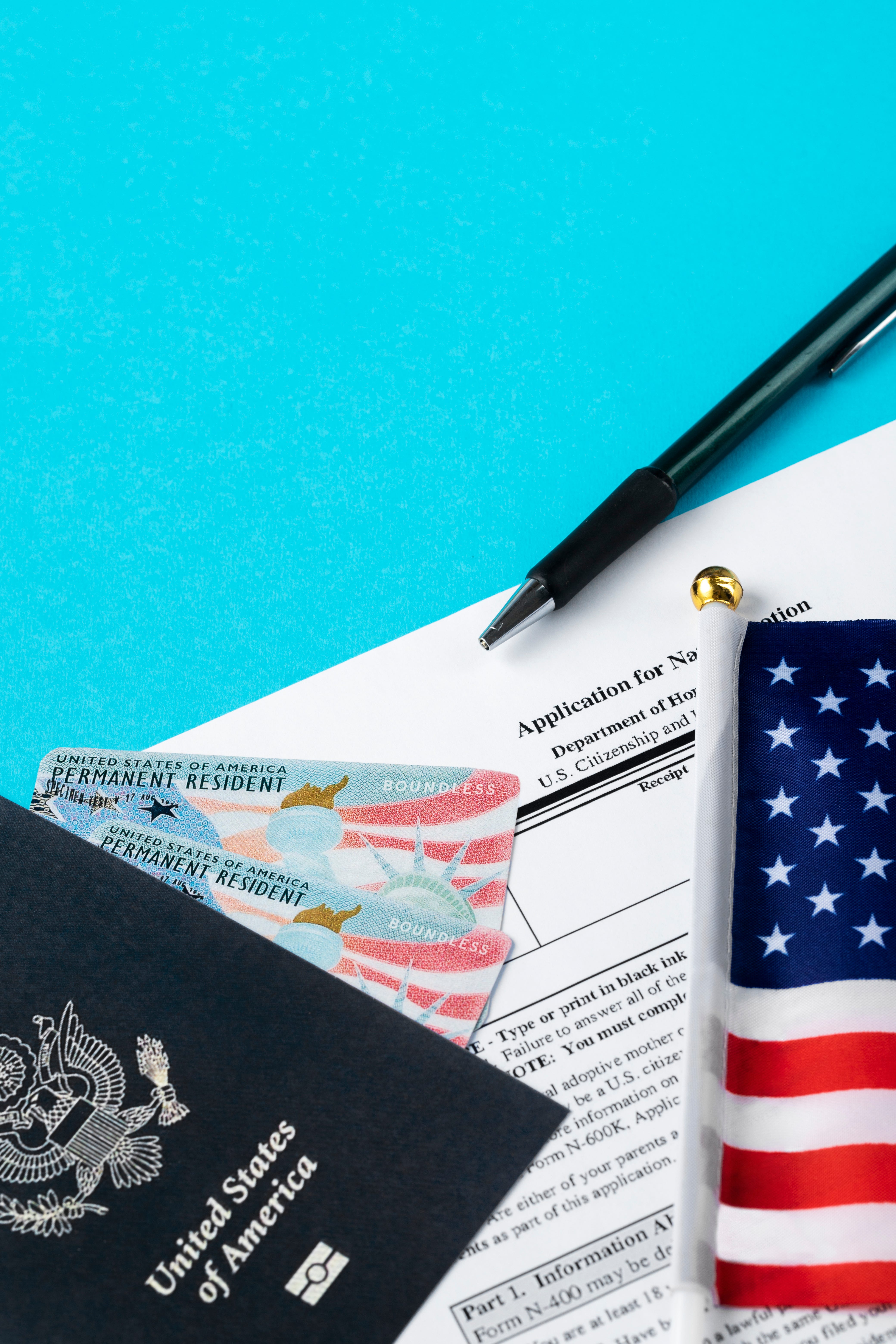
National higher education leaders have voiced alarm at Texas Governor Greg Abbott’s decision to freeze H-1B visas, allowing foreign workers with special skills to work in the United States, and order state agencies – which include the public universities and colleges – to cease applying to the federal government for H-1B visas.
“Those, again, are the type of people that the Trump administration is trying to remove” from the country, Abbott told Mark Davis, host of a conservative radio show in Dallas, Texas, in an interview, referring to H-1B visa holders.
The freeze, ordered on 27 January, threatens to undermine Texas’ education system and severely hurt its economy, warn national organisations like the President’s Alliance on Higher Education (PAHE) and the Association of International Educators, NAFSA.
In addition to the freeze, University World News reports that educators are rattled by Abbott’s demand for comprehensive data from public universities and K-12 schools on employees working under H-1B visas.
A nationalist pose
“Rather than serving its intended purpose of attracting the best and the brightest individuals from around the world to our nation to fill truly specialized and unmet labor needs, the programme is too often used to fill jobs that otherwise could – and should – have been filled with Texans,” said Abbott.
Chris Bryan, vice-chancellor for marketing and communications in the Texas A&M University System, told University World News in a statement that the university was “fully complying” with Abbott’s directive.
“The Texas A&M University System appreciates Governor Abbott’s leadership on this issue. Consistent with recent federal changes to the H-1B programme, the System had already discontinued sponsorship of new H-1B petitions that would require payment of the newly implemented US$100,000 federal fee.
“We have received Governor Abbott’s directive ordering a freeze on new H-1B visa petitions at Texas public institutions of higher education, and we are fully complying with that directive.
Undermining the workforce
However, both the American Association of University Professors (AAUP) local branch at Texas A&M (College Station, Texas) and the national AAUP have rejected Abbott’s assertions.
In a press release, Dr Brian Evans, president of the Texas conference of AAUP, said in part: “Regardless of background, Texas professors drive innovation and prepare the next generation of leaders to join the workforce. Messing with the H-1B system was a bad idea when President Trump first tried it. It’s even more reckless when it’s a governor undermining his own state’s workforce.”
Evans said the order would “hurt the student experience and diminish the value of teaching and research at Texas institutions of higher education. Nowhere will that impact be more pronounced than in our world-class university medical centres.
“Patients don’t care where their doctors and nurses are from, as long as they’re getting the best possible care. Texas needs its public universities to continue being the economic engines driving the state, not mere vehicles for Governor Abbott’s political agenda.”
Of the 4,300 faculty members at Texas A&M, 210 or 4.8% are H-1B visa holders. Similar numbers are available at other institutions in the state.
Broader policy trend
What Abbott’s aim to reduce the number of H-1B visa holders in Texas will do to the state’s higher education systems also alarms Fanta Aw, executive director and CEO of NAFSA; Miriam Feldblum, PAHE’s president and CEO; and Lynn Pasquarella, president of the American Association of Colleges and Universities (AAC&U).
“Texas has a lot to lose from chasing away global talent given the importance of its oil industry, medical fields, and other aspects of its economy that rely on specialised knowledge and skills.”
Aw concluded by noting that the “recent changes to the H-1B process [which include the increase from US$5,000 to US$100,000 [the amount] employers must pay to petition for the visa] already make it very hard to access; to erect more barriers will further hurt Texas and the US competitiveness”.
Feldblum told University World News that it was “dismaying” to see Texas undercut some of the strengths it has in recruiting and retaining international talent.
“Over the past decade, Texas has been among the top states retaining their international students. Over 60% of international students who’ve studied in Texas have also stayed in Texas on Optional Practical Training, a federal programme that allows graduates to work for a year in their field of study.
“H-1B visa holders are actually a very small proportion of the employees in any public institution. And at the same time, what the research shows is that the contributions of H-1B visa holders on campuses, as with other employees, state agencies or local employers, have been significant.
“They actually create more opportunities for American workers, for American professionals, for research and innovation. So, as with international students, their proportions are actually relatively small, [and] their contributions are outsized,” she said.
For her part, Pasquerella said in an interview with University World News: “Abbott has framed this as a job protection and accountability measure, saying he wants Texas dollars to prioritise Texans. However, it’s politically consistent with this broader policy trend that Republican supporters of the Trump administration have been following.”
Abbott’s order follows by three months a similar one aimed at Florida’s universities by the state’s Republican governor, Ron DeSantis.
An issue of immigration
Abbott and Davis’ discussion about H-1B visas on the Mark Davis Show followed a conversation about Trump’s immigration crackdown in Minneapolis, Minnesota.
Even though H-1B holders are legally in the country (having had their employer’s petition accepted by the federal government), Abbott rhetorically linked them to illegal immigration during the Biden presidency.
Abbott’s smearing of H-1B visa holders is deeply concerning to a Texas A&M professor who spoke to University World News on condition of anonymity.
“The implication is that the H-1B holders are not meritorious in terms of their educational credentials and expertise, and that’s not true. The other implication is that they’re criminals and therefore don’t need to be in the country, which isn’t true.
“In fact, these people undergo a criminal record check and have to submit a large amount of paperwork which is carefully scrutinised. They’re not criminals. They are deserving of the job. They’re not getting special treatment, and they’re not an overwhelming number of the faculty, graduate students or postdocs, either.
“I think that this is blowing hot air to his base and reproducing baseless accusations about the criminality of non-citizens,” the professor said.
Pasquerella told University World News that Abbott’s statement about targeting “people that the Trump administration is trying to remove” indicates a broader crisis.
“In this moment of fear and distrust that has been exacerbated by what’s happening in Minneapolis around the federal enforcement, that statement reflects this larger anti-immigrant stance that fuels the rising public concern about immigration related to power and oversight that is being inflicted on the citizens and those who want to live in the United States.”