

Waymo Rolls Out Driverless Taxi Service in Dallas Amid Safety Scrutiny
Autonomous taxi service is now available to a limited group of riders in Dallas who previously joined the app’s waitlist.

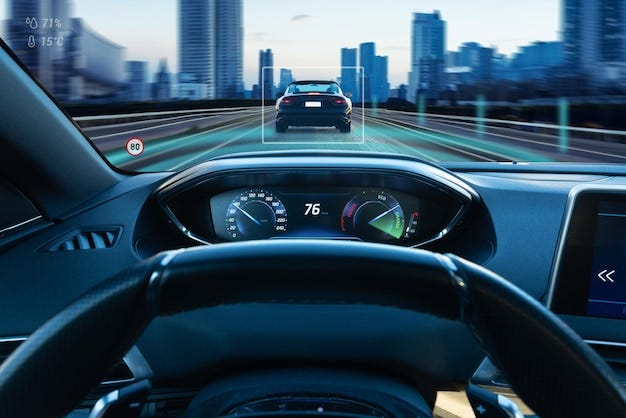
Waymo has officially launched its driverless taxi service in Dallas, marking another major expansion for the self-driving car company. While the rollout has generated excitement around the future of transportation, it is also drawing attention to ongoing safety concerns tied to the technology.
The Brief
Waymo’s autonomous taxi service is now available to a limited group of riders in Dallas who previously joined the app’s waitlist. A broader public launch is expected later this year. The expansion comes as the company faces scrutiny following safety incidents in other cities, including reports that Waymo vehicles failed to stop for school buses and to follow police hand signals.
Federal regulators are also investigating a recent incident in Santa Monica, California, where a Waymo vehicle struck a child in a school zone. The child sustained minor injuries.
Waymo Arrives in Dallas
Dallas residents eager to try the service can download the Waymo app and add their names to the growing waitlist. Waymo says availability will gradually expand over the coming months until the service is open to the general public.
The company says fares in Dallas are comparable to those of traditional ride-hailing services with human drivers.
“Today, we are so excited to be welcoming our first public riders into our Waymo service here in Dallas,” said Chris Bonelli, a spokesperson for the company.
Dallas Mayor Eric Johnson welcomed the launch, calling it a step forward in the city's innovation.
“Dallas is excited for Waymo to launch operations in our city, providing residents and visitors with new, innovative transportation options,” Johnson said. “We are committed to putting public safety first while building a more connected city.”
Safety Questions Persist
While a preview ride through downtown Dallas was largely smooth, Waymo’s track record in other cities has raised concerns.
In San Francisco, a widespread power outage recently caused several Waymo vehicles to shut down in intersections, blocking traffic. In Austin, police have reported that some robotaxis failed to follow officers’ hand signals and drove into restricted construction zones.
Austin Independent School District has also released videos showing Waymo vehicles illegally passing school buses with flashing red lights and deployed stop arms.
“One incident is too many,” said Lt. Will White of the Austin Police Department. “A system that’s supposed to be safer than humans should not be missing something as basic as a school bus stop arm.”
Federal Investigation Ongoing
The National Highway Traffic Safety Administration is currently investigating whether a Waymo vehicle exercised appropriate caution while driving in a Santa Monica school zone last month. In that incident, a child was struck but suffered only minor injuries.
Bonelli said Waymo is cooperating with investigators and emphasized the company’s safety data.
“Our analysis shows the service we’re offering is significantly less likely to be involved in a pedestrian collision compared to human drivers,” he said.
A Higher Bar for Autonomy
As Waymo expands into new cities like Dallas, public expectations remain high for the technology the company promotes as “the world’s most experienced” autonomous driving system. While supporters see driverless taxis as a glimpse into the future of transportation, critics say even isolated failures raise serious questions when public safety is involved.