

Who is Keith Self Playing a Double Game with: Muslims or Republicans?
Betrayal and Backlash: Texas Muslims Confront Self’s Political Double-Dealing and Rising Hostility

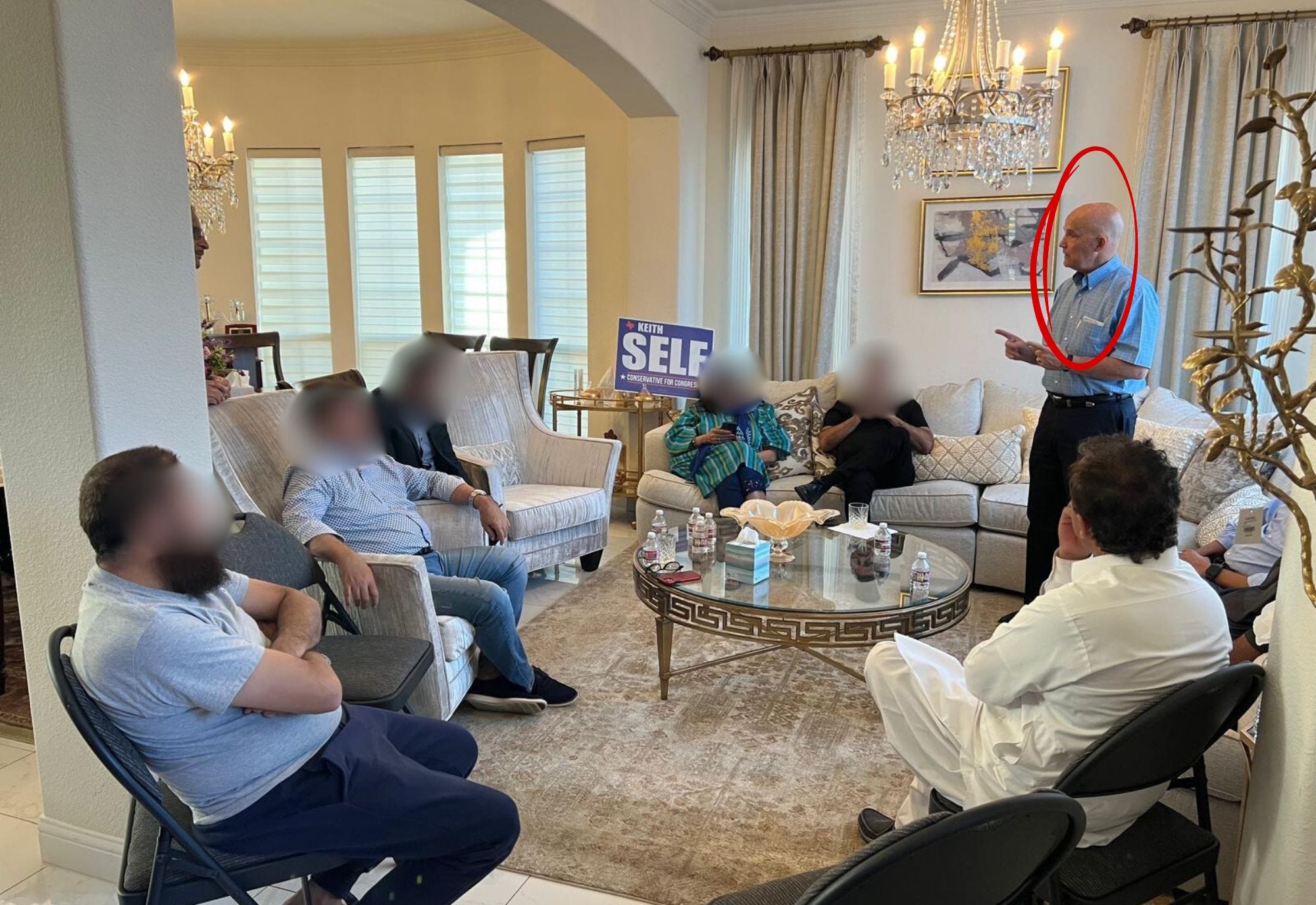
From Campaign Promises to Public Condemnation— Congressman Keith Self and State Leaders Have Fueled a Climate of Fear and Legal Battles for Texas’s Muslim Community.
In recent months, members of the Texas Muslim community have reached out in growing numbers to Context Corner, compelled by fear and a sense of betrayal.
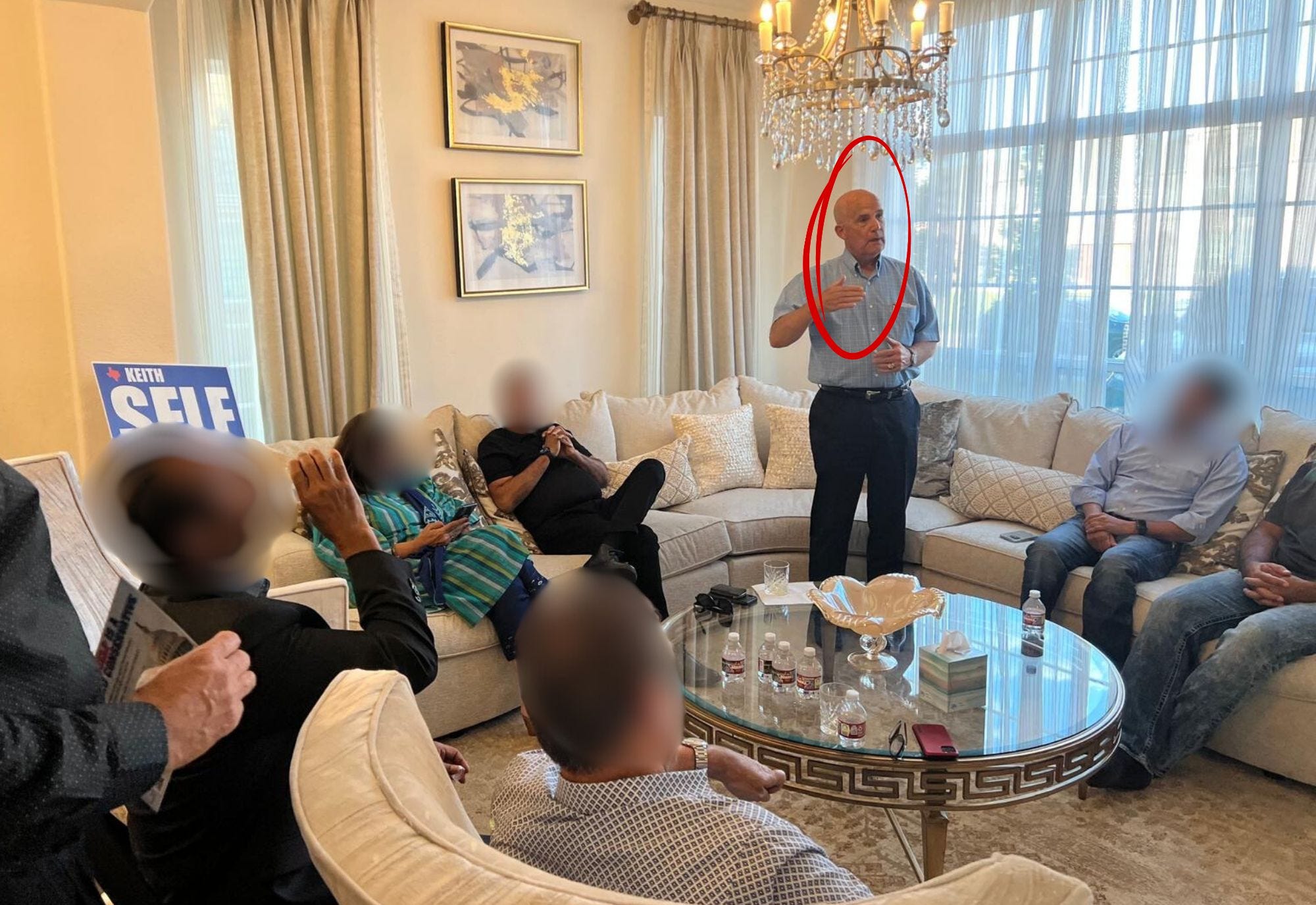
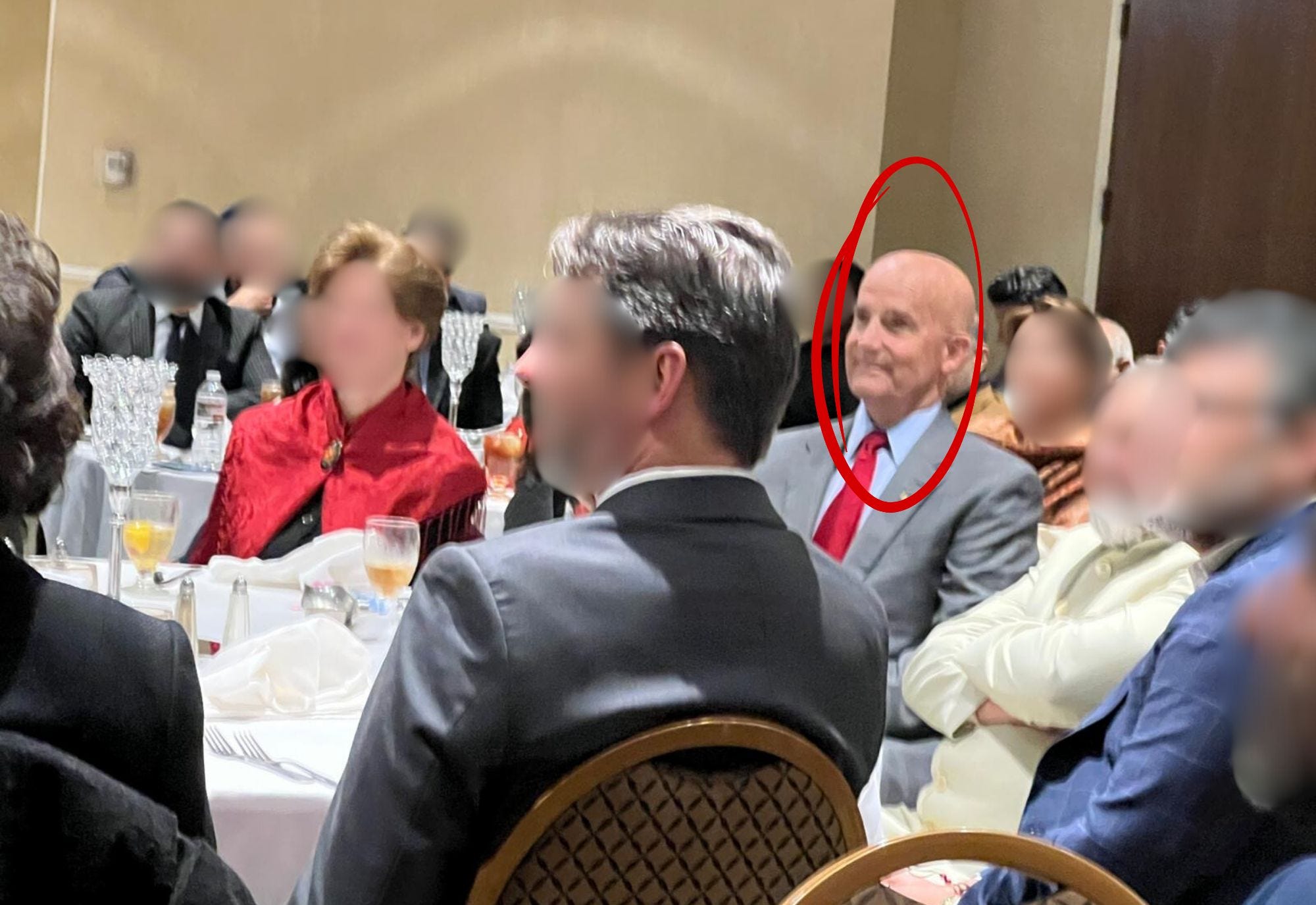
They have shared photographs—faces blurred for safety—documenting their meetings with Congressman Keith Self, a figure now at the center of controversy for what many describe as political double speak and exploitation.
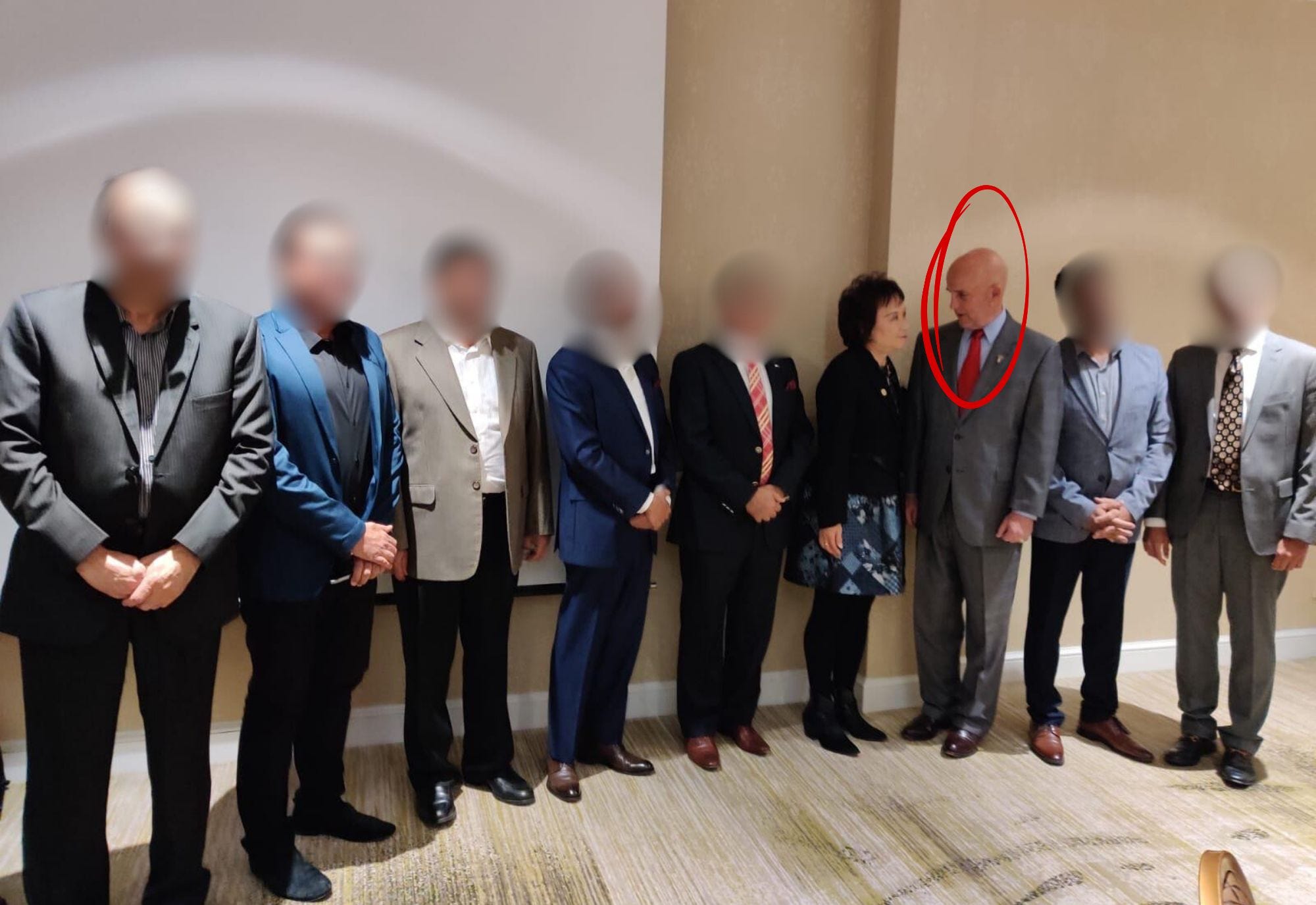
These images are not mere mementoes; they are evidence of a sustained campaign. During his 2022 run for Congress, Self aggressively courted Texas Muslims, attending events at the East Plano Islamic Center (EPIC), visiting Muslim homes, raising campaign funds from Muslim donors, and making private assurances behind closed doors. These were not isolated gestures but part of a deliberate strategy to secure votes, funding, and legitimacy within the community.
Yet, those who once welcomed Self now speak on condition of anonymity, fearing repercussions. They describe a profound sense of betrayal, as Self’s public rhetoric has turned sharply against the very community he once courted. “This isn’t a misunderstanding,” said one organizer. “It’s a pattern—private reassurance, public condemnation”.
From Ally to Adversary: The Shift in Rhetoric
Critics argue that Self’s actions go beyond a change in political stance; they represent a calculated exploitation of a minority community for personal and political gain. After accepting Muslim votes, donations, and hospitality, Self is now accused of weaponizing Islamophobia to advance his career. In Washington, he has positioned himself as a leading opponent of Sharia law, co-founding the so-called “Sharia-Free America Caucus” and portraying Islam as a threat to American values. Detractors see this as a textbook case of political double-dealing.
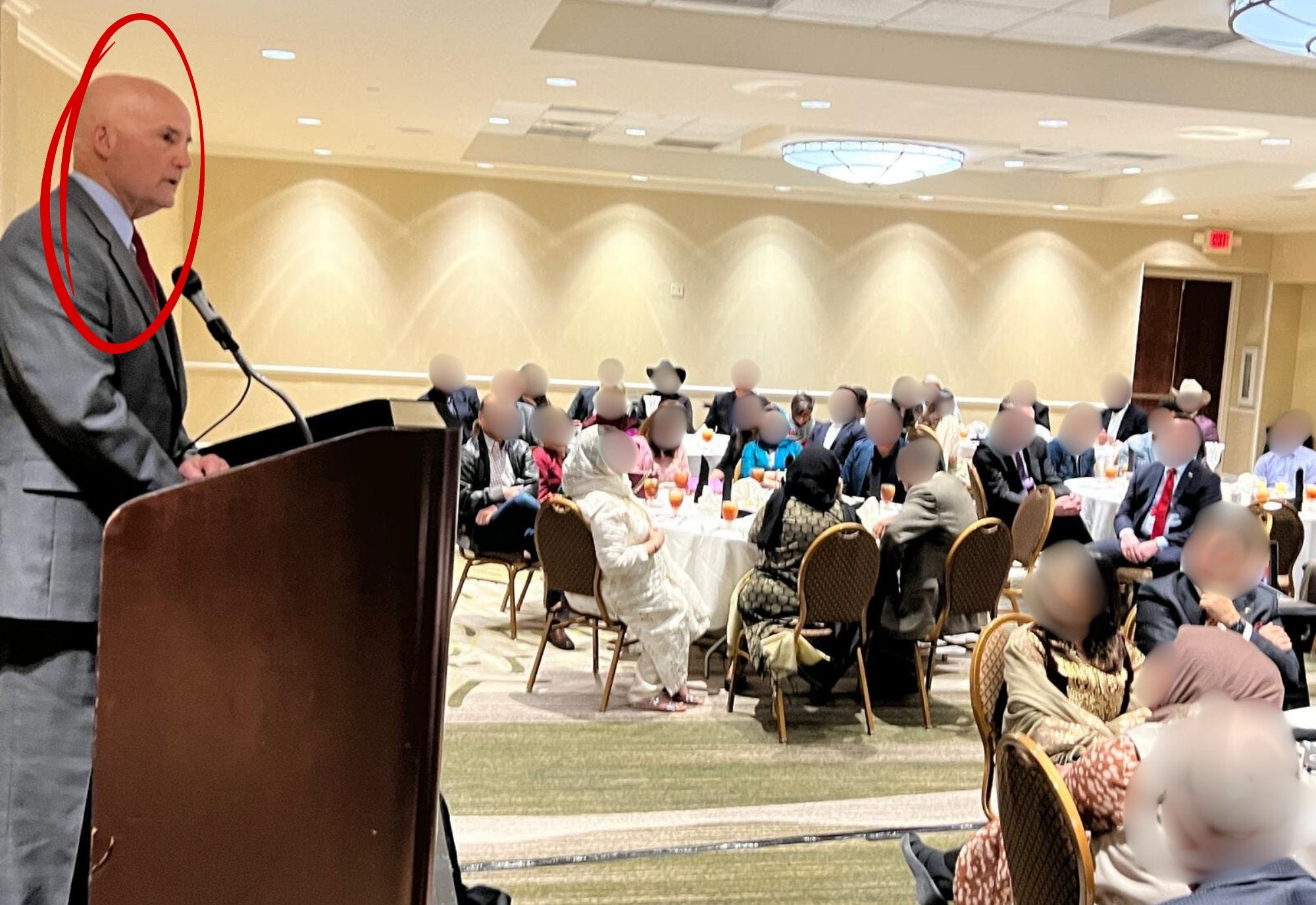
The sense of betrayal deepened after Self’s first electoral victory. Muslim leaders organized a celebratory event at the DoubleTree Hotel in Richardson, attended by Self and Republican leadership. What was once seen as outreach is now viewed as the prelude to a public reversal.
This history came into sharp focus on November 24, 2025, when Self took to the House floor and launched a direct attack on Islam and Muslims. He described Islam as “a culture with a patina of religion,” claimed it was “stuck in the 8th century,” and labeled Sharia a “culture of violence and domination.” The speech capped a national media blitz in which Self elevated Islam and Sharia as supposed national threats—even though there is not a single documented case of Sharia law being adopted by any legislative body in the United States.
Private Fundraisers, Public Attacks
Further undermining Self’s credibility are reports that, just days before his anti-Islam speech, he attended a private fundraiser with Syrian Muslim doctors in Dallas. Attendees recall a warm, familiar setting, with Self speaking fondly of his wife’s travels in Muslim-majority countries. Such fundraisers, witnesses say, were common throughout his political rise.
Meanwhile, Self has faced criticism for selective silence—waging a high-profile campaign against Islam while avoiding other pressing issues, such as the Epstein files. Opponents argue that his “Sharia crusade” serves as a convenient distraction from matters of broader accountability.
As scrutiny intensifies, critics are calling on Self to disclose the promises made during his private outreach and to clarify whether he will return campaign funds from Muslim donors he now publicly condemns.
Legal Battles and Political Rhetoric Escalate
Self is not alone in the Republican onslaught against Islam. Texas Attorney General Ken Paxton recently filed a second lawsuit aimed at blocking a large, Muslim-led residential development in North Texas, formerly known as EPIC City and now called “The Meadow.” The project, linked to the East Plano Islamic Center, includes plans for over 1,000 homes, a mosque, a K–12 faith-based school, and retail space near Josephine, Texas.
Paxton alleges that the municipal utility district (MUD) governing the land was illegally taken over by ineligible board members. The suit seeks to halt all actions by the MUD until a court rules on its legality, claiming the governance changes were designed to “evade state oversight” and facilitate the development of the Muslim-linked community.
This lawsuit adds to multiple state investigations already targeting the project and comes amid strong political rhetoric about “Sharia cities”—a term developers deny. Civil rights groups argue that the scrutiny disproportionately targets Muslims and their institutions.
The U.S. Department of Housing and Urban Development (HUD) is also investigating the development for possible violations of the Fair Housing Act, focusing on allegations of religious and national-origin discrimination. Governor Greg Abbott has publicly supported the HUD investigation, framing it as enforcement of anti-discrimination laws, while Muslim advocacy groups argue it reflects religious profiling in housing policy.
Harassment and Fear in Public Spaces
The climate of hostility is not confined to courtrooms and legislative halls. On February 16, a group of Muslim students and volunteers from Islamic Relief at the University of Texas at Dallas (IRUTD) were verbally harassed while praying during a community event in a Plano public park. A man shouted Islamophobic slurs, calling Islam a “fake religion” and telling worshippers they would “go to hell.” The confrontation, recorded on video, went viral on social media, drawing widespread condemnation. No physical violence occurred, but participants described feeling unsafe and shaken.
IRUTD released a statement urging calm and emphasizing dignity and non-confrontation. CAIR-Texas and local Muslim leaders called on elected officials and law enforcement to publicly condemn the incident and ensure safety at public prayer gatherings. Plano police have said they will investigate if a formal report is filed.
A Climate of Rising Rhetoric and Real Consequences
These events are unfolding amid heightened anti-Muslim rhetoric in Texas politics, particularly ahead of the 2026 election cycle. Several state leaders have emphasized campaigns against “Sharia law” and Muslim-led institutions—language that Muslim advocacy groups say fuels hostility and fear. Civil rights organizations warn that repeated official statements linking Islam with illegality or extremism can contribute to increased harassment, chilling effects on religious freedom, and legal battles over housing, education, and land ownership involving Muslim communities.
As of today, news about Muslims in Texas centers on three connected themes: legal and political battles over a large Muslim-linked housing development, federal and state investigations framed as fair-housing enforcement but criticized as religious targeting, and public harassment incidents reflecting rising tension and fear within Muslim communities.
.